
Why Dynamic Work Movements Require Better Foot Alignment: Essential Guide to Supportive Footwear for Plantar Fasciitis and Morton’s Neuroma
June 10, 2026
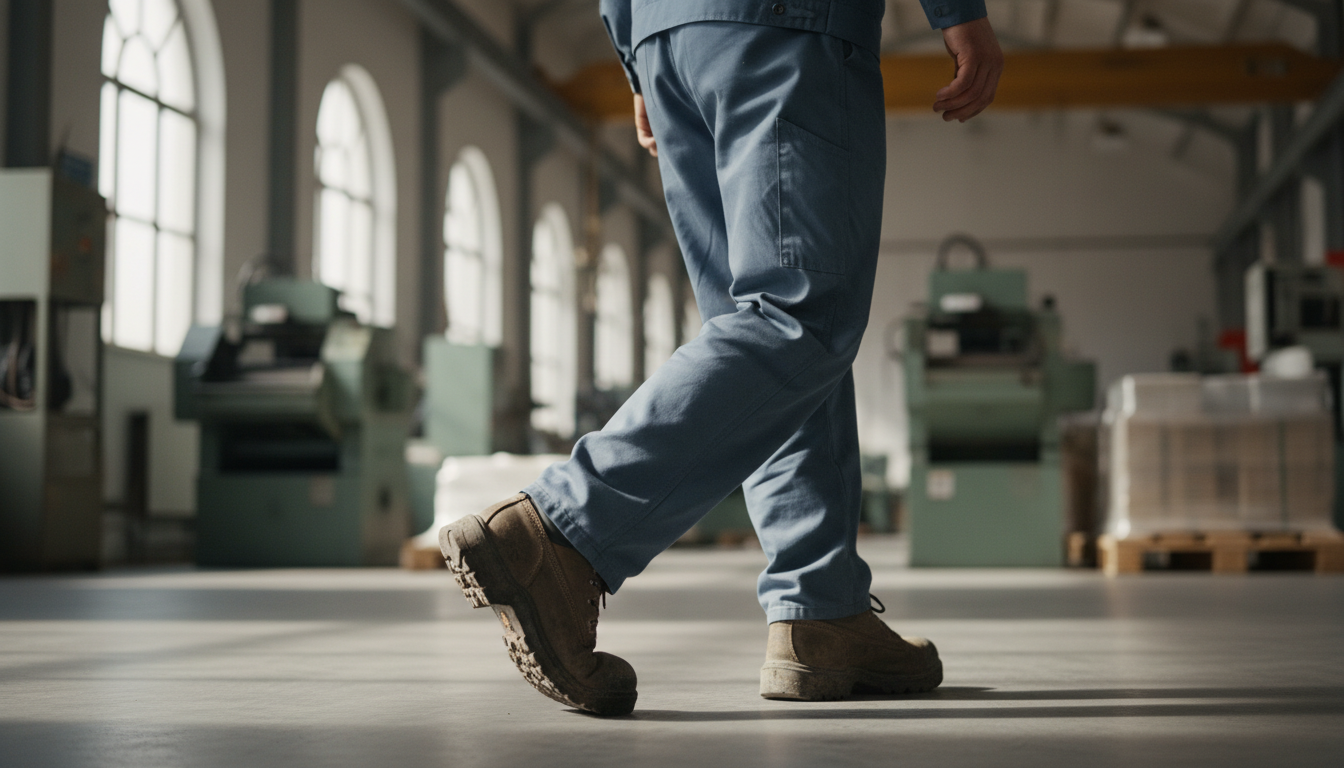
In today’s fast-paced work environments, professionals across numerous industries spend their days in constant motion—turning, pivoting, shifting, and transitioning between tasks. Whether you’re a healthcare worker navigating hospital corridors, a retail associate assisting customers throughout a store, or a restaurant server moving between tables, these dynamic work movements place extraordinary demands on your feet. What many people don’t realize is that repetitive turning and shifting motions can significantly compromise foot mechanics, leading to conditions like plantar fasciitis and Morton’s neuroma that can severely impact both work performance and quality of life.
Understanding the biomechanical relationship between dynamic movements and foot alignment is crucial for preventing chronic pain and maintaining long-term foot health. This comprehensive guide explores how constant motion affects your feet and provides evidence-based solutions for protecting your body’s foundation through proper footwear, custom orthotics, and strategic foot support.
The Biomechanics of Dynamic Work Movements
Dynamic work movements involve more than simple forward walking. Each time you turn, pivot, or shift your weight, your feet absorb forces from multiple angles and directions. These complex movements create rotational stress on the plantar fascia—the thick band of tissue connecting your heel to your toes—and place pressure on the metatarsal bones where Morton’s neuroma commonly develops.
During a typical eight-hour shift involving frequent directional changes, your feet may experience thousands of these dynamic movements. Each pivot creates torsional forces that can strain the arch, compress nerve tissues, and destabilize the natural alignment of your foot structure. Over time, this repetitive stress leads to inflammation, tissue damage, and compensatory movement patterns that further exacerbate the problem.
The impact is particularly pronounced for individuals whose work requires them to carry items, reach in different directions, or maintain awkward postures while moving. These additional factors multiply the stress on foot structures, making proper alignment and support not just beneficial but essential for injury prevention.
How Constant Turning Impacts Foot Mechanics
Turning movements create unique challenges for foot health because they involve simultaneous weight transfer and directional change. When you pivot on one foot, the pressure distribution across your plantar surface becomes uneven, concentrating force on specific areas rather than distributing it evenly across the entire foot.
This concentrated pressure has several problematic effects on foot mechanics:
- Arch collapse: The medial longitudinal arch flattens under rotational stress, stretching the plantar fascia beyond its optimal length and creating microtears in the tissue
- Heel instability: The calcaneus (heel bone) tilts inward or outward during turns, disrupting the neutral alignment necessary for proper shock absorption
- Forefoot compression: Turning movements squeeze the metatarsal bones together, irritating the interdigital nerves and contributing to Morton’s neuroma development
- Toe grip compensation: In unstable footwear, your toes reflexively grip to maintain balance during turns, creating additional tension throughout the foot
Research indicates that individuals who perform frequent turning movements without adequate foot support are significantly more likely to develop heel pain, arch strain, and neuromas compared to those whose work involves primarily straight-line walking. The best shoes for plantar fasciitis and comfortable shoes for morton’s neuroma are specifically engineered to counteract these rotational forces through strategic design features.
Shifting Movements and Their Effect on Foot Alignment
Weight shifting—the transfer of body weight from one foot to another or from heel to toe—occurs continuously throughout dynamic work activities. Each shift requires your foot to transition through various phases of the gait cycle, often in rapid succession and sometimes in incomplete patterns that don’t allow for natural biomechanical progression.
When shifting movements occur repeatedly without proper foot alignment, several problematic patterns emerge. The plantar fascia experiences inconsistent tension that prevents it from maintaining its spring-like function, leading to the chronic inflammation characteristic of plantar fasciitis. The heel fat pad, which normally cushions impact forces, becomes compressed and loses its protective capacity, resulting in sharp heel pain that worsens throughout the workday.
For individuals with Morton’s neuroma, shifting movements that concentrate pressure on the forefoot can be particularly painful. The interdigital nerve becomes compressed between the metatarsal heads with each weight transfer, creating the burning or shooting pain that defines this condition. Finding the best shoes for morton’s neuroma becomes critical for managing symptoms and preventing progression.
The Role of Custom Orthotics in Supporting Dynamic Movement
While supportive footwear for plantar fasciitis provides an essential foundation, custom orthotics offer personalized biomechanical correction that addresses your specific foot structure and movement patterns. Unlike generic insoles, custom orthotics are designed based on detailed assessment of your foot anatomy, gait characteristics, and the specific demands of your work environment.
Custom orthotics support dynamic work movements through several mechanisms:
- Arch stabilization: By supporting the medial longitudinal arch in its optimal position, custom orthotics prevent excessive flattening during turns and weight shifts, protecting the plantar fascia from overstretching
- Heel cradle design: Deep heel cups in custom orthotics maintain calcaneal alignment, reducing the wobbling motion that contributes to instability during directional changes
- Metatarsal support: Strategic padding and contouring behind the metatarsal heads relieves pressure on interdigital nerves, providing relief for Morton’s neuroma while supporting forefoot function
- Motion control features: Custom orthotics can include posting and wedging that guides your foot through proper movement patterns, reducing compensatory motions that lead to injury
- Shock absorption: High-quality materials in custom orthotics dissipate impact forces more effectively than shoe cushioning alone, protecting your feet during repetitive movements
If you’re experiencing foot pain related to your work movements, searching for “custom orthotics near me” or “orthotics near me” can connect you with qualified practitioners who can assess your needs and create personalized foot support solutions. Many people find that custom orthotics, combined with appropriate footwear, provide comprehensive relief that allows them to work comfortably throughout their shifts.
Selecting the Best Walking Shoes for Plantar Fasciitis in Dynamic Work Environments
The best walking shoes for plantar fasciitis must meet specific criteria to support dynamic work movements effectively. Standard athletic shoes often lack the stability features necessary for constant turning and shifting, while fashion-oriented work shoes typically sacrifice support for appearance.
When evaluating plantar fasciitis footwear for dynamic work environments, prioritize these essential features:
A firm heel counter that resists deformation when you press on it from the sides ensures your heel remains stable during turns. This structure prevents excessive motion that strains the plantar fascia attachment point at the calcaneus. The best shoes for plantar fasciitis incorporate rigid or semi-rigid heel counters that provide control without creating pressure points.
Adequate arch support that matches your foot type maintains proper alignment throughout dynamic movements. Shoes with built-in arch support reduce the demand on your plantar fascia by sharing the load-bearing responsibilities, particularly important during the extended periods of standing and walking common in active work environments.
A slightly elevated heel (between 1-2 inches) reduces tension on the Achilles tendon and plantar fascia by changing the angle of ankle dorsiflexion. This design feature in heel pain support shoes and heel spur support shoes can significantly decrease morning pain and post-work discomfort.
Sufficient toe box width and depth prevents compression of the forefoot structures, essential for anyone dealing with Morton’s neuroma. The best shoes for morton’s neuroma and wide shoes for morton’s neuroma provide generous space that allows your toes to spread naturally, reducing pressure on sensitive nerve tissues between the metatarsal heads.
For those seeking immediate relief and enhanced support, consider exploring high-performance orthotic insoles designed specifically for dynamic work environments. These specialized inserts can transform existing work shoes into therapeutic footwear that supports proper alignment during all types of movement.
Practical Strategies for Maintaining Foot Alignment During Work
Beyond footwear selection, several practical strategies can help maintain proper foot alignment during dynamic work activities. Implementing these approaches alongside the best slippers for plantar fasciitis for home recovery can create a comprehensive foot health program.
Conscious movement patterns make a significant difference in reducing foot stress. When possible, pivot on both feet rather than twisting on a single foot, distribute the rotational forces more evenly. Take smaller, more controlled steps during turns instead of large, sweeping pivots that create excessive torsional stress. Position your body to minimize the number of turns required by organizing your workspace efficiently.
Regular foot positioning checks throughout your shift help maintain awareness of alignment. Periodically assess whether your weight is evenly distributed across both feet, your arches are lifted rather than collapsed, and your toes are relaxed rather than gripping. These brief self-assessments can interrupt problematic movement patterns before they become habitual.
Micro-breaks for foot relief, even just 30-60 seconds every hour, allow tissues to recover from sustained stress. During these breaks, perform gentle ankle circles, toe stretches, or calf raises to promote circulation and reduce tension. If your workplace allows, elevating your feet briefly can reduce inflammation and provide additional relief.
Conclusion: Protecting Your Feet in Dynamic Work Environments
The constant turning and shifting movements inherent in many occupations create significant challenges for foot mechanics, making proper alignment essential for preventing conditions like plantar fasciitis and Morton’s neuroma. Understanding how dynamic work movements impact your feet empowers you to make informed decisions about footwear, orthotics, and movement strategies that protect your body’s foundation.
Investing in supportive footwear for plantar fasciitis, comfortable shoes for morton’s neuroma, and custom orthotics isn’t simply about comfort—it’s about preserving your ability to work effectively and maintain your quality of life. The repetitive stress of dynamic work movements compounds over time, making prevention and early intervention far more effective than addressing advanced foot problems after they’ve become debilitating.
Whether you’re searching for the best shoes for plantar fasciitis, wide shoes for morton’s neuroma, or custom orthotics near me, prioritize solutions that address the specific biomechanical demands of your work environment. Your feet carry you through thousands of dynamic movements each day—they deserve the support necessary to perform this remarkable feat without pain or injury.
By combining appropriate footwear, personalized orthotics when needed, and conscious movement strategies, you can maintain healthy foot alignment despite the challenges of dynamic work movements. The investment you make in foot health today will pay dividends in comfort, productivity, and long-term musculoskeletal wellness throughout your career and beyond.