
Why Soft Cushioning in Gel Insoles and Memory Foam Insoles Helps Reduce Daily Foot Pressure
May 29, 2026
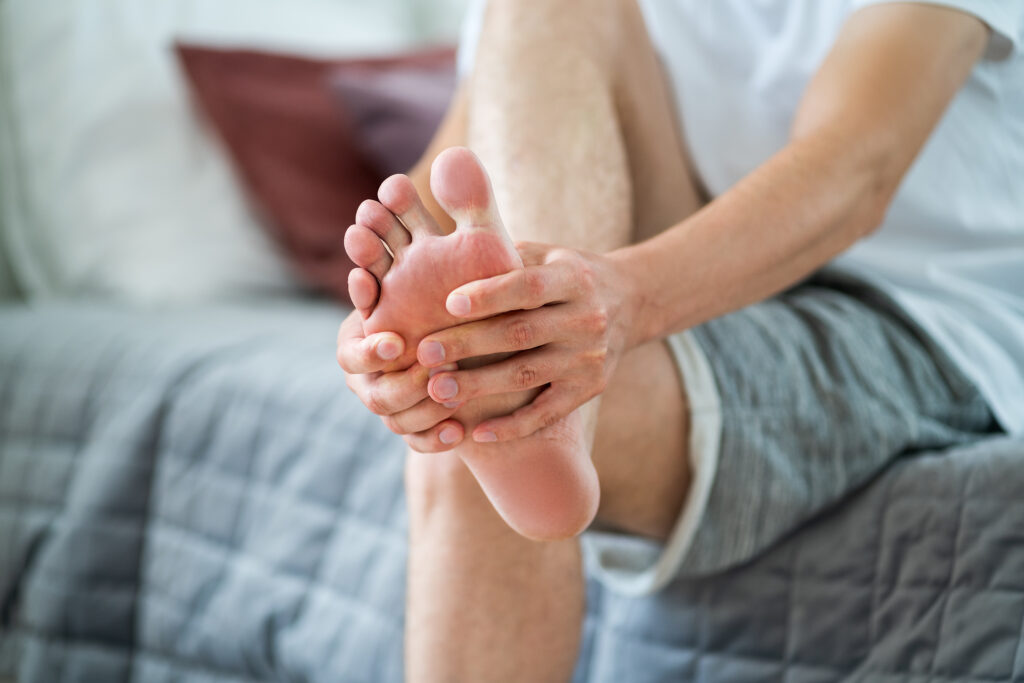
Every day, your feet endure tremendous stress. Whether you’re walking to work, standing for extended periods, or simply going about daily activities, pressure builds up on various points of your feet. Over time, this accumulated pressure can lead to discomfort, pain, and even chronic conditions. The solution lies in understanding how adaptive cushioning technology—found in products like move insoles, gelactiv insoles, and memory foam insoles—can transform your daily comfort and foot health.
This comprehensive guide explores the science behind soft cushioning, how it minimizes pressure buildup, and why choosing the right insoles with heel support and adaptive gel technology can make a significant difference in your quality of life. By the end of this article, you’ll understand exactly why soft cushioning is not just a luxury but a necessity for maintaining healthy, pain-free feet.
Understanding Foot Pressure and Its Daily Impact
The human foot contains 26 bones, 33 joints, and over 100 muscles, tendons, and ligaments. With every step you take, your feet absorb forces equivalent to 1.5 times your body weight during walking and up to 3-4 times during running. Throughout an average day, most people take between 5,000 and 10,000 steps, meaning your feet are constantly managing significant mechanical stress.
Pressure points develop when this force concentrates on specific areas rather than distributing evenly across the foot’s surface. The heel, ball of the foot, and arch are particularly vulnerable. Without proper cushioning, these pressure points can lead to various complications including plantar fasciitis, metatarsalgia, heel spurs, and general foot fatigue.
Traditional footwear often lacks adequate cushioning or uses materials that compress quickly and lose their supportive properties. This is where specialized gel insoles and memory foam insoles become essential tools for pressure reduction and long-term foot health.
The Science Behind Adaptive Cushioning Technology
Adaptive cushioning works through a combination of material science and biomechanical engineering. Unlike rigid or thin insole materials, soft cushioning technologies like those found in gelactiv insoles and fp insoles respond dynamically to the unique contours of your feet and your movement patterns.
Memory foam insoles, for example, utilize viscoelastic polyurethane foam that softens in response to body heat and pressure. This allows the material to mold precisely to your foot’s shape, creating a custom fit that distributes weight evenly across the entire surface. When pressure is applied, the foam compresses and spreads the force laterally rather than allowing it to concentrate on a single point.
Gel-based systems in gelactiv insoles work through a different but equally effective mechanism. The gel material absorbs shock by converting kinetic energy into heat, which dissipates harmlessly. This shock absorption happens in milliseconds with each footfall, protecting your feet, ankles, knees, and even your lower back from repetitive impact stress.
Key Benefits of Soft Cushioning for Pressure Reduction
The advantages of using properly designed move insoles or insoles with heel support extend far beyond simple comfort. Here are the primary benefits you can expect:
- Even pressure distribution: Soft cushioning spreads your body weight across a larger surface area, preventing hotspots that lead to pain and calluses
- Shock absorption: Each step’s impact is significantly reduced, protecting joints and reducing fatigue
- Improved circulation: By eliminating pressure points, blood flow to the feet improves, reducing numbness and swelling
- Enhanced stability: Quality cushioning provides a stable base that improves balance and reduces fall risk
- Reduced inflammation: Less pressure means less tissue irritation, helping to prevent or alleviate inflammatory conditions
- All-day comfort: Adaptive materials maintain their supportive properties throughout extended wear periods
How Different Cushioning Materials Address Specific Pressure Points
Not all cushioning materials perform identically, and understanding these differences helps you choose the right solution for your needs. Memory foam insoles excel at conforming to individual foot shapes and providing consistent, personalized support. They’re particularly effective for people who spend long hours standing, as the material doesn’t bottom out quickly.
Gel insoles, particularly gelactiv insoles, offer superior shock absorption and are ideal for high-impact activities or individuals with joint concerns. The gel’s ability to rapidly absorb and disperse energy makes it excellent for reducing heel strike impact during walking or running.
Many advanced products combine these technologies. Insoles with heel cushioning may feature gel pads specifically positioned under the heel where impact forces are greatest, while using memory foam in the midfoot and forefoot regions for contouring support. This hybrid approach maximizes the benefits of each material type.
FP insoles often incorporate anatomically designed arch support alongside soft cushioning, addressing both pressure reduction and structural alignment. This comprehensive approach helps correct biomechanical issues that contribute to uneven pressure distribution in the first place.
The Role of Heel Cushioning in Overall Pressure Management
The heel absorbs the initial impact of each step, making it one of the most pressure-vulnerable areas of the foot. Insoles with heel support specifically address this critical zone with targeted cushioning that protects the calcaneus (heel bone) and surrounding soft tissues.
Effective heel cushioning performs several functions simultaneously. It absorbs vertical impact forces, stabilizes the heel during the foot’s natural rolling motion, and cradles the heel cup to prevent lateral movement that can cause blisters or instability. Quality move insoles incorporate contoured heel cups with enhanced cushioning depth to provide this comprehensive protection.
For individuals dealing with conditions like plantar fasciitis or Achilles tendinitis, proper heel cushioning is not optional—it’s therapeutic. The right cushioning reduces strain on the plantar fascia and Achilles tendon by absorbing shock that would otherwise transfer directly to these structures.
Selecting the Right Cushioned Insoles for Your Lifestyle
Choosing appropriate cushioned insoles depends on your specific activities, foot characteristics, and any existing conditions. Consider these factors when making your selection:
- Activity level: High-impact activities benefit most from gel-based shock absorption, while standing occupations favor memory foam’s sustained support
- Foot arch type: High arches require more cushioning to fill the gap, while flat feet need supportive cushioning that prevents overpronation
- Shoe type compatibility: Ensure your chosen insoles fit properly in your footwear without creating tightness or bulk
- Weight considerations: Heavier individuals may need denser cushioning materials that resist compression over time
- Climate and moisture: Some cushioning materials manage moisture better than others—important for all-day wear comfort
- Specific pain points: Target your primary discomfort areas with insoles designed to address those zones
For those seeking a comprehensive solution that combines advanced memory foam technology with targeted cushioning zones, explore these highly-rated memory foam shoe inserts designed for maximum comfort and pressure relief. These insoles feature adaptive cushioning that responds to your unique foot shape while providing the shock absorption necessary for all-day wear.
Maintaining Your Cushioned Insoles for Long-Term Effectiveness
Even the highest-quality gel insoles and memory foam insoles require proper care to maintain their pressure-reducing properties over time. Most cushioned insoles should be replaced every 6-12 months depending on usage intensity, as the materials naturally compress and lose effectiveness with repeated stress cycles.
Regular cleaning helps preserve material integrity. Most insoles can be spot-cleaned with mild soap and air-dried away from direct heat sources. Avoid machine washing unless specifically indicated by the manufacturer, as this can damage the cushioning structure. Rotating between multiple pairs of insoles allows each set to fully decompress between uses, extending their functional lifespan.
Monitor your insoles for signs of wear such as visible compression, uneven breakdown, or loss of the original shape. These indicators signal it’s time for replacement to ensure you continue receiving optimal pressure reduction and support.
Conclusion: Investing in Foot Health Through Proper Cushioning
The importance of soft cushioning in reducing daily foot pressure cannot be overstated. Whether you choose move insoles, gelactiv insoles, memory foam insoles, or specialized insoles with heel support, investing in quality cushioning is investing in your overall health and quality of life. The feet serve as the foundation for your entire body, and protecting them from excessive pressure prevents a cascade of potential problems affecting your ankles, knees, hips, and back.
Adaptive cushioning technology has advanced significantly, offering solutions that go far beyond basic comfort. Today’s fp insoles and gel insoles incorporate sophisticated materials science to provide targeted pressure relief exactly where your feet need it most. By understanding how these technologies work and selecting products matched to your specific needs, you can dramatically reduce foot fatigue, prevent pain, and maintain mobility throughout your life.
Don’t wait until foot pain becomes chronic to take action. Implementing proper cushioning now protects your feet from cumulative damage and ensures you can continue enjoying all the activities you love. Your feet carry you through life—give them the support they deserve with cushioning that truly makes a difference.