
Why Foot Control Matters in High-Intensity Training: The Key to Performance and Injury Prevention
May 27, 2026
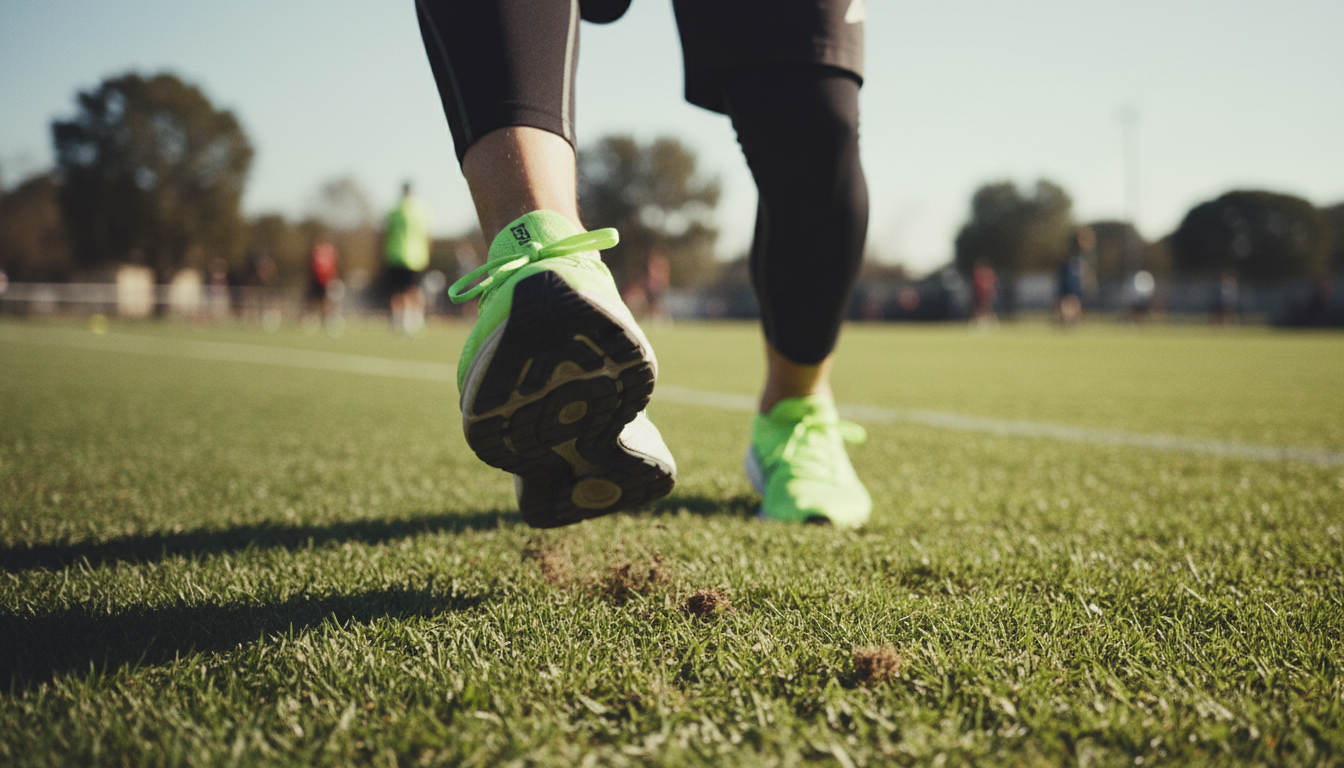
High-intensity training has become a cornerstone of modern fitness routines, from CrossFit and HIIT classes to competitive sports like soccer and pickleball. While enthusiasts focus on building strength, endurance, and speed, one critical element often goes overlooked: foot control. The way your feet move, stabilize, and absorb impact during explosive movements can make the difference between peak performance and debilitating injury.
Whether you’re sprinting, jumping, pivoting, or landing from a box jump, your feet serve as the foundation for every movement. Poor foot control doesn’t just limit your athletic potential—it significantly increases your risk of common injuries and chronic conditions like plantar fasciitis, neuropathy, and stress fractures. Understanding why foot control matters and how to optimize it can transform your training outcomes and keep you active for years to come.
This comprehensive guide explores the biomechanics of foot control, its impact on high-intensity performance, and practical strategies to enhance stability, reduce pain, and prevent injury during your most challenging workouts.
The Biomechanics of Foot Control During High-Intensity Workouts
Your feet contain 26 bones, 33 joints, and over 100 muscles, tendons, and ligaments working in harmony to support your entire body weight. During high-intensity training, these structures face forces up to three to five times your body weight with each landing or directional change. Proper foot control involves the coordinated activation of these components to maintain stability, absorb shock, and propel movement efficiently.
When you perform explosive movements like burpees, plyometric jumps, or quick lateral cuts common in soccer and pickleball, your feet must rapidly transition between different phases of the gait cycle. This requires precise timing of pronation (inward rolling) and supination (outward rolling) to distribute forces evenly across the foot’s structure. Without adequate control, certain areas become overloaded, leading to tissue breakdown and injury.
Athletes with poor foot control often exhibit collapsed arches, excessive pronation, or rigid supination patterns. These compensatory movements travel up the kinetic chain, affecting ankle stability, knee alignment, and even hip and lower back mechanics. The result is not only reduced performance but also increased vulnerability to both acute injuries and overuse conditions.
Common Injuries Linked to Poor Foot Control in Fast-Paced Training
Understanding the connection between foot control and injury is essential for anyone engaged in high-intensity workouts. Several common conditions directly stem from inadequate foot stability and movement patterns during demanding exercises.
Plantar fasciitis remains one of the most prevalent complaints among athletes and fitness enthusiasts. This condition involves inflammation of the thick band of tissue running along the bottom of your foot. During high-impact activities, poor foot control causes excessive stress on the plantar fascia, leading to micro-tears and chronic heel pain. Men particularly experience this condition due to higher training volumes and body weight, making it crucial to seek out the best shoes for plantar fasciitis men can rely on during intense sessions.
Soccer sports injuries frequently involve the feet and ankles due to the sport’s demands for rapid acceleration, deceleration, and multidirectional movement. Without proper foot control, players experience increased rates of ankle sprains, metatarsal stress fractures, and Achilles tendinopathy. These soccer injuries can sideline athletes for weeks or months, significantly impacting performance and team dynamics.
Neuropathy, or nerve damage in the feet, can both cause and result from poor foot control. Athletes with existing neuropathy lose proprioception—the ability to sense foot position and movement—making controlled landings and precise footwork nearly impossible. This creates a vicious cycle where compromised control leads to further damage. Wearing appropriate shoes for neuropathy helps provide the sensory feedback and protection these athletes need.
In sports like pickleball, where quick reactions and lateral movements dominate play, foot control becomes even more critical. Interestingly, a rally ends when one team faults in pickleball, and many faults occur due to poor positioning—often rooted in inadequate foot control that prevents players from reaching the ball or maintaining balance during returns.
How Proper Foot Control Enhances Athletic Performance
Beyond injury prevention, optimizing foot control directly improves your training results. When your feet move efficiently and maintain proper alignment, your body can generate more power, move faster, and sustain high-intensity efforts longer.
Here are the key performance benefits of superior foot control:
- Enhanced force production: Stable feet create a solid platform for power transfer from the ground through your legs and core, maximizing the effectiveness of every jump, sprint, and lift.
- Improved agility: Controlled foot movements allow for quicker directional changes without energy leaks or balance corrections that slow you down.
- Better endurance: Efficient foot mechanics reduce unnecessary muscle activation, conserving energy during long training sessions or competitions.
- Increased proprioception: Well-controlled feet provide better feedback about body position, improving coordination and movement quality across all exercises.
- Reduced compensatory patterns: When your feet function properly, the rest of your kinetic chain can work as designed, preventing overuse of other joints and muscles.
Athletes who prioritize foot control consistently report feeling more grounded, balanced, and confident during challenging movements. This psychological benefit shouldn’t be underestimated—knowing your foundation is solid allows you to push harder without fear of injury or instability.
Essential Features of Footwear for High-Intensity Training
While strengthening exercises and technique work are vital, the shoes you wear during high-intensity training play an equally important role in foot control. The right footwear provides the structural support, cushioning, and stability your feet need to perform optimally under stress.
When selecting sneakers for plantar fasciitis or other foot conditions, consider these critical features:
- Arch support: Proper arch support prevents excessive pronation and distributes pressure evenly across the foot. The best arch support shoes for plantar fasciitis incorporate contoured footbeds that match your foot’s natural curve while providing firm support.
- Heel cushioning: Adequate cushioning absorbs impact forces during landings and reduces stress on the heel and plantar fascia. Look for materials that provide both shock absorption and energy return.
- Midfoot stability: A secure midfoot prevents excessive internal rotation and keeps your foot aligned during lateral movements. This feature is especially important for court sports and agility training.
- Toe box space: Comfortable shoes for toe pain feature roomy toe boxes that allow natural toe splay during push-off phases. Cramped toes cannot provide proper balance and control.
- Flexible forefoot: While stability is important, shoes should still allow natural flexion at the ball of the foot to facilitate smooth gait transitions and powerful propulsion.
For athletes dealing with foot pain, investing in supportive shoes for foot pain specifically designed for athletic activities can dramatically improve both comfort and performance. The right shoes work synergistically with your foot’s natural biomechanics rather than fighting against them.
The Role of Insoles in Optimizing Foot Control
Even the best athletic shoes can benefit from high-quality insoles designed to enhance foot control during demanding workouts. Performance insoles provide customized support, superior shock absorption, and improved proprioceptive feedback that stock insoles simply cannot match.
For high-intensity training, shock-absorbing insoles with proper arch support and cushioning can transform your workout experience. These specialized inserts reduce peak impact forces, stabilize foot motion, and alleviate pressure on vulnerable areas like the heels and forefoot. Athletes recovering from or preventing plantar fasciitis shoes for men should particularly consider upgrading their insoles for maximum protection.
Quality insoles also improve the fit of your shoes, reducing internal slippage that compromises control during quick movements. This secure fit enhances your connection to the ground, allowing for more precise footwork and confident execution of complex movement patterns.
If you’re serious about protecting your feet and maximizing performance during high-intensity training, consider investing in premium sport shock-absorbing insoles with advanced cushioning technology designed specifically for athletes who demand the most from their feet.
Practical Strategies to Improve Foot Control for High-Intensity Training
Developing superior foot control requires a multifaceted approach combining strength training, mobility work, and mindful movement practice. Incorporating these strategies into your routine will pay dividends in both performance and injury prevention.
Start with targeted foot and ankle strengthening exercises. Toe curls, towel scrunches, and resistance band work for ankle dorsiflexion and plantarflexion build the intrinsic foot muscles responsible for dynamic stability. Single-leg balance exercises challenge your proprioceptive systems and improve control during unstable positions.
Mobility work is equally important. Tight calves, restricted ankle dorsiflexion, and limited toe extension all compromise foot control. Daily stretching of the calves, plantar fascia, and toe flexors maintains the range of motion necessary for optimal movement patterns during high-intensity activities.
Practice barefoot training in controlled environments to enhance proprioception and strengthen foot muscles naturally. Short sessions of barefoot warm-ups or low-impact exercises on safe surfaces help your feet remember how to move without excessive reliance on shoe support.
Finally, focus on landing mechanics during plyometric exercises. Cue yourself to land softly with your weight distributed across the entire foot, avoiding heavy heel strikes or excessive forefoot loading. Video analysis can reveal compensation patterns you might not feel, allowing for targeted corrections.
Conclusion: Building a Strong Foundation for Long-Term Athletic Success
Foot control represents the often-neglected foundation of high-intensity training success. While it’s easy to focus on visible muscles, cardiovascular capacity, or technical skills, the complex mechanics occurring in your feet with every movement ultimately determine how well you perform and how long you stay injury-free.
By understanding the biomechanics of foot control, recognizing common injury patterns, and implementing strategies to enhance stability and movement quality, you can dramatically improve your training outcomes. Whether you’re battling plantar fasciitis, recovering from soccer injuries, or simply want to maximize your performance during intense workouts, prioritizing foot health and control should be non-negotiable.
Invest in appropriate footwear—seeking out the best shoe for plantar fasciitis or shoes for plantar fasciitis that match your specific needs and training style. Complement quality shoes with performance-enhancing insoles that provide the support and shock absorption your feet need during demanding activities. Most importantly, dedicate time to strengthening and mobility work that builds resilient, responsive feet capable of handling whatever challenges your training throws at them.
Your feet carry you through every workout, every competition, and every training cycle. Give them the attention, support, and care they deserve, and they’ll reward you with improved performance, reduced pain, and the confidence to push your limits safely. The journey to peak athletic performance truly begins from the ground up.