
How Foot Support Helps Prevent Discomfort on Hard Surfaces: Your Complete Guide to Pain-Free Walking
May 14, 2026
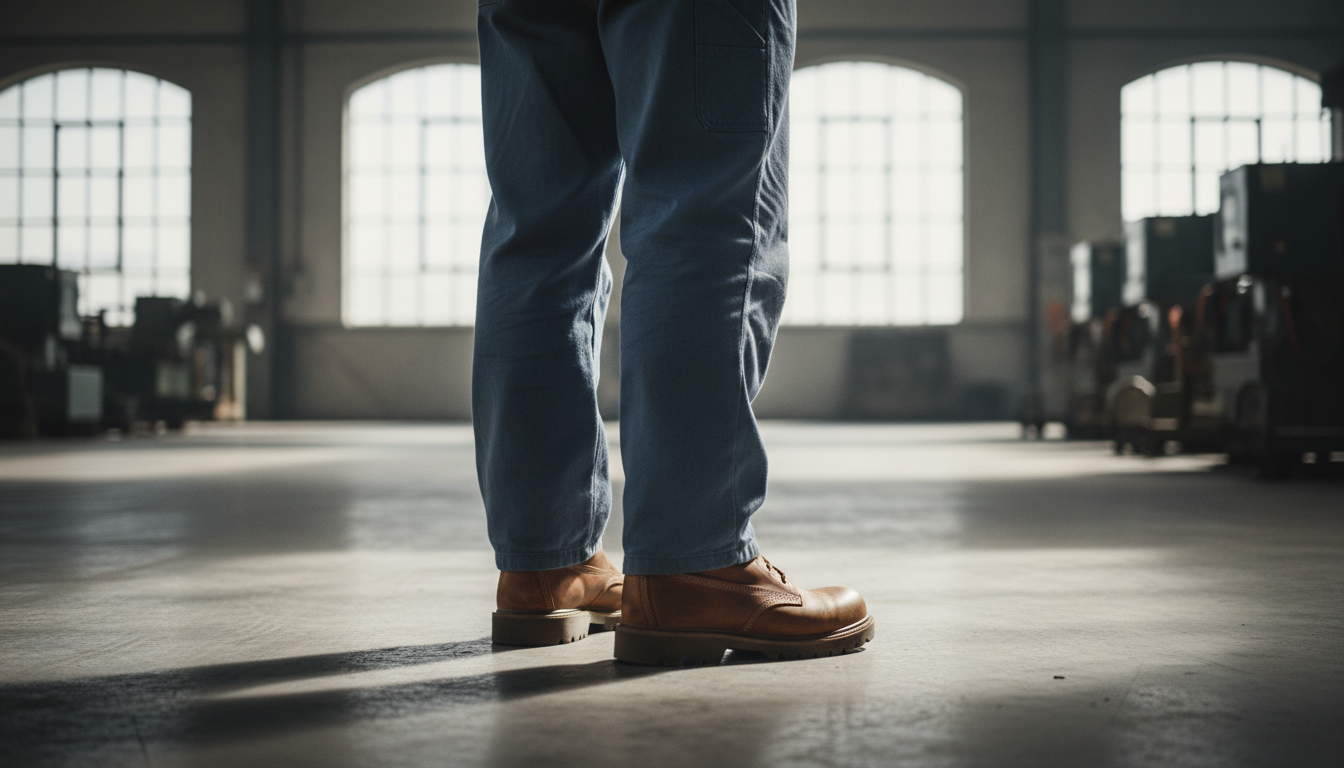
Walking on hard surfaces day after day can take a serious toll on your feet, legs, and back. Whether you work in retail, healthcare, construction, or simply spend long hours on concrete or tile floors, the lack of cushioning and shock absorption can lead to various forms of discomfort. From pain in ball of foot when walking to chronic ankle pain, the consequences of inadequate foot support are both common and preventable.
Understanding how proper foot support works and why it matters is essential for anyone who spends significant time on hard flooring. This comprehensive guide explores the science behind foot support, the problems caused by hard surfaces, and practical solutions to keep you comfortable throughout your day.
Why Hard Surfaces Create Foot Discomfort
Hard surfaces like concrete, tile, and hardwood offer virtually no natural cushioning or give when your foot strikes the ground. Every step creates an impact force that travels through your feet, ankles, knees, hips, and spine. Without proper support, this repetitive impact can cause immediate discomfort and long-term health issues.
The human foot contains 26 bones, 33 joints, and over 100 muscles, tendons, and ligaments. This complex structure is designed to absorb shock, but it needs help when walking on unforgiving surfaces. When the foot’s natural shock absorption system becomes overwhelmed, problems develop in multiple areas including the forefoot, arches, heels, and ankles.
People with existing conditions face even greater challenges. Those searching for the best plantar fasciitis shoes or the best shoes for neuropathy understand firsthand how hard surfaces amplify pain and discomfort. Similarly, individuals experiencing the best shoes for back pain often discover that their foot support directly impacts their spinal health.
Understanding Pronation and Overpronation on Hard Floors
One critical factor in foot discomfort is pronation and overpronation. Pronation refers to the natural inward roll of the foot during walking or running. It’s a normal part of your gait cycle that helps absorb shock. However, overpronation occurs when the foot rolls inward excessively, causing improper weight distribution and alignment issues.
Hard surfaces exacerbate overpronation problems because there’s no soft material to accommodate the foot’s natural movement. This can lead to a cascade of issues including arch collapse, ankle pain, knee stress, and even hip problems. Proper foot support with structured insoles helps control excessive pronation and maintains proper alignment throughout your stride.
For those wondering how tight should trail shoes be or preparing for activities like recovery trekking, understanding your pronation pattern becomes even more important. The right support system adapts to your specific biomechanics while providing the cushioning needed for extended periods on hard terrain.
Common Problems Caused by Inadequate Foot Support
Walking on hard surfaces without proper support creates numerous issues that affect your quality of life. Recognizing these problems is the first step toward finding effective solutions.
- Plantar Fasciitis: Inflammation of the thick band of tissue running across the bottom of your foot, causing sharp heel pain
- Metatarsalgia: Pain and inflammation in the ball of the foot, making each step uncomfortable
- Heel Spurs: Calcium deposits that develop from repetitive stress, creating stabbing pain
- Achilles Tendonitis: Inflammation of the tendon connecting your calf muscles to your heel
- General Fatigue: Overall exhaustion from your body working overtime to compensate for poor support
- Back and Knee Pain: Misalignment issues that radiate upward through your kinetic chain
These conditions don’t develop overnight. They result from cumulative stress that builds over weeks, months, or years of walking on hard surfaces. The good news is that structured insoles and proper footwear can prevent most of these problems before they begin.
How Structured Insoles Reduce Foot Stress
Structured insoles work by providing targeted support to key areas of your foot while adding cushioning to absorb impact. Unlike flat, generic insoles, structured orthotics are designed with specific features that address the biomechanical needs of your feet.
The arch support component is crucial for distributing weight evenly across your foot. When your arch receives proper support, it prevents collapse and maintains the foot’s natural alignment. This is particularly important for those dealing with pain in ball of foot when walking, as proper arch support reduces pressure on the forefoot area.
Deep heel cups are another essential feature. They cradle your heel, providing stability and positioning your foot correctly within your shoe. This alignment helps prevent ankle pain by ensuring proper joint positioning throughout your gait cycle. For activities ranging from everyday work to recovery trekking, this stability makes a significant difference in comfort and endurance.
Key Benefits of Quality Foot Support Systems
Investing in proper foot support delivers numerous advantages that extend far beyond simple comfort. Here are the primary benefits you can expect:
- Shock Absorption: Quality insoles cushion each step, significantly reducing the impact forces that travel through your body when walking on hard surfaces.
- Improved Alignment: Proper support corrects biomechanical issues, helping your feet, ankles, knees, and hips maintain optimal positioning during movement.
- Pressure Distribution: Structured insoles spread your body weight more evenly across your entire foot, eliminating painful pressure points and hot spots.
- Reduced Fatigue: When your feet receive adequate support, your muscles don’t have to work as hard to maintain stability, leaving you feeling more energized throughout the day.
- Prevention of Chronic Conditions: Addressing support issues early helps prevent the development of plantar fasciitis, heel spurs, and other painful conditions.
- Enhanced Performance: Whether you’re asking what is a turkey trot or planning hiking sustainability practices, proper support improves your ability to participate in physical activities.
Choosing the Right Support for Your Needs
Not all insoles are created equal, and finding the right support system requires understanding your specific needs. Consider factors such as your foot type, activity level, existing conditions, and the types of surfaces you encounter daily.
For those working long shifts on concrete floors, look for insoles with maximum cushioning and shock absorption. People dealing with specific conditions should seek products designed to address their particular issues—whether that means searching for the best shoes for neuropathy with extra cushioning or the best plantar fasciitis shoes with enhanced arch support.
If you’re experiencing ankle pain or issues related to pronation and overpronation, structured insoles with firm arch support and stability features are essential. For those interested in activities requiring specialized footwear, such as asking how tight should trail shoes be for optimal performance, remember that proper insoles should complement your footwear choice, not compensate for poor shoe selection.
To experience professional-grade comfort and support designed specifically for hard surfaces, explore these work comfort orthotic insoles that provide the structured support your feet need throughout demanding days.
Practical Tips for Maximizing Foot Comfort
While quality insoles form the foundation of foot comfort, several complementary strategies can enhance their effectiveness. Start by ensuring your shoes fit properly with adequate room in the toe box. Shoes that are too tight compress your feet and negate the benefits of even the best insoles.
Replace your insoles regularly, as cushioning materials compress and lose effectiveness over time. Most quality insoles should be replaced every six to twelve months depending on usage intensity. If you’re on your feet all day or engage in regular physical activity, you may need replacements more frequently.
Consider having multiple pairs of insoles if you use different types of footwear throughout the week. Work boots, athletic shoes, and casual footwear may all benefit from insoles, ensuring consistent support regardless of what you’re wearing. This approach is particularly valuable for those exploring hiking sustainability practices or participating in events while managing foot health.
Conclusion: Taking the First Step Toward Comfort
Living with foot discomfort from hard surfaces doesn’t have to be your reality. Understanding how proper foot support works and implementing structured insoles can transform your daily experience, eliminating pain and preventing chronic conditions before they develop.
From addressing pain in ball of foot when walking to managing pronation and overpronation, the right support system makes all the difference. Whether you’re searching for solutions to ankle pain, looking for the best shoes for back pain, or simply wanting to end each day feeling less exhausted, structured insoles provide the foundation for lasting comfort.
Don’t wait until minor discomfort becomes a serious problem. Invest in quality foot support today and experience the difference that proper cushioning, arch support, and alignment can make. Your feet carry you through life—give them the support they deserve, and they’ll serve you well for years to come.