
The Role of Foot Support in Improving Athletic Endurance: Best Shoes for Plantar Fasciitis and Performance
May 14, 2026
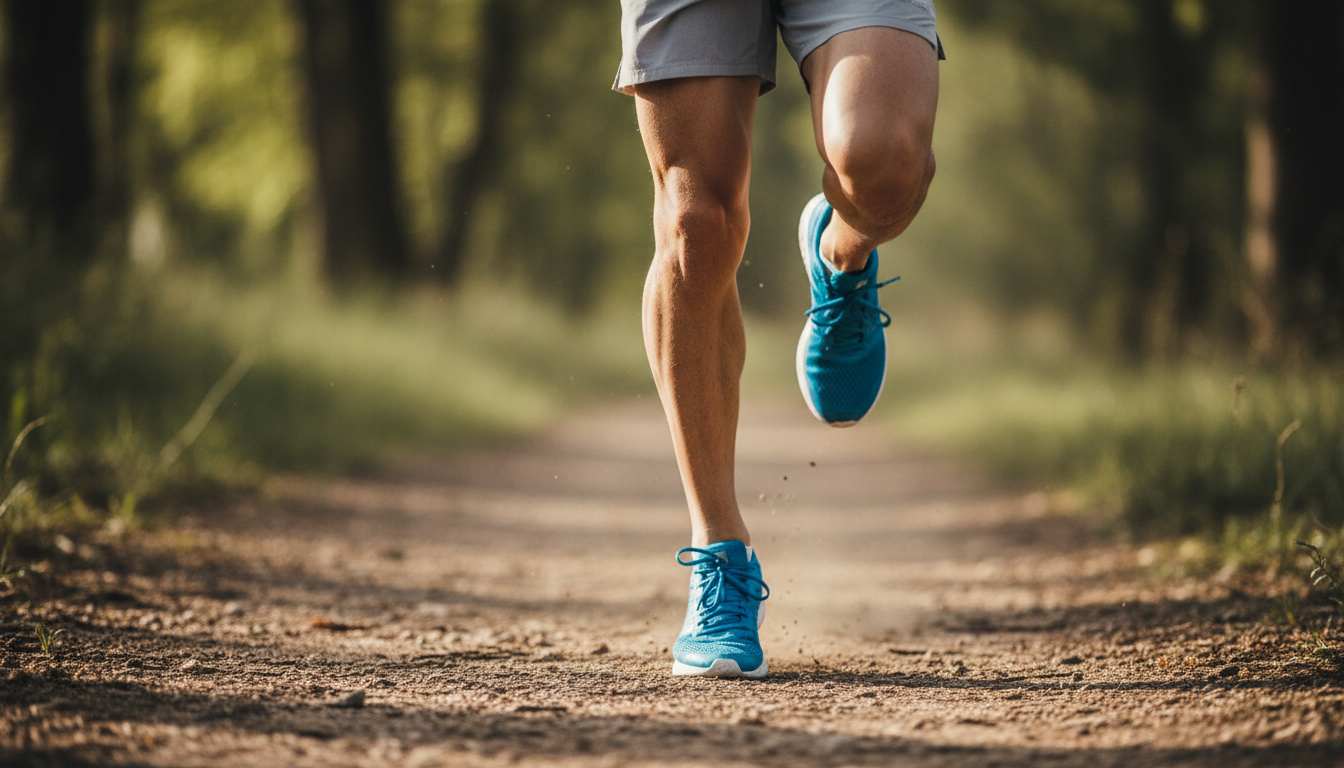
Athletic endurance is not just about cardiovascular fitness or mental fortitude—it begins from the ground up. The foundation of every stride, jump, and pivot lies in the support your feet receive. Whether you’re training for a marathon, competing in pickleball tournaments, or recovering from soccer sports injuries, proper foot support can be the difference between peak performance and premature fatigue. Understanding how the right footwear and support systems enhance endurance is essential for athletes at every level.
Many athletes unknowingly compromise their performance by neglecting foot health. Conditions like plantar fasciitis, neuropathy, and general foot pain can severely limit training capacity and competitive output. This comprehensive guide explores the critical connection between foot support and athletic endurance, offering insights into selecting the best shoe for plantar fasciitis and other supportive footwear solutions that keep you performing at your best.
Understanding the Connection Between Foot Support and Athletic Endurance
Your feet are complex biomechanical structures containing 26 bones, 33 joints, and over 100 muscles, tendons, and ligaments. During athletic activity, they absorb impact forces up to three times your body weight with each step. Without adequate support, this repetitive stress leads to fatigue, inflammation, and decreased performance. Proper foot support distributes pressure evenly, maintains proper alignment, and reduces energy expenditure—all crucial factors in sustaining endurance during prolonged physical activity.
When foot support is inadequate, the body compensates through altered biomechanics. This compensation creates a cascade effect: ankles roll inward or outward, knees twist unnaturally, hips misalign, and the lower back absorbs excessive stress. These compensatory movements require additional muscular effort, draining energy reserves that should fuel athletic performance. Athletes wearing supportive shoes for foot pain report significantly improved endurance metrics compared to those in unsupportive footwear.
Research consistently demonstrates that proper arch support, cushioning, and stability features reduce muscle fatigue in the feet and lower legs. This reduction in localized fatigue translates directly to improved overall endurance. The connection becomes even more critical for athletes managing conditions like plantar fasciitis or neuropathy, where inadequate support can transform minor discomfort into performance-ending pain.
Common Foot Conditions That Impact Athletic Performance
Several foot conditions disproportionately affect athletes and directly compromise endurance capacity. Recognizing these conditions and addressing them with appropriate footwear is essential for maintaining consistent training schedules and competitive performance.
Plantar fasciitis remains one of the most prevalent conditions among endurance athletes. This inflammatory condition affects the thick band of tissue running across the bottom of your foot, causing stabbing heel pain that worsens with activity. Athletes with plantar fasciitis require shoes for plantar fasciitis that provide exceptional arch support and heel cushioning. Men, who statistically experience higher rates of this condition due to biomechanical factors, should specifically seek shoes for plantar fasciitis men that accommodate their typically wider foot structure and higher body weight impact forces.
Neuropathy, characterized by numbness, tingling, or burning sensations in the feet, presents unique challenges for athletes. Those experiencing these symptoms need shoes for neuropathy with seamless interiors, extra depth, and protective cushioning to prevent injuries they might not immediately feel. The right footwear can prevent complications while maintaining athletic capability.
Beyond these specific conditions, general foot pain from overuse, improper footwear, or structural abnormalities affects countless athletes. Comfortable shoes for toe pain with proper toe box dimensions prevent issues like Morton’s neuroma and hammer toes, while best arch support shoes for plantar fasciitis address the underlying biomechanical deficiencies that contribute to multiple foot problems.
Key Features of Footwear That Enhances Endurance
Not all athletic footwear is created equal. Understanding which features actually contribute to improved endurance helps athletes make informed purchasing decisions. The best performance footwear incorporates several critical elements that work synergistically to support extended athletic activity.
- Arch Support: Proper arch support maintains the foot’s natural biomechanics, reducing fatigue in the plantar fascia and intrinsic foot muscles. The best arch support shoes for plantar fasciitis feature contoured footbeds that cradle the arch without creating pressure points.
- Cushioning and Shock Absorption: Quality cushioning systems absorb impact forces, protecting joints and reducing muscular fatigue. Advanced materials in modern athletic footwear can reduce impact forces by up to 40%, significantly extending endurance capacity.
- Heel Support and Stability: A supportive heel counter prevents excessive foot motion, maintaining alignment throughout the kinetic chain. This stability is particularly important in sports like pickleball where quick directional changes are common—remember, a rally ends when one team faults in pickleball, often due to poor footwork and inadequate foot support.
- Proper Fit and Toe Box Space: Shoes that are too tight restrict circulation and cause pain, while excessive looseness creates friction and instability. Comfortable shoes for toe pain provide adequate room for natural toe splay without allowing the foot to slide within the shoe.
- Breathability and Moisture Management: Moisture buildup increases friction, leading to blisters and discomfort that compromise endurance. Quality athletic footwear incorporates breathable materials that manage heat and moisture effectively.
- Appropriate Outsole Design: Sport-specific traction patterns optimize grip and energy return, reducing the muscular effort required for propulsion and stabilization.
Sport-Specific Considerations for Foot Support
Different athletic activities place unique demands on the feet, requiring specialized support considerations. Understanding these sport-specific needs helps athletes select the most appropriate footwear and support systems for their primary activities.
Soccer sports injuries frequently involve the feet and ankles due to the sport’s high-impact nature, rapid directional changes, and potential for contact injuries. Soccer injuries occur at elevated rates when players wear inappropriate footwear lacking adequate support. Players should prioritize plantar fasciitis shoes for men (as soccer remains male-dominated at competitive levels) with reinforced heel counters, excellent arch support, and firm midfoot structures that prevent excessive torsion during cutting movements.
Pickleball, one of the fastest-growing sports, demands exceptional lateral support and cushioning. The court’s hard surface and the game’s quick, repetitive movements create significant stress on the feet. Since a rally ends when one team faults in pickleball—often due to poor positioning resulting from foot discomfort—proper footwear becomes tactically important. Sneakers for plantar fasciitis with court-specific outsoles and responsive cushioning help players maintain optimal positioning throughout extended matches.
Distance running requires footwear that balances cushioning with responsiveness. The repetitive nature of running magnifies any biomechanical inefficiency, making proper support absolutely critical. The best shoe for plantar fasciitis in running applications provides graduated cushioning that offers maximum protection at heel strike while maintaining forefoot responsiveness for efficient toe-off.
The Role of Insoles in Optimizing Foot Support
Even the highest-quality athletic shoes can benefit from aftermarket insoles designed to address specific support needs. Custom or specialized insoles represent a cost-effective way to transform adequate footwear into exceptional performance equipment tailored to your unique biomechanics.
Premium athletic insoles offer advantages that stock shoe inserts cannot match. They provide targeted arch support that matches your specific arch type, enhanced cushioning in high-pressure zones, and materials engineered for optimal shock absorption and energy return. For athletes managing plantar fasciitis, neuropathy, or chronic foot pain, specialized insoles can mean the difference between sidelined training and consistent performance.
When selecting performance insoles, consider your sport’s specific demands, your foot type, and any existing conditions. If you’re looking to enhance your athletic footwear with professional-grade support and cushioning, explore these sport shock-absorbing insoles with advanced cushioning technology designed specifically for athletic performance and endurance enhancement.
Practical Steps to Improve Your Foot Support and Athletic Endurance
Implementing proper foot support involves more than simply purchasing new shoes. A comprehensive approach addresses multiple factors that collectively enhance comfort, reduce injury risk, and improve endurance performance.
- Get a Professional Foot Assessment: Visit a podiatrist or specialized athletic footwear store for gait analysis and foot structure evaluation. This professional assessment identifies your specific support needs.
- Replace Worn Footwear Regularly: Athletic shoes lose cushioning effectiveness after 300-500 miles of use. Track your mileage and replace shoes proactively rather than waiting for visible wear.
- Rotate Between Multiple Pairs: Using different shoes for different training sessions allows cushioning materials to fully recover between uses and prevents repetitive stress from identical movement patterns.
- Strengthen Intrinsic Foot Muscles: Exercises like toe curls, arch domes, and balance work strengthen the foot’s natural support structures, complementing external footwear support.
- Address Flexibility and Mobility Issues: Tight calves and limited ankle mobility increase stress on the plantar fascia and alter foot biomechanics. Regular stretching and mobility work optimize foot function.
- Listen to Your Feet: Pain is a signal, not a challenge to overcome. Address discomfort promptly with appropriate footwear modifications, rest, or professional consultation.
Selecting the Right Footwear for Your Specific Needs
With countless options available, selecting appropriate athletic footwear can feel overwhelming. A systematic approach based on your specific requirements simplifies the decision-making process and ensures you invest in footwear that genuinely enhances your endurance performance.
Begin by identifying your primary athletic activities and any existing foot conditions. If you’re managing plantar fasciitis, prioritize shoes for plantar fasciitis or sneakers for plantar fasciitis specifically designed to address this condition. Men should look for plantar fasciitis shoes for men that accommodate typical male foot characteristics. Those experiencing neuropathy need shoes for neuropathy with protective features and seamless construction.
Consider your foot type—whether you have high arches, flat feet, or neutral arches significantly impacts which shoes will provide optimal support. High-arched feet require substantial cushioning and flexibility, while flat feet need motion control and structured support. The best arch support shoes for plantar fasciitis offer adjustability or come in variants designed for different arch types.
Try shoes later in the day when feet are naturally slightly swollen, mimicking their condition during athletic activity. Wear the socks you’ll use during training, and test shoes on appropriate surfaces. Walk, jog, and perform sport-specific movements to evaluate comfort and support under realistic conditions.
Conclusion: Building Endurance From the Ground Up
Athletic endurance is a multifaceted achievement requiring attention to numerous performance factors. Among these, foot support stands as a foundational element that influences every other aspect of athletic capability. From preventing common conditions like plantar fasciitis to optimizing biomechanical efficiency, proper footwear and support systems directly enhance your capacity for sustained performance.
The investment in quality supportive shoes for foot pain, specialized insoles, and condition-specific footwear pays dividends in reduced injury rates, improved training consistency, and enhanced competitive performance. Whether you’re navigating soccer injuries, perfecting your pickleball game, or pursuing personal distance records, your feet deserve the same attention and resources you dedicate to cardiovascular training and nutrition.
Remember that proper foot support is not a luxury—it’s a performance necessity. By understanding your unique biomechanical needs, selecting appropriate footwear, and addressing support deficiencies with targeted solutions, you create the optimal foundation for athletic endurance. Your feet carry you through every training session and competition; supporting them properly ensures they’ll carry you further, faster, and more comfortably than you ever thought possible.
Take action today by evaluating your current footwear, addressing any existing foot discomfort, and investing in the support systems that will unlock your full endurance potential. The path to improved athletic performance truly begins with a single step—make sure that step is properly supported.