
Choosing the Best Insoles and Supportive Footwear for Repetitive Work: A Complete Guide to Reducing Fatigue and Preventing Injury
May 13, 2026
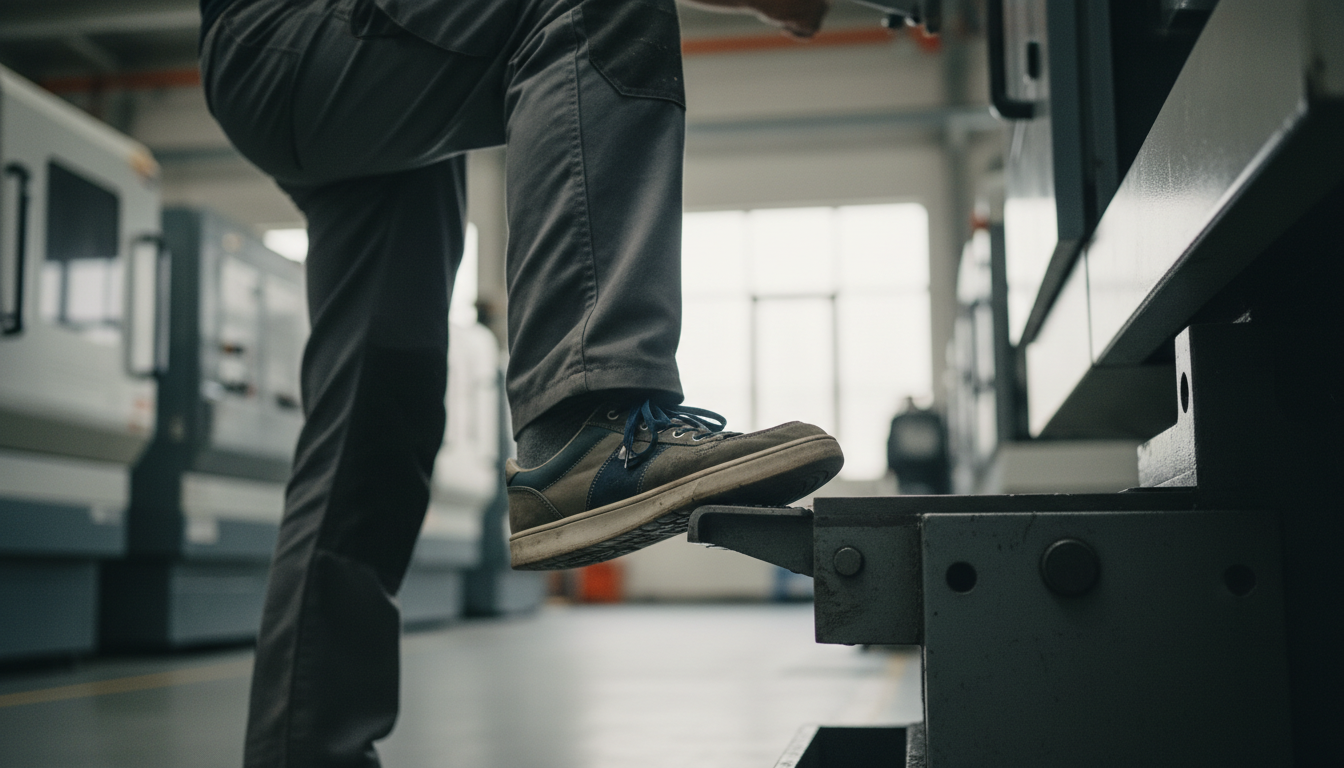
For millions of workers who spend their days standing, walking, or performing repetitive tasks, foot pain isn’t just an inconvenience—it’s a daily reality that can significantly impact productivity, quality of life, and long-term health. Whether you’re a nurse navigating hospital corridors, a warehouse worker fulfilling orders, a retail associate on your feet all day, or a construction professional on job sites, the repetitive stress placed on your feet can lead to serious conditions like plantar fasciitis, heel spurs, and Morton’s neuroma. The good news is that choosing the right orthotic insoles and supportive footwear can make a dramatic difference in reducing fatigue and preventing these debilitating injuries.
This comprehensive guide explores how custom orthotics and properly designed insoles provide the foundation for healthier feet during repetitive work tasks. We’ll examine the science behind orthotic support, identify key features to look for, and help you understand which solutions work best for common foot conditions that plague working professionals.
Understanding the Impact of Repetitive Work on Your Feet
Repetitive work tasks place extraordinary demands on your feet, ankles, and lower body. Every step you take generates forces equivalent to 1.5 times your body weight, and this force multiplies when you’re carrying tools, equipment, or products. Over the course of an eight-hour shift, workers can take between 10,000 to 20,000 steps, creating cumulative stress that breaks down the natural cushioning and support structures in your feet.
The arch of your foot acts as a natural shock absorber, but without adequate support, this arch can collapse under constant pressure. This leads to a cascade of problems: overpronation (excessive inward rolling of the foot), inflammation of the plantar fascia ligament, heel pain, and compensatory issues in your knees, hips, and lower back. Understanding these biomechanical realities is the first step toward protecting your feet with appropriate orthotic solutions.
Workers in repetitive-task environments are particularly vulnerable to conditions like plantar fasciitis—a painful inflammation of the thick band of tissue running across the bottom of your foot. Similarly, Morton’s neuroma, a thickening of tissue around nerves leading to your toes, commonly affects those who spend extended periods on hard surfaces or in constrictive footwear. The right insoles and supportive footwear for plantar fasciitis can prevent these conditions from developing or provide relief if they’re already present.
Key Features of Orthotic Insoles for Work Environments
Not all insoles are created equal, and understanding the essential features that separate therapeutic orthotic insoles from basic comfort inserts is crucial for making an informed decision. Professional-grade work insoles should incorporate several critical design elements that work together to protect your feet throughout demanding shifts.
Arch support is perhaps the most important feature of any orthotic insole. Quality insoles feature contoured arch support that cradles your foot’s natural curve, distributing weight evenly across the entire foot rather than allowing pressure to concentrate in the heel and ball. This support helps maintain proper foot alignment and prevents the arch from collapsing under repetitive stress.
Deep heel cups are another essential component. A well-designed heel cup stabilizes your foot, reduces excessive motion, and provides cushioning exactly where impact forces are greatest. This feature is particularly important for anyone seeking heel pain support shoes or dealing with heel spurs, as it helps absorb shock and reduce inflammation in the heel area.
- High-density foam or gel cushioning that doesn’t compress over time
- Moisture-wicking top layers to keep feet dry and prevent bacterial growth
- Metatarsal pads to relieve pressure on the ball of the foot
- Shock-absorbing materials in high-impact zones
- Anti-microbial treatments to maintain freshness during long shifts
- Durable construction that maintains support through months of daily use
Custom Orthotics vs. Over-the-Counter Insoles: What You Need to Know
When researching solutions for foot pain, you’ll encounter both custom orthotics near me and over-the-counter orthotic insoles. Understanding the differences, benefits, and limitations of each option helps you make the best choice for your specific situation and budget.
Custom orthotics are prescription devices created from molds or scans of your individual feet. A podiatrist or orthotic specialist analyzes your gait, foot structure, and specific pain points to design insoles tailored precisely to your biomechanical needs. These devices offer the highest level of personalized support and are often recommended for severe foot conditions or structural abnormalities. However, they typically cost between $200-$800 and may require insurance authorization.
Over-the-counter orthotic insoles have advanced significantly in recent years, with many offering semi-custom fit options and therapeutic-grade support at a fraction of the cost. High-quality prefabricated insoles incorporate the same fundamental design principles as custom devices—arch support, heel stabilization, and pressure distribution—making them highly effective for the majority of workers experiencing foot fatigue or mild to moderate pain conditions.
For many professionals in repetitive work environments, premium over-the-counter orthotic insoles provide an excellent starting point. They offer immediate relief without the wait time and expense associated with custom devices. If you’re searching for orthotics near me and facing long appointment wait times, starting with a quality prefabricated option allows you to begin addressing foot pain immediately while you determine if custom solutions are necessary.
Addressing Specific Foot Conditions with Targeted Support
Different foot conditions require specific types of support, and understanding these nuances ensures you select insoles that address your particular challenges effectively.
Plantar Fasciitis and Heel Pain
Plantar fasciitis is one of the most common work-related foot conditions, characterized by sharp heel pain that’s typically worst during the first steps of the day. The best shoes for plantar fasciitis combined with appropriate orthotic insoles can dramatically reduce this pain by supporting the arch and reducing tension on the plantar fascia ligament.
Look for insoles with firm arch support that prevents your foot from flattening, along with deep heel cups that cushion and stabilize the heel. Plantar fasciitis footwear should also feature adequate cushioning in the midsole and sufficient room in the toe box to prevent cramping. The best walking shoes for plantar fasciitis pair structured support with flexibility in the forefoot, allowing natural toe-off during your gait cycle.
For professionals dealing with heel spurs—bony growths on the heel bone that often accompany plantar fasciitis—heel spur support shoes with extra cushioning around the heel area provide relief by redistributing pressure away from the spur. Many workers find that combining proper insoles with appropriate footwear eliminates the need for more invasive treatments.
Morton’s Neuroma Support
Morton’s neuroma causes burning pain, tingling, or numbness in the ball of the foot, typically between the third and fourth toes. This condition is frequently aggravated by narrow footwear that compresses the forefoot, making the selection of shoes for morton’s neuroma particularly critical.
The best shoes for morton’s neuroma feature wide toe boxes that allow your toes to spread naturally, reducing compression on the nerve tissue. When searching for comfortable shoes for morton’s neuroma, prioritize brands that offer width options beyond standard sizing. Wide shoes for morton’s neuroma should provide ample room across the ball of the foot while still offering secure heel fit to prevent sliding.
Orthotic insoles for Morton’s neuroma should include metatarsal pads—small raised areas positioned just behind the ball of the foot. These pads help spread the metatarsal bones, reducing pressure on the nerve and alleviating symptoms. Combined with proper footwear, the right insoles can help many workers manage Morton’s neuroma without requiring injections or surgical intervention.
Finding the Right Work Insoles: A Step-by-Step Selection Guide
Choosing orthotic insoles for repetitive work doesn’t have to be overwhelming. Following a systematic approach ensures you identify products that meet your specific needs and work environment requirements.
- Assess your work environment: Consider the surfaces you stand on (concrete, tile, carpeting), the duration of standing or walking, and any safety footwear requirements your workplace mandates.
- Identify your primary pain points: Note where and when you experience discomfort—heel pain upon first standing, arch fatigue after several hours, or forefoot burning at the end of shifts.
- Measure your current footwear: Remove existing insoles from your work shoes and measure their length and width to ensure replacement insoles will fit properly without crowding your feet.
- Consider your arch type: Perform a simple wet foot test by stepping on a paper bag—a complete footprint indicates flat feet requiring maximum arch support, while a narrow connection between heel and forefoot suggests high arches needing cushioning.
- Research products designed for work environments: Look for insoles specifically marketed for standing workers, with features like enhanced durability and all-day cushioning rather than athletic insoles designed for shorter activity periods.
- Read verified customer reviews: Pay particular attention to reviews from workers in similar professions who can speak to long-term comfort and durability during actual work shifts.
- Plan for a break-in period: Even the best orthotic insoles require an adjustment period as your feet adapt to proper support—start by wearing them for a few hours daily before transitioning to full shifts.
Complementary Strategies for Protecting Your Feet at Work
While orthotic insoles provide the foundation for foot health during repetitive work, combining them with complementary strategies maximizes protection and comfort. Quality insoles work best as part of a comprehensive approach to foot care.
Proper footwear selection is paramount. Your work shoes should feature adequate cushioning, structured heel counters, and sufficient depth to accommodate orthotic insoles without creating pressure points. Many workers make the mistake of purchasing shoes that fit perfectly with factory insoles, only to find that adding thicker orthotic insoles makes the shoes too tight. When shopping for work shoes, bring your orthotic insoles along to ensure proper fit.
Anti-fatigue mats in stationary work areas provide an additional layer of shock absorption, reducing the cumulative stress transmitted through your feet, legs, and spine. If your employer hasn’t provided these mats in areas where workers stand for extended periods, they’re worth advocating for—the combination of quality insoles and anti-fatigue mats offers superior protection compared to either solution alone.
Compression socks designed for workers can improve circulation and reduce swelling during long shifts, complementing the support provided by orthotic insoles. Regular foot stretching exercises, particularly calf stretches and plantar fascia stretches performed before and after work, help maintain flexibility and reduce injury risk.
Recommended Solution: Professional-Grade Work Orthotics
For workers seeking immediate relief from foot fatigue and pain caused by repetitive tasks, investing in quality orthotic insoles designed specifically for work environments offers one of the fastest paths to comfort and injury prevention. If you’re ready to experience the difference that proper foot support makes during demanding shifts, explore these professional work orthotic insoles designed for plantar fasciitis and all-day comfort. These insoles incorporate the key features discussed throughout this article—structured arch support, deep heel cups, and durable cushioning—making them an excellent option for professionals in any industry where repetitive tasks take their toll on feet.
The investment in quality insoles pays dividends not only in immediate comfort but also in long-term foot health. By preventing the development of chronic conditions like plantar fasciitis, heel spurs, and Morton’s neuroma, proper orthotic support can save you from expensive medical treatments, lost work days, and the diminished quality of life that accompanies persistent foot pain.
Conclusion: Taking the First Step Toward Pain-Free Work Days
Repetitive work tasks don’t have to mean accepting foot pain as an inevitable part of your professional life. Understanding how orthotic insoles reduce fatigue and prevent injuries empowers you to make informed decisions about protecting your feet during demanding workdays. The right combination of supportive insoles, appropriate footwear, and complementary strategies creates a foundation for comfort that extends beyond your feet to improve your overall well-being and work performance.
Whether you’re dealing with existing conditions like plantar fasciitis or Morton’s neuroma, or you’re taking proactive steps to prevent foot problems before they start, investing in quality orthotic insoles represents one of the most cost-effective interventions you can make. Your feet carry you through tens of thousands of steps during every shift—they deserve the support that allows them to do so without pain or damage.
Don’t wait until minor discomfort becomes debilitating pain. Take action today by evaluating your current footwear and insole situation, identifying the specific support your feet need, and implementing the solutions discussed in this guide. Your feet—and your future self—will thank you for making foot health a priority in your work life. Remember that finding the best shoes for plantar fasciitis or comfortable shoes for morton’s neuroma is just the beginning; pairing quality footwear with therapeutic orthotic insoles creates the complete support system your hardworking feet truly need.