
Defending Your Feet: A Complete Guide to Preventing Overuse Injuries for Active Workers with Flat Feet
May 10, 2026
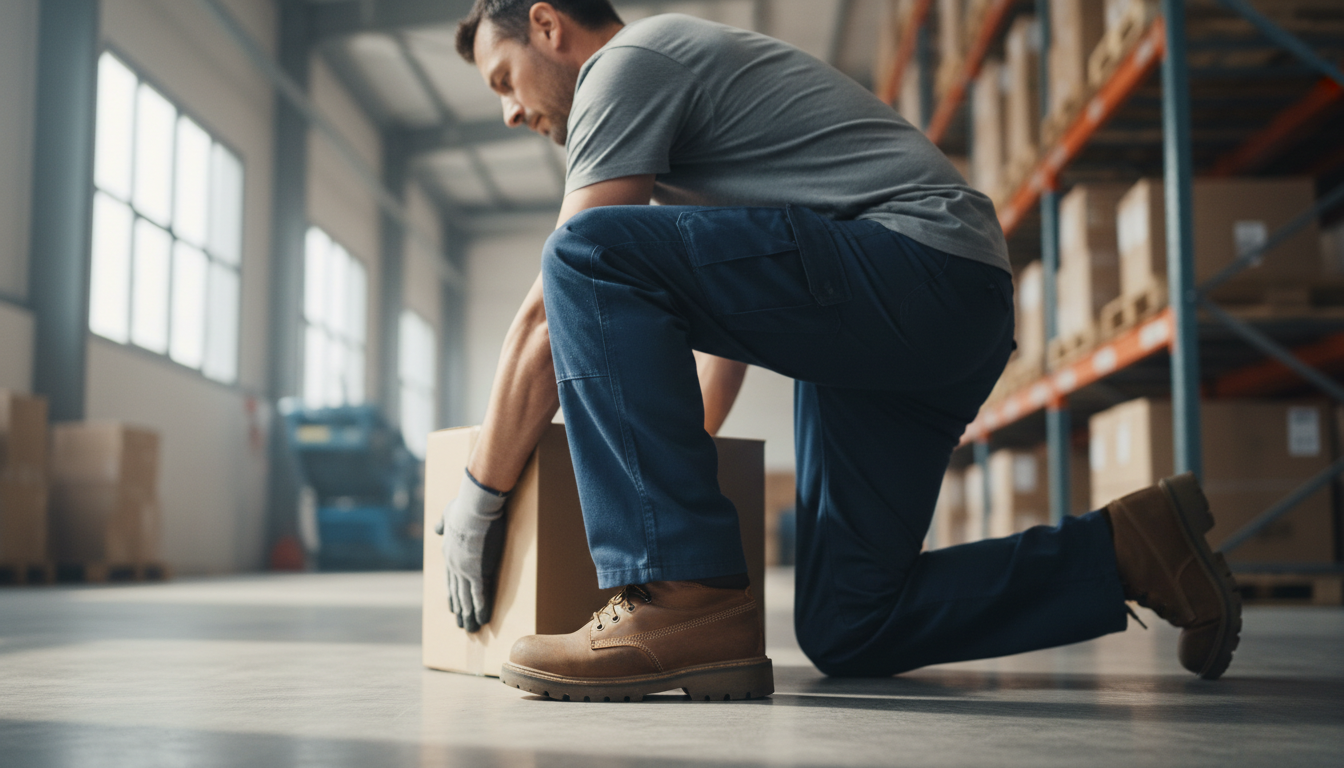
For those who spend hours on their feet each day, foot pain isn’t just an inconvenience—it’s a serious quality of life issue that can impact your work performance and overall well-being. Whether you’re experiencing flat feet pain during long shifts or dealing with the effects of runners foot from constant movement, protecting your feet from overuse is essential for maintaining your livelihood and comfort.
Active professionals like nurses, retail workers, warehouse staff, and service industry employees all face similar challenges when it comes to foot health. The combination of hard surfaces, constant standing, and repetitive movement creates the perfect storm for foot fatigue and potential long-term damage.
This comprehensive guide will explore practical strategies to safeguard your feet during physically demanding work, with special attention to those suffering from flat feet and other common foot conditions. From selecting the right footwear to implementing effective rest protocols, we’ll cover everything you need to know to keep your feet healthy and pain-free.
Understanding the Impact of Overuse on Your Feet
Before diving into solutions, it’s important to understand exactly what happens when feet are overused in active work environments. Your feet are complex structures containing 26 bones, 33 joints, and over 100 muscles, tendons, and ligaments—all working together to support your body weight and facilitate movement.
When subjected to prolonged stress, several problems can develop:
- Plantar fasciitis: Inflammation of the band of tissue connecting your heel to your toes
- Metatarsalgia: Pain and inflammation in the ball of the foot
- Stress fractures: Tiny breaks in the bones from repetitive force
- Flat feet pain: Discomfort from collapsed arches that fail to properly absorb shock
- Achilles tendinitis: Inflammation of the tendon connecting calf muscles to your heel
- Morton’s neuroma: Thickening of tissue around nerves leading to the toes
For those with flat feet (fallen arches), these risks are even more pronounced. When arches collapse, the foot’s natural shock-absorbing mechanism becomes compromised, distributing weight unevenly and placing excessive stress on other parts of the foot. This is why flat feet insoles and proper support become particularly important for prevention.
The Critical Role of Proper Footwear Selection
The foundation of foot protection begins with selecting appropriate footwear for your specific needs. For active professionals, this means investing in shoes that provide both comfort and support throughout long shifts. When shopping for work shoes, consider these essential factors:
- Arch support: Especially crucial for those with flat feet or high arches
- Shock absorption: Look for cushioned midsoles that reduce impact
- Proper fit: Shoes should have adequate toe room without sliding
- Stability features: Such as heel counters that prevent excessive pronation
- Breathability: Materials that allow air circulation to prevent moisture buildup
Many workers make the mistake of prioritizing style over function or choosing shoes based solely on price. However, investing in quality footwear specifically designed for long-term standing and walking can prevent costly medical interventions down the road.
For women seeking comfort at home after long workdays, arch support slippers for women have become increasingly popular. These provide the transition support needed when you’re off the clock but still require foot protection while your feet recover.
The Game-Changing Power of Custom Insoles
Even the best shoes can benefit from additional customization through insoles or orthotic inserts. These specialized inserts can transform standard footwear into personalized support systems tailored to your specific foot structure and needs.
For those suffering from flat feet pain, dedicated flat feet insoles offer targeted support to create an artificial arch and redistribute pressure more evenly across the foot. Similarly, those dealing with runners foot conditions can benefit from insoles designed to absorb shock and reduce stress on overused areas.
The Work Comfort Insoles with Advanced Arch Support represent the latest innovation in foot protection technology for active professionals. These medical-grade insoles feature ergonomic design elements specifically engineered to prevent fatigue during long work shifts while providing exceptional support for those with flat feet and other common conditions.
When selecting insoles, consider these important factors:
- Material firmness appropriate for your weight and activity level
- Heel cups that stabilize the foot and absorb impact
- Arch support matched to your foot type (low, neutral, or high)
- Moisture-wicking top covers to prevent blisters
- Durability appropriate for your work environment
Many workers have also discovered insoles for sneakers too big as a solution when their footwear has slightly more volume than ideal. These can both improve fit and add supportive elements simultaneously.
Strategic Rest and Recovery Protocols
While proper footwear and insoles form the foundation of foot protection, how you manage your feet during non-working hours is equally important for long-term health. Implementing strategic rest and recovery protocols can significantly reduce the cumulative damage of overuse.
Consider incorporating these practices into your routine:
- Elevation: Raise your feet above heart level for 20-30 minutes after work to reduce swelling
- Contrast therapy: Alternating between warm and cool water soaks to improve circulation
- Self-massage: Using a tennis ball or specialized foot roller to release tension
- Stretching exercises: Focusing on the plantar fascia, Achilles tendon, and calf muscles
- Proper home footwear: Using arch support slippers for women or other supportive options instead of going barefoot
Many active workers have discovered the benefits of transitioning to supportive slippers rather than going barefoot at home. The popularity of hey dude insoles and other replacement inserts for casual footwear demonstrates the growing awareness that foot support shouldn’t end when the workday does.
Strengthening Exercises to Build Resilient Feet
Beyond passive protection, actively strengthening the muscles in your feet and lower legs can build resilience against overuse injuries. These exercises target the often-neglected muscles that support your arches and contribute to proper foot mechanics.
Try incorporating these simple strengthening exercises into your routine:
- Toe curls: Place a towel flat on the floor and use your toes to scrunch it toward you
- Marble pickup: Use your toes to pick up marbles and place them in a container
- Calf raises: Stand on the edge of a step with heels hanging off, then raise and lower your heels
- Arch lifts: While seated, keep your toes and heel on the ground while lifting your arch
- Toe spreading: Consciously spread your toes apart, hold, then release
For those dealing with flat feet pain, strengthening exercises can be particularly valuable. While they may not completely correct fallen arches, they can improve the supporting musculature to reduce pain and prevent further collapse. When combined with proper flat feet insoles, these exercises form a comprehensive approach to managing flat foot conditions.
Workplace Modifications and Ergonomic Considerations
The environment in which you work can significantly impact foot health. While you may not have complete control over your workplace, certain modifications and behavior adaptations can reduce stress on your feet.
Consider these workplace strategies:
- Surface padding: Request anti-fatigue mats in areas where you stand for extended periods
- Movement variation: Alternate between sitting, standing, and walking when possible
- Microbreaks: Take brief 1-2 minute breaks to change position or stretch
- Elevation opportunities: Utilize footrests or bars to occasionally shift weight
- Task rotation: If possible, alternate between different activities that stress different parts of the foot
Many workers experiencing runners foot symptoms find that simply changing how they distribute their weight throughout the day can provide significant relief. Being mindful of your standing posture and consciously shifting positions periodically prevents sustained pressure on the same areas of your feet.
When to Seek Professional Intervention
While preventative measures can address many foot issues, certain symptoms warrant professional attention. Recognizing when to seek help is crucial for preventing chronic conditions from developing.
Consider consulting a podiatrist if you experience:
- Pain that persists for more than two weeks despite self-care
- Sudden, severe pain that limits normal activities
- Visible deformities or structural changes in your feet
- Numbness, tingling, or burning sensations
- Recurring issues that temporarily improve but consistently return
For those with persistent flat feet pain or runners foot conditions, professional assessment can provide targeted treatment options beyond general recommendations. A podiatrist can prescribe truly custom orthotic devices, recommend specific footwear, or suggest other interventions based on your unique foot structure and needs.
Conclusion: Building a Comprehensive Foot Protection Strategy
Protecting your feet from overuse in active work environments requires a multifaceted approach that addresses both immediate comfort and long-term health. By combining proper footwear, supportive insoles, strategic rest, strengthening exercises, and workplace modifications, you can significantly reduce your risk of developing painful foot conditions.
Remember that prevention is always preferable to treatment. Investing in quality solutions like arch support slippers for women, proper work shoes, and high-quality Work Comfort Insoles with Advanced Arch Support delivers returns far beyond their cost when measured against potential medical expenses and lost productivity.
For those already experiencing flat feet pain or other foot issues, don’t wait until the problem becomes debilitating. Implementing these strategies early can prevent minor discomfort from evolving into chronic conditions that affect your career and quality of life.
Your feet carry you through each workday—investing in their health is truly an investment in your future. With the right tools and knowledge, even the most demanding jobs can be performed without sacrificing foot comfort and health.