
Standing Strong: Best Solutions for Foot Strain Relief on Hard Floors
May 8, 2026
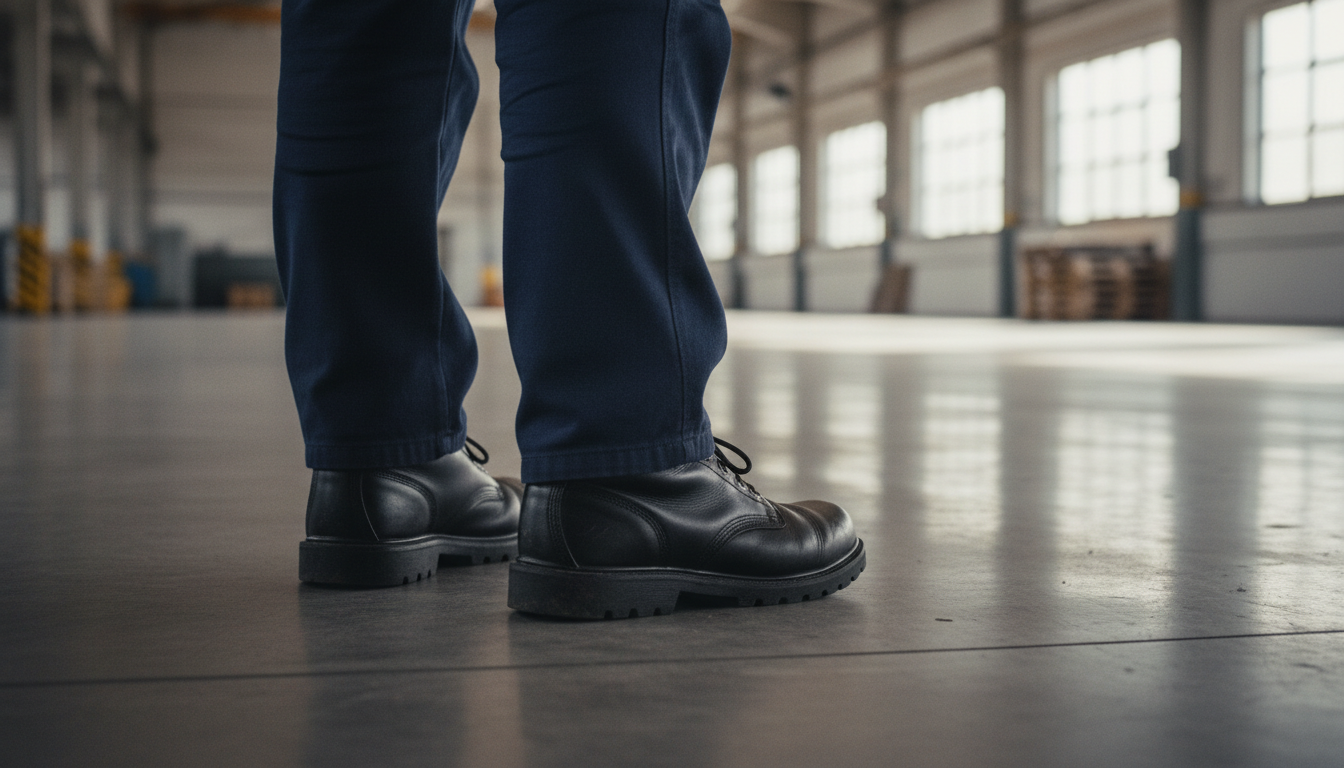
Standing on hard floors for extended periods can take a significant toll on your feet, leading to discomfort, pain, and potential long-term foot health issues. Whether you’re dealing with plantar fasciitis, experiencing pain in the ball of foot when walking, or simply trying to prevent ankle pain after a long day, finding effective solutions is crucial for your overall well-being and productivity.
The impact of hard surfaces extends beyond just temporary discomfort. Over time, standing on concrete, tile, or other unyielding surfaces can contribute to problems like pronation and overpronation, which affect your entire body’s alignment. The good news is that with the right supportive insoles and footwear strategies, you can significantly reduce foot strain and enjoy greater comfort throughout your day.
This comprehensive guide explores practical approaches to protecting your feet when standing on hard floors, with a special focus on supportive insoles as a key solution for various foot conditions.
Understanding How Hard Floors Impact Your Feet
Hard surfaces like concrete, tile, and hardwood provide almost no shock absorption when you stand or walk on them. This lack of cushioning means your feet absorb the full impact of your body weight with each step. Over time, this constant stress can lead to various problems, including:
- Fatigue and soreness in foot muscles
- Pain in the forefoot region
- Heel pain associated with plantar fasciitis
- Ankle pain and instability
- Increased pressure on the ball of foot when walking
- Exacerbation of existing conditions like neuropathy
- Back pain resulting from poor foot support
The human foot is an engineering marvel, containing 26 bones, 33 joints, and over 100 muscles, tendons, and ligaments. When functioning properly on supportive surfaces, these structures work together beautifully. However, hard floors disrupt this natural biomechanical balance, forcing your feet to adapt in ways that can lead to pain and structural issues.
For people with existing conditions like plantar fasciitis or neuropathy, finding the best shoes for these specific issues becomes even more critical when dealing with hard surfaces daily.
Common Foot Problems Associated with Hard Floors
Standing on hard surfaces for hours can trigger or worsen several foot conditions. Understanding these problems is the first step toward finding effective solutions:
Plantar Fasciitis
This common condition involves inflammation of the plantar fascia, a thick band of tissue running across the bottom of your foot. Hard floors can aggravate this condition by increasing stress on this tissue. Wearing the best plantar fasciitis shoes with proper arch support can significantly reduce symptoms.
Ball of Foot Pain (Metatarsalgia)
Experiencing pain in ball of foot when walking is often a sign of metatarsalgia, which can develop from the repeated pressure of standing on hard surfaces. This condition affects the metatarsal heads, the bones that form the ball of your foot.
Ankle Instability and Pain
Lack of proper support on hard floors can lead to ankle pain and potential instability over time. This is particularly problematic for individuals who have previously experienced ankle injuries.
Neuropathy Complications
For those with neuropathy (nerve damage often causing numbness or weakness), hard floors can exacerbate discomfort. Finding the best shoes for neuropathy with adequate cushioning is essential for these individuals.
Pronation Issues
Pronation refers to the natural inward roll of the foot during walking. Overpronation occurs when feet roll inward excessively. Hard surfaces can worsen these biomechanical issues, leading to alignment problems throughout the body.
Supportive Insoles: A Key Solution for Hard Floor Comfort
One of the most effective and immediate solutions for reducing foot strain on hard floors is using high-quality supportive insoles. These specialized inserts can transform even ordinary footwear into more comfortable, supportive options for hard surfaces.
Quality insoles work by providing several key benefits:
- Shock absorption – Cushioning materials help distribute impact forces more evenly
- Arch support – Proper support prevents flattening of the arch during extended standing
- Pressure redistribution – Reduces concentrated pressure on sensitive areas like the ball of foot
- Stability enhancement – Helps control excessive pronation and promotes proper alignment
- Energy return – Some advanced materials return energy with each step, reducing fatigue
When selecting insoles for hard floor relief, consider Work Comfort Orthotics Insoles that specifically address your foot type and any existing conditions you may have. These professionally designed insoles offer exceptional support for all-day standing comfort, with specialized cushioning that significantly reduces impact on hard floors.
Choosing the Best Footwear for Hard Surfaces
While supportive insoles can dramatically improve comfort, pairing them with the right footwear maximizes their effectiveness. Here’s what to look for when selecting shoes for standing on hard floors:
For Those with Plantar Fasciitis
The best plantar fasciitis shoes feature rigid midsoles that limit excessive foot flexion. Look for options with substantial arch support and cushioned heels to reduce strain on the plantar fascia. Many athletic and walking shoe brands now offer models specifically designed for this condition.
For Neuropathy Sufferers
The best shoes for neuropathy typically offer extra depth to accommodate insoles, seamless interiors to prevent irritation, and cushioning technologies that reduce pressure points. Brands specializing in diabetic footwear often produce excellent options for neuropathy as well.
For Back Pain Relief
Foot support and back health are intimately connected. The best shoes for back pain incorporate stability features, appropriate heel heights (usually 1-2 inches), and shock-absorbing midsoles. Proper alignment starts from the ground up, making supportive footwear essential for back health.
For Athletic Activities on Hard Surfaces
Even during activities like a turkey trot or other running events that often take place on paved surfaces, proper footwear makes a significant difference. Look for running shoes with adequate cushioning and support designed for road surfaces.
When considering how tight trail shoes should be or evaluating any athletic footwear, remember that proper fit is crucial. Shoes should be snug enough to provide support but never restrictive enough to cause discomfort or impede circulation.
Workplace Strategies for Reducing Foot Strain
Beyond footwear and insoles, several workplace strategies can help minimize the impact of hard floors on your feet:
- Anti-fatigue mats: Place these cushioned surfaces in areas where you stand frequently
- Regular position changes: Alternate between sitting and standing when possible
- Foot exercises: Perform simple stretches throughout the day to keep foot muscles flexible
- Elevation breaks: When possible, elevate feet during breaks to improve circulation
- Proper hydration: Staying hydrated helps reduce swelling in feet and ankles
Many workplaces are now recognizing the importance of ergonomic solutions that protect employee health. If you’re experiencing significant foot discomfort at work, discuss potential accommodations with your employer, such as appropriate flooring or workstation modifications.
Recovery Techniques After Long Periods of Standing
Even with the best preventive measures, long days on hard floors can leave your feet needing some extra care. Implementing recovery trekking techniques—practices borrowed from hikers who put significant stress on their feet—can help your feet recuperate faster:
- Cold therapy: Apply ice to reduce inflammation after a long day
- Contrast baths: Alternating between warm and cold water helps improve circulation
- Self-massage: Use a tennis ball or specialized foot roller to release tension
- Elevation: Raise feet above heart level for 15-20 minutes to reduce swelling
- Compression socks: These can improve blood flow and reduce fatigue when worn after long periods of standing
Proper recovery is not just about comfort—it’s about sustainability. Just as hiking sustainability focuses on practices that allow continued enjoyment of trails without injury or burnout, workplace foot care sustainability ensures you can continue performing at your best without developing chronic problems.
Special Considerations for Different Occupations
Different jobs present unique challenges when it comes to standing on hard floors:
Healthcare Workers
Medical professionals often stand for 12+ hour shifts on hard hospital floors. For these workers, shoes with excellent forefoot cushioning and slip-resistant features are essential, as is rotation between multiple pairs of supportive footwear.
Retail and Service Industry
These workers frequently move between standing and walking, making flexible but supportive footwear crucial. Addressing pronation and overpronation is especially important for maintaining comfort throughout shifting movements.
Manufacturing and Construction
Safety requirements often dictate specific footwear in these industries. Look for safety shoes that also incorporate comfort features, and consider adding high-quality insoles to improve support within safety footwear.
Teachers and Presenters
Professionals who stand relatively stationary for long periods need shoes with excellent stability and cushioning. Those dealing with ankle pain should prioritize shoes with adequate ankle support.
Regardless of occupation, quality insoles like the Work Comfort Orthotics Insoles can transform standard occupational footwear into more supportive options, providing targeted relief where you need it most during long workdays.
Conclusion: Investing in Foot Health on Hard Surfaces
Standing on hard floors may be unavoidable in many work and life situations, but the strain it places on your feet isn’t something you have to accept as inevitable. By understanding the specific challenges hard surfaces present—whether you’re dealing with plantar fasciitis, neuropathy, or general foot fatigue—you can take proactive steps to protect your foot health.
Quality supportive insoles represent one of the most effective interventions, providing the cushioning and support your feet need when hard surfaces don’t. When combined with appropriate footwear selected for your specific condition and needs, these solutions can dramatically reduce discomfort and help prevent long-term foot problems.
Remember that foot health isn’t isolated from overall wellbeing. The pain in ball of foot when walking or standing can affect your posture, potentially leading to knee, hip, and back pain. By addressing foot strain at its source, you’re investing in whole-body health and comfort.
Whether you’re preparing for a turkey trot race, concerned about hiking sustainability for your feet, or simply trying to make it through another workday without discomfort, the right supportive solutions can make all the difference. Your feet carry you through life—they deserve the best care you can give them.