
Why Foot Support Is Critical During Physically Demanding Jobs: Solutions for Flat Feet Pain & Long-Term Comfort
May 3, 2026
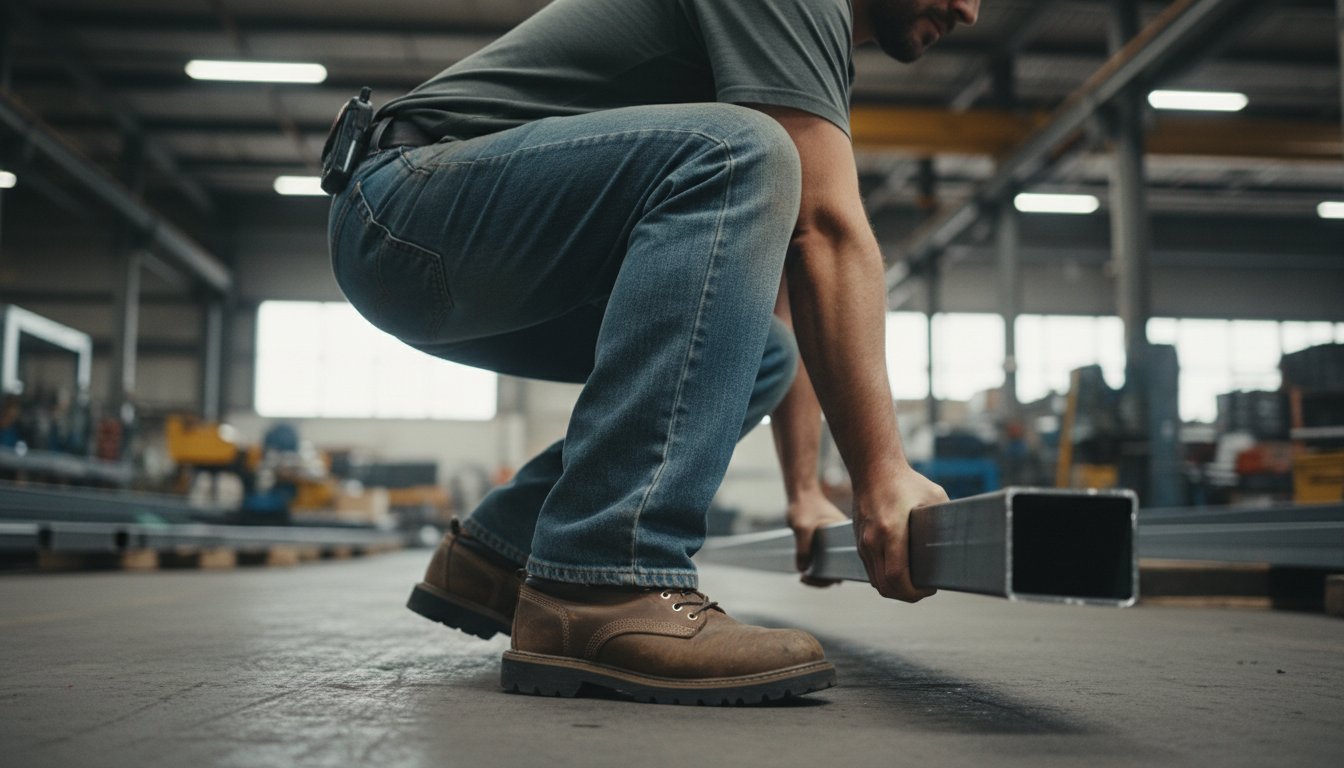
For professionals who spend hours on their feet, proper foot support isn’t just about comfort—it’s about career longevity. Whether you’re a healthcare worker completing 12-hour shifts, a retail employee standing on concrete floors, or a construction worker navigating uneven terrain, the impact of inadequate foot support can lead to debilitating consequences. Many workers brush off early warning signs of flat feet pain or general foot discomfort, not realizing these issues can cascade into chronic conditions affecting their entire musculoskeletal system.
According to recent occupational health studies, workers in physically demanding jobs report foot-related issues as one of their primary health concerns, with many experiencing symptoms similar to runners foot—even without engaging in running activities. The constant pressure and repetitive stress placed on feet during long shifts create wear patterns that, without proper intervention, can lead to permanent damage.
This comprehensive guide explores why proper foot support is non-negotiable for those in physically demanding occupations and how solutions like quality work insoles can make all the difference between a painful workday and productive comfort.
Understanding the Impact of Inadequate Foot Support in the Workplace
When workers lack proper foot support, each step creates a chain reaction throughout the body. The feet serve as our foundation, absorbing impact and stabilizing our movement. Without adequate support, particularly for those with flat feet, this foundation becomes compromised.
Flat feet (fallen arches) affect approximately 30% of the working population. When someone with this condition stands for extended periods without proper support, the foot’s natural arch collapses excessively, causing the foot to roll inward. This pronation throws off proper body alignment, creating a ripple effect that can manifest as:
- Persistent heel and arch pain that worsens throughout the shift
- Progressive ankle instability and discomfort
- Knee pain and alignment issues
- Hip discomfort and uneven weight distribution
- Lower back pain that becomes chronic over time
- Increased overall fatigue that affects work performance
The consequences extend beyond physical discomfort. Workers experiencing foot pain typically show decreased productivity, increased error rates, and higher incidences of workplace accidents. A 2025 occupational safety study found that employees with untreated foot conditions were 37% more likely to experience workplace injuries due to altered gait patterns and compromised stability.
The Science Behind Proper Arch Support and Work Performance
The human foot contains 26 bones, 33 joints, and over 100 muscles, tendons, and ligaments—a complex structure designed to support your entire body. During an 8-hour shift, a worker might take thousands of steps or spend hours standing, placing tremendous stress on this intricate system.
Proper arch support works by distributing pressure evenly across the foot while maintaining the natural foot alignment. When examining the biomechanics of supported vs. unsupported feet during prolonged standing, researchers have documented significant differences:
- Energy Conservation: Workers using proper flat feet insoles experience 23% less muscle fatigue in the lower extremities compared to those without support.
- Impact Absorption: Quality insoles can reduce impact forces by up to 40%, preventing shock from traveling up the skeletal system.
- Posture Maintenance: Proper foot alignment promotes better overall posture, reducing the risk of compensatory pain in the back, hips, and knees.
- Circulation Improvement: Supportive footwear helps maintain better blood flow to the extremities, reducing swelling and discomfort during long shifts.
- Pressure Distribution: Specialized work insoles redistribute weight evenly, preventing painful pressure points from developing.
For workers with specific conditions like flat feet, these benefits become even more pronounced. Flat feet insoles provide the structural support that these individuals naturally lack, creating an artificial arch that helps maintain proper biomechanics throughout long work periods.
Common Foot Problems in Physically Demanding Occupations
Different occupations create different foot challenges, but certain conditions appear consistently across physically demanding jobs. Understanding these common issues helps workers identify early warning signs before they develop into chronic conditions:
Plantar Fasciitis
This painful inflammation of the band of tissue connecting the heel to the toes affects many workers who spend hours standing. Often misdiagnosed as simple heel pain, plantar fasciitis can become debilitating if left untreated. Workers frequently describe a sharp, stabbing pain with the first steps of the morning—a classic symptom that proper arch support slippers for women and men can help prevent during off-work hours.
Flat Feet and Fallen Arches
Flat feet pain becomes particularly problematic during physically demanding jobs. The condition causes the entire foot to contact the ground when standing, eliminating the natural shock-absorbing function of the arch. Over time, this can lead to significant discomfort, altered walking patterns, and compensation injuries in other parts of the body.
Metatarsalgia
This condition causes pain and inflammation in the ball of the foot, common among workers who frequently lift heavy objects or work on hard surfaces. The discomfort can feel like walking with a pebble in your shoe, creating a distracting pain that affects focus and performance. Many workers find relief with insoles that provide metatarsal support and cushioning.
Runners Foot (Stress Fractures)
Despite the name, runners foot affects many non-runners in physically demanding jobs. These tiny cracks in foot bones develop gradually through repetitive stress and inadequate support. Workers often describe a deep, aching pain that worsens with activity—a serious condition requiring both medical intervention and improved foot support.
Choosing the Right Insoles for Your Specific Work Environment
Not all work environments create the same demands on your feet, and consequently, not all insole solutions are created equal. The optimal support depends on your specific occupation, existing foot conditions, and the surfaces you typically work on.
For those wondering about budget-friendly options, Insoles offer entry-level solutions that can provide basic support. However, workers with specific conditions like flat feet or high arches may require more specialized options. Here’s a breakdown of insole considerations by common work environments:
Healthcare and Service Industry
Healthcare workers, servers, and retail employees typically work on hard surfaces and make frequent directional changes throughout their shift. These workers benefit most from:
- Full-length insoles with substantial arch support
- Memory foam or gel cushioning to absorb continuous impact
- Antimicrobial properties to manage moisture during long shifts
- Heel cups that provide stability during quick movements
Many healthcare professionals have discovered that quality work insoles like the 2023 Work Comfort Insoles can transform their comfort levels during demanding 12-hour shifts, providing the perfect balance of support and cushioning designed specifically for workers who spend hours on their feet.
Construction and Manufacturing
Workers in these fields often navigate uneven surfaces while carrying heavy loads, creating unique demands on their feet. Optimal insoles for these environments include:
- Rigid or semi-rigid arch support for maximum stability
- Impact-absorbing heel technology to protect against concrete surfaces
- Durable materials that won’t compress under heavy weight
- Heat and moisture management for comfort in work boots
Casual Work Environments
Even in more casual work settings, proper foot support remains essential. Some workers prefer the comfort of casual shoes with replaceable insoles. For example, Hey Dude insoles have become popular for workers in business casual environments who still require proper support during long periods of standing or walking.
When existing footwear is too large, insoles for sneakers too big can serve a dual purpose—improving fit while providing necessary arch support. This solution is particularly valuable for workers who must provide their own footwear and may have limited options.
Beyond Insoles: Comprehensive Foot Care for Workers
While quality insoles form the foundation of proper foot support, a comprehensive approach to foot health includes additional strategies that workers in physically demanding jobs should consider:
Proper Footwear Selection
Even the best insoles cannot compensate for fundamentally unsuitable footwear. Workers should select shoes specifically designed for their occupation with features like:
- Adequate toe box width to prevent compression
- Appropriate weight for the job requirements
- Slip-resistant outsoles for safety on various surfaces
- Breathable materials to manage moisture
- Replaceable insole beds to accommodate custom orthotics when needed
Off-Hours Foot Care
What workers do after their shift significantly impacts foot recovery and long-term health. Effective practices include:
- Elevation to reduce swelling after long shifts
- Contrast baths (alternating warm and cool water) to improve circulation
- Regular stretching of the foot, calf, and hamstring muscles
- Using arch support slippers for women and men at home to maintain support
- Self-massage techniques using tennis balls or specialized foot rollers
Progressive Strengthening
Strong feet are more resistant to injury and fatigue. Simple exercises can make a significant difference:
- Toe curls with a towel to strengthen intrinsic foot muscles
- Calf raises to improve overall lower leg stability
- Ankle circles to maintain joint mobility
- Balance exercises on one foot to improve proprioception
The Return on Investment: Why Quality Foot Support Matters
When workers evaluate foot support solutions, they often focus on immediate costs rather than long-term value. However, the economics strongly favor investing in quality support:
A 2024 occupational health study estimated that a worker with untreated foot problems costs employers approximately $3,400 annually in decreased productivity, increased sick days, and higher healthcare utilization. For the individual worker, the financial impact extends beyond lost wages to include:
- Out-of-pocket medical expenses for treating preventable conditions
- Reduced career longevity in physically demanding fields
- Increased spending on pain management solutions
- Potential limitations on future employment opportunities
In contrast, high-quality work insoles typically cost between $30-$70 and last 6-12 months with proper care. This investment of roughly $5-12 per month provides protection against conditions that could otherwise lead to thousands in medical bills and lost income.
For workers seeking both quality and value, solutions like the 2023 Work Comfort Insoles provide professional-grade support designed specifically for the demands of physically challenging jobs at a price point that makes preventative foot care accessible to every worker.
Conclusion: Making Foot Support a Priority in Your Work Life
The evidence is clear: proper foot support isn’t a luxury for workers in physically demanding jobs—it’s a necessity. From preventing flat feet pain to avoiding the debilitating effects of conditions like runners foot, quality insoles and comprehensive foot care form an essential part of occupational health.
For the millions of workers who stand, walk, lift, and move throughout their shifts, the message is simple: your feet literally carry your livelihood. Treating them with the care they deserve through proper support isn’t just about comfort—it’s about protecting your ability to work effectively now and in the future.
For workers ready to transform their comfort levels during demanding shifts, the 2023 Work Comfort Insoles provide professional-grade support engineered specifically for those who spend hours on their feet. These insoles combine advanced arch support, shock absorption, and all-day comfort in a solution designed by podiatrists who understand the unique demands of physically challenging work environments.