
Boosting Athletic Performance Through Proper Foot Support: The Ultimate Guide for Athletes
April 30, 2026
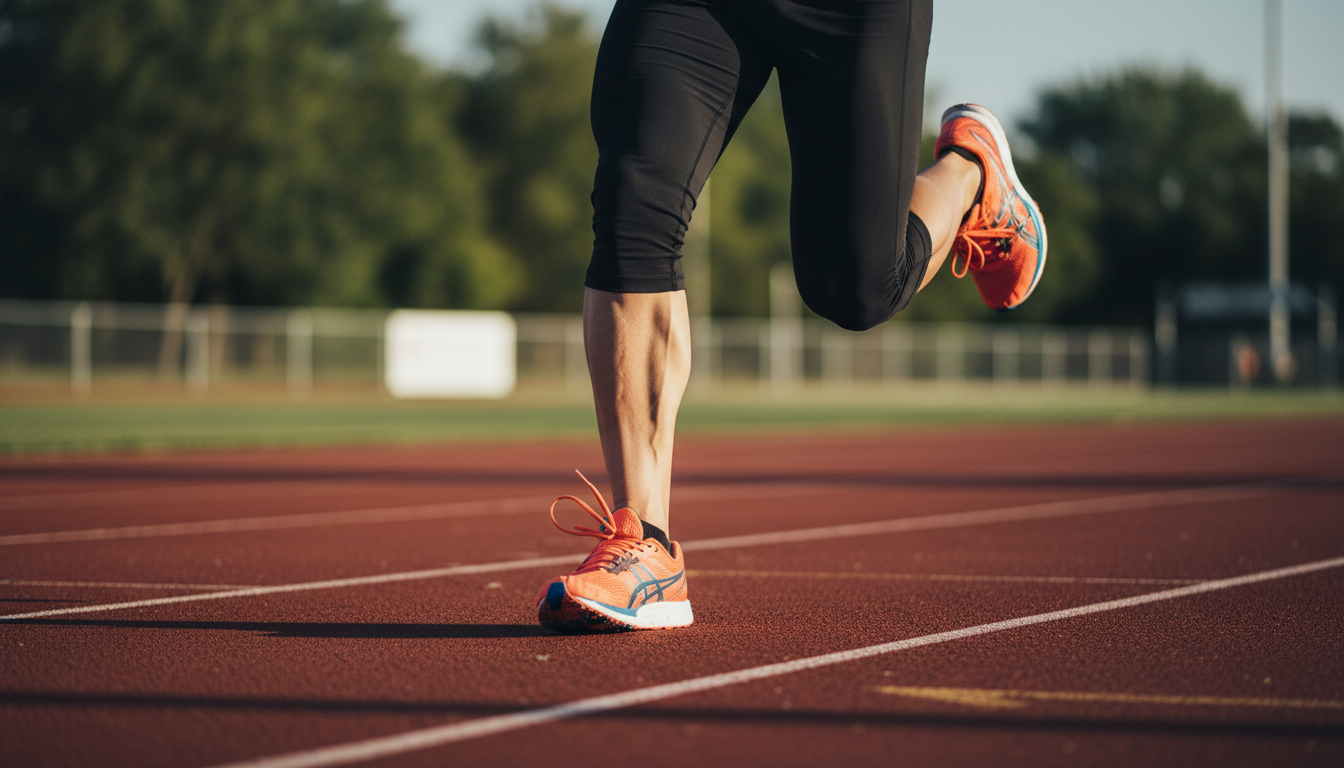
The Foundation of Athletic Excellence: Why Foot Support Matters
Athletic performance begins from the ground up. Whether you’re sprinting down a soccer field, pivoting on a pickleball court, or simply trying to maintain endurance during a long-distance run, your feet serve as the foundation for every movement. Yet many athletes overlook this crucial aspect of their physical capability, focusing instead on upper body strength or cardiovascular endurance while neglecting proper foot support.
Studies have shown that approximately 70% of athletes experience foot-related issues during their careers, with conditions like plantar fasciitis affecting performance across virtually every sport. The right supportive footwear doesn’t just prevent injury—it actively enhances agility, speed, stability, and power transfer from the ground through your kinetic chain.
For those suffering from foot conditions like plantar fasciitis or neuropathy, the stakes are even higher. Finding the best shoes for plantar fasciitis or appropriate shoes for neuropathy isn’t just about comfort—it’s about maintaining the ability to participate in your chosen sport without limitation or pain.
Common Foot Conditions Affecting Athletic Performance
Understanding the most prevalent foot conditions can help athletes make informed decisions about proper support. Here are the conditions most frequently encountered by active individuals:
- Plantar Fasciitis: Inflammation of the thick band of tissue running across the bottom of your foot, connecting your heel bone to your toes. Finding the best arch support shoes for plantar fasciitis is crucial for athletes with this condition.
- Peripheral Neuropathy: Nerve damage that causes numbness, tingling, and pain in the feet. Specialized shoes for neuropathy provide necessary cushioning and support.
- Metatarsalgia: Pain in the ball of your foot that can severely impact push-off power in running and jumping sports. Supportive shoes for foot pain can help distribute pressure more evenly.
- Morton’s Neuroma: A thickening of tissue around nerves leading to the toes, causing sharp, burning pain. Comfortable shoes for toe pain with a wider toe box can alleviate symptoms.
- Flat Feet/Fallen Arches: Lack of proper arch support leading to overpronation and stability issues during athletic movements.
Sport-Specific Foot Support: What Different Athletes Need
Different sports place unique demands on your feet. Understanding these specific requirements is essential for optimizing performance through proper foot support.
Soccer Players and Foot Support
Soccer involves rapid directional changes, sprinting, and precise ball control—all of which begin with proper foot positioning. Soccer sports injuries frequently involve the ankle and foot, with improper support being a major contributing factor. For youth players, finding the best soccer cleats for kids is particularly important as their feet are still developing.
When shopping for soccer cleats kids need, parents should focus on proper fit, appropriate stud configuration for playing surfaces, and adequate arch support. Professional-grade soccer cleats provide stability during lateral movements while allowing for the tactile feel needed for ball control.
Pickleball Enthusiasts
In pickleball you must win by 2 (true or false? True!), and proper foot support can make the difference in those close matches. Since a rally ends when one team faults in pickleball, maintaining proper positioning through stable footwork is essential for competitive play.
Pickleball shoes should provide excellent lateral support for quick side-to-side movements, cushioning for impact absorption when jumping or lunging, and a non-marking outsole with excellent traction for indoor court surfaces.
Long-Distance Runners
Marathon runners and endurance athletes need shoes for plantar fasciitis men’s and women’s varieties that provide consistent support over extended periods. The repetitive impact of running makes proper cushioning and shock absorption essential for preventing injuries and maintaining performance.
For runners with plantar fasciitis, finding the best shoe for plantar fasciitis with adequate arch support and heel cushioning can be the difference between completing a race and being sidelined by pain.
The Science Behind Effective Foot Support
Athletic performance enhancement through proper foot support isn’t just anecdotal—it’s backed by biomechanical science. Here’s how the right support improves different aspects of athletic capability:
- Improved Force Transfer: Proper arch support creates a stable platform for efficient transfer of force from the ground through your kinetic chain.
- Enhanced Proprioception: The right footwear improves your awareness of foot position, leading to better balance and coordination.
- Reduced Energy Waste: Supportive shoes minimize unnecessary muscle activation needed to stabilize wobbly or improperly supported feet.
- Injury Prevention: Proper support reduces excessive pronation or supination, preventing common overuse injuries.
- Improved Endurance: By reducing muscle fatigue in the feet and lower legs, athletes can maintain performance for longer durations.
Research published in the Journal of Sports Science and Medicine indicates that athletes using proper foot support show up to 17% improvement in acceleration and 12% better stability during cutting movements compared to those with inadequate support.
Finding the Right Footwear for Your Sport and Foot Type
Selecting optimal footwear requires understanding both your specific foot needs and sport requirements. Here’s how to approach this important decision:
For Plantar Fasciitis Sufferers
When searching for the best arch support shoes for plantar fasciitis, look for options with firm heel counters, adequate arch support, and cushioning that doesn’t compress too easily. Plantar fasciitis shoes for men should accommodate wider feet while still providing necessary support.
Sneakers for plantar fasciitis should feature a rocker-bottom sole design that reduces pressure on the plantar fascia during the toe-off phase of walking or running. This design feature is particularly valuable for athletes returning to training after a plantar fasciitis flare-up.
For Athletes with Neuropathy
Shoes for neuropathy prioritize protective cushioning, wider toe boxes to prevent nerve compression, and seamless interiors to reduce friction. Look for models with depth to accommodate custom orthotics if needed.
Many athletes with neuropathy benefit from shoes with Velcro closures rather than laces, allowing for adjustments as feet swell during activity. This feature is particularly important for endurance athletes who may experience changing foot volume during extended training sessions.
For Soccer Players
When selecting soccer cleats kids will benefit from, prioritize proper fit over room to grow, as loose cleats can cause blisters and reduce control. The best soccer cleats for kids provide appropriate traction for their playing surface (firm ground, soft ground, or artificial turf).
Adult soccer players should consider their position when selecting cleats—defenders may prioritize stability and protection, while forwards might select lighter options that maximize speed and ball feel. All players should ensure their cleats provide enough support to prevent common soccer injuries to the ankle and foot.
For optimal performance and injury prevention on the field, many soccer players are enhancing their cleats with high-performance sport insoles designed for shock absorption and stability. These specialized inserts can transform even standard cleats into customized performance tools that protect against the impact forces common in soccer.
Beyond Shoes: Supplementary Foot Support for Athletes
While proper footwear forms the foundation of foot support, additional measures can further enhance performance and prevent injury:
- Custom Orthotic Inserts: Professionally designed to address your specific biomechanical needs.
- Compression Socks: Improve circulation and provide additional support during activity and recovery.
- Toe Spacers: Help align toes properly and strengthen intrinsic foot muscles.
- Foot Strengthening Exercises: Develop the muscular support system that works in conjunction with external support.
- Recovery Tools: Foot rollers, ice therapy, and stretching routines to maintain foot health between training sessions.
For athletes seeking supportive shoes for foot pain who require additional customization, aftermarket insoles represent a cost-effective alternative to fully custom orthotics. These products provide targeted support that can be transferred between different pairs of athletic shoes.
The Economic Perspective: Investing in Proper Foot Support
When athletes hesitate at the price tag of quality supportive footwear or custom orthotics, it’s worth considering the economics of prevention versus treatment. A single course of physical therapy for plantar fasciitis typically costs between $1,000-$2,500, while proper supportive shoes might cost $120-$200.
Moreover, the performance benefits of proper support—increased speed, improved endurance, enhanced agility—deliver value that extends far beyond injury prevention. For competitive athletes, these improvements can translate directly to better results and extended careers.
Comfortable shoes for toe pain or specialized shoes for plantar fasciitis men’s models may cost more initially than basic athletic shoes, but they represent a sound investment in both performance and longevity in your chosen sport.
Conclusion: Building Athletic Excellence from the Ground Up
Proper foot support isn’t merely a comfort consideration—it’s a fundamental performance enhancer that affects every aspect of athletic capability. From preventing common conditions like plantar fasciitis to maximizing power transfer during explosive movements, the right support system for your feet creates the foundation upon which athletic excellence is built.
Whether you’re seeking the best shoe for plantar fasciitis to continue your training despite this common condition, or you’re a soccer player looking to prevent injuries while maximizing performance, investing in proper foot support represents one of the highest-value decisions any athlete can make.
Remember that your feet connect you to the ground—the source of all athletic power. By prioritizing their support, you’re not just preventing pain; you’re unlocking your full performance potential from the ground up. As sports science continues to evolve, the critical importance of foot biomechanics in athletic performance becomes increasingly clear. Don’t let inadequate foot support be the limiting factor in your athletic journey.