
Standing or Walking on Hard Floors: 7 Expert Solutions to Reduce Foot Pain and Fatigue
April 24, 2026
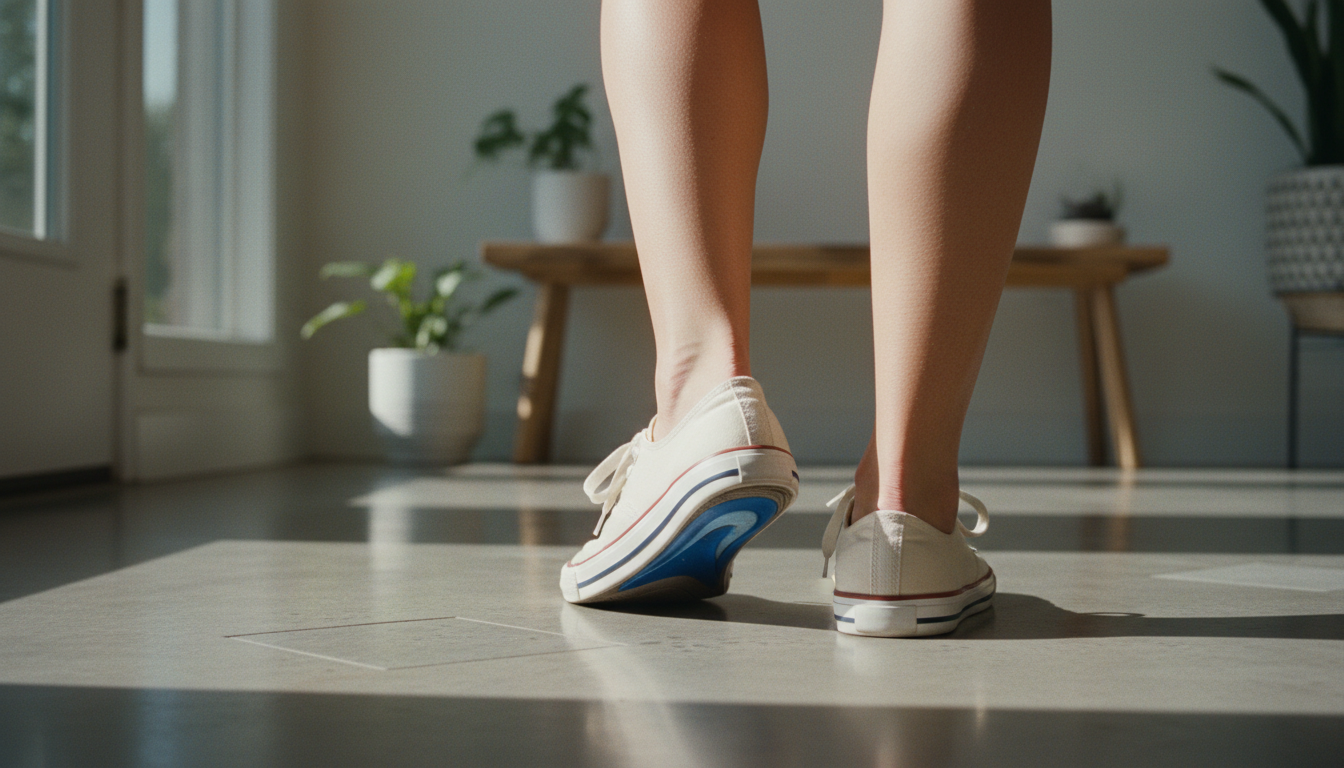
Whether you’re a healthcare professional completing 12-hour shifts, a retail worker who rarely sits down, or someone working in a manufacturing facility, standing or walking on hard floors all day can take a serious toll on your body. The constant impact and lack of cushioning can lead to conditions like plantar fasciitis, ankle pain, and even back problems. In fact, research shows that prolonged standing on hard surfaces contributes significantly to lower extremity disorders and overall fatigue.
The good news is that with the right approach and tools, you can dramatically reduce the discomfort and long-term damage caused by hard flooring. This comprehensive guide offers practical, evidence-based strategies to help protect your feet, joints, and overall well-being, even when your job demands hours of standing or walking on unforgiving surfaces.
Understanding How Hard Floors Impact Your Body
Hard floors provide minimal shock absorption when you stand or walk. This means that every step sends impact forces straight up through your forefoot, heel, ankles, knees, hips, and spine. Over time, this repeated stress can lead to various issues:
- Development of plantar fasciitis (inflammation of the tissue connecting your heel to toes)
- Increased pressure on the ball of foot when walking, causing metatarsalgia
- Worsening of neuropathy symptoms like burning and tingling
- Acceleration of ankle pain and instability
- Exacerbation of existing back pain issues
- Overall muscle fatigue and decreased productivity
Understanding these impacts is crucial because the solutions need to address not just foot comfort, but the entire kinetic chain that’s affected when you stand on hard surfaces.
Footwear: Your First Line of Defense Against Hard Surfaces
When it comes to combating the effects of hard floors, proper footwear selection is absolutely critical. Not all shoes are created equal, especially when it comes to providing support during long periods of standing or walking.
If you suffer from plantar fasciitis, look for shoes with substantial arch support and cushioned heels. The best plantar fasciitis shoes will have firm midsoles that prevent excessive foot flattening while standing. Many healthcare professionals prefer brands specifically designed for all-day comfort on hospital floors.
For those dealing with neuropathy, the best shoes for neuropathy typically feature extra depth, seamless interiors, and cushioning technologies that distribute pressure evenly across the foot. This reduces “hot spots” that can trigger painful nerve sensations.
Similarly, if you experience back pain, the best shoes for back pain will provide proper alignment support from the ground up. Look for models with moderate cushioning (not too soft) and supportive features that promote natural gait patterns.
When assessing shoe fit, remember that many foot issues stem from improper sizing. Just as hikers consider how tight should trail shoes be for optimal performance, workplace footwear should be snug but not constricting, with about a thumb’s width of space in the toe box.
The Critical Role of Quality Insoles and Orthotics
Even the best shoes can benefit from additional support, especially for those spending hours on hard surfaces. Quality insoles can transform ordinary footwear into specialized tools for protecting your feet and reducing overall body fatigue.
Medical-grade orthotics address specific conditions like pronation and overpronation (excessive inward rolling of the foot). By correcting these biomechanical issues, they can prevent cascading problems that lead to knee and hip pain.
For immediate relief from hard floor fatigue, Work Comfort Orthotic Insoles offer superior shock absorption and arch support specifically designed for those who stand all day. These insoles feature targeted cushioning for the heel and forefoot while maintaining proper alignment—exactly what’s needed for hard surface protection.
When choosing insoles, consider your specific foot structure and any existing conditions. Those with pain in ball of foot when walking benefit from insoles with metatarsal pads, while individuals with heel issues need focused cushioning in the rear portion of the insole.
Anti-Fatigue Mats: Creating a Cushioned Microenvironment
When you can’t change the flooring in your workspace, anti-fatigue mats offer a portable solution that can make a significant difference. These specialized mats create a cushioned microenvironment that reduces the impact of standing on hard surfaces.
Quality anti-fatigue mats work by encouraging subtle foot movement as you stand, which improves circulation and reduces muscle fatigue. The slight instability they create—similar to the beneficial instability experienced in hiking sustainability—keeps your leg muscles engaged in a healthy way without causing strain.
To maximize the benefits of anti-fatigue mats:
- Choose appropriate thickness (at least 3/4 inch for industrial settings)
- Select mats with beveled edges to prevent tripping hazards
- Ensure the mat is large enough to accommodate natural standing positions
- Clean regularly to maintain optimal cushioning properties
- Replace when showing signs of compression or wear
For workstations where you primarily stand in one position, anti-fatigue mats can reduce muscle fatigue by up to 50% according to some occupational health studies. They’re particularly beneficial for those with existing foot conditions or early signs of neuropathy.
Movement Strategies: The Power of Position Changes
Even with the best footwear and support tools, staying in one position for extended periods remains problematic. Implementing strategic movement throughout your workday is essential for reducing cumulative stress on your body.
Think of workplace movement as a form of recovery trekking—short, purposeful movements that refresh your muscles and joints. These micro-breaks help redistribute pressure and improve circulation, similar to how hikers benefit from brief rest stops during challenging terrain.
Incorporate these movement strategies into your workday:
- Weight shifting: Alternate your weight from one foot to the other every few minutes
- Calf raises: Perform 10-15 gentle heel raises every hour to engage leg muscles
- Walking breaks: Take a 2-minute walk every 30-60 minutes when possible
- Foot rolling: Keep a small firm ball under your desk to roll under your arch during breaks
- Ankle circles: Rotate each foot to maintain ankle mobility and circulation
For those who enjoy more structured fitness challenges, consider organizing a workplace turkey trot or step challenge. What is a turkey trot? It’s traditionally a fun run or walk held around Thanksgiving, but the concept can be adapted year-round as a workplace wellness initiative to encourage movement and counteract the effects of prolonged standing.
Compression Wear: Support From the Ground Up
Compression socks or stockings can play a significant role in reducing the fatigue associated with standing on hard floors. These specialized garments improve circulation by applying graduated pressure that’s strongest at the ankle and decreases as it moves up the leg.
The benefits of compression wear for those standing on hard surfaces include:
- Reduced swelling in feet and ankles
- Improved venous return (blood flow back to the heart)
- Decreased feeling of heaviness in the legs
- Enhanced recovery after long shifts
- Additional support for those with ankle pain or vascular issues
For optimal results, select compression garments with appropriate pressure ratings (measured in mmHg). Most workplace users benefit from mild to moderate compression (15-20 mmHg), while those with specific medical conditions may require higher levels as recommended by healthcare providers.
Quality compression wear should feel supportive but not painfully tight—similar to considerations for how tight should trail shoes be for hikers. The right fit ensures benefits without restricting natural movement or creating new pressure points.
Recovery Practices: After-Hours Care for Your Feet
What you do after work can be just as important as the preventive measures you take during your shift. Implementing dedicated recovery practices helps your feet and legs reset and prepare for the next day on hard surfaces.
Effective recovery strategies include:
- Elevation: Raise your feet above heart level for 15-20 minutes to reduce swelling
- Contrast therapy: Alternate warm and cool water soaks to improve circulation
- Self-massage: Use techniques targeting the arch, heel, and ball of foot
- Stretching: Focus on calf, hamstring, and plantar fascia stretches
- Proper nighttime positioning: Use a pillow to maintain neutral ankle position during sleep
Many healthcare professionals and service industry workers swear by these recovery routines, noting that they experience significantly less pain in ball of foot when walking the following day. These practices, combined with proper daytime support, create a comprehensive approach to managing hard floor fatigue.
Consider your recovery routine as essential as your work preparations. Just as serious hikers practice hiking sustainability through proper recovery between treks, your feet need dedicated care between shifts to maintain long-term health.
When to Seek Professional Help
While preventive measures can address many issues related to standing on hard floors, persistent pain requires professional attention. Know when to consult with healthcare providers about your symptoms:
- Pain that persists despite trying appropriate footwear and insoles
- Development of visible foot deformities
- Numbness or tingling that doesn’t resolve with rest (potential neuropathy)
- Progressive ankle pain that limits your ability to work
- Back pain that radiates down your legs
- Changes in your natural gait pattern to compensate for pain
Healthcare professionals can offer specialized interventions including physical therapy protocols, custom orthotics, or treatments targeting specific conditions like plantar fasciitis. They can also evaluate whether your symptoms relate to biomechanical issues such as pronation and overpronation that require targeted correction.
Early intervention often leads to better outcomes, so don’t delay seeking help if self-management strategies aren’t providing adequate relief.
Conclusion: Creating Your Complete Hard Floor Survival Strategy
Standing or walking on hard floors doesn’t have to result in pain and fatigue. By implementing a comprehensive approach that includes proper footwear, quality insoles like the Work Comfort Orthotic Insoles, anti-fatigue mats, movement strategies, compression wear, and dedicated recovery practices, you can significantly reduce the negative impacts on your body.
Remember that prevention is always easier than treatment. Investing in quality support tools and establishing healthy workplace habits now can prevent the development of chronic conditions that might limit your career longevity and quality of life.
Whether you’re dealing with existing foot problems like plantar fasciitis, concerned about back pain, or simply wanting to minimize fatigue during long shifts, there are effective solutions available. By combining these strategies and customizing them to your specific needs, you can transform your experience of standing on hard surfaces from painful endurance to sustainable comfort.