
Mastering Athletic Performance: How Proper Foot Mechanics and Premium Sports Insoles Elevate Your Game
April 16, 2026
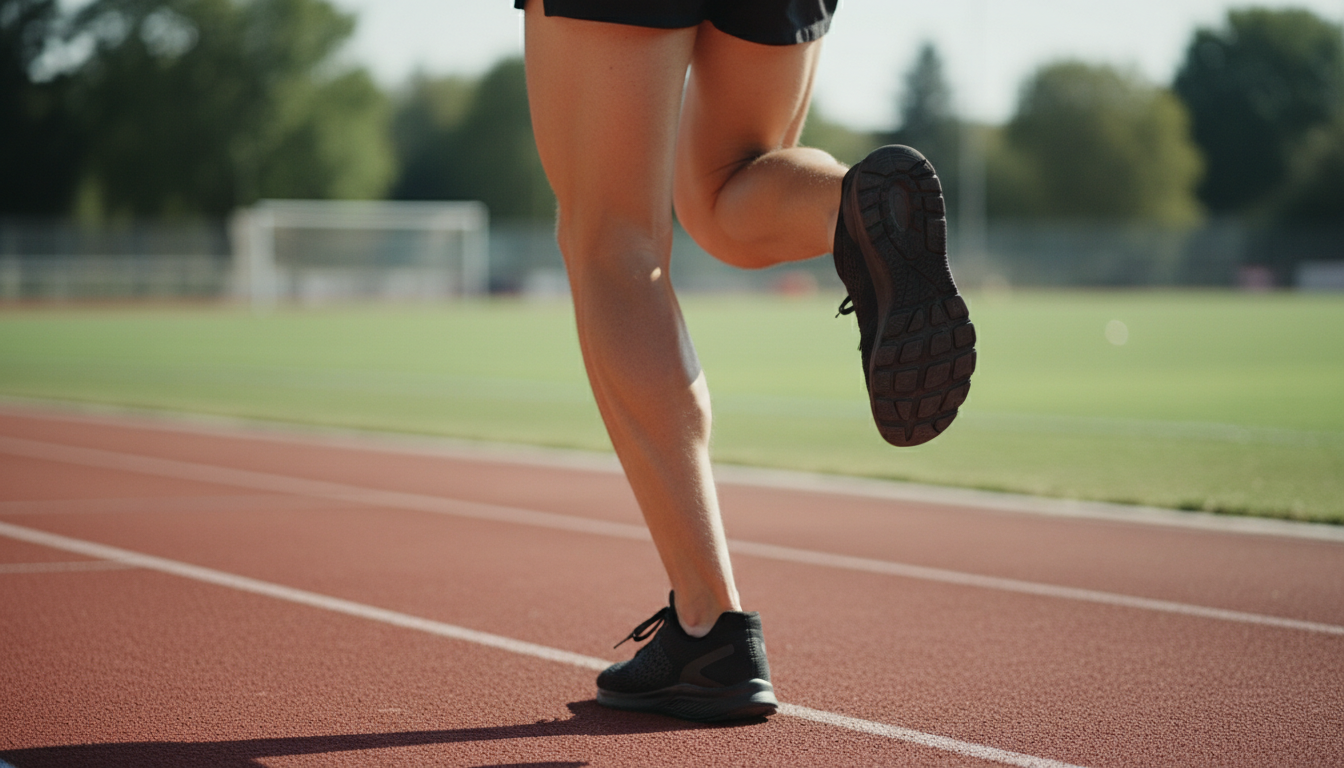
In the world of athletics, the smallest details often make the biggest difference. While athletes spend countless hours perfecting techniques and building strength, one crucial foundation of performance is frequently overlooked: foot mechanics. The way your feet interact with the ground affects everything from power generation and stability to injury prevention and endurance. This comprehensive guide explores how proper foot mechanics—supported by quality gear like shock absorbing insoles—can significantly enhance athletic performance across various sports.
The Foundation of Athletic Movement: Understanding Foot Biomechanics
Your feet are engineering marvels comprising 26 bones, 33 joints, and over 100 muscles, tendons, and ligaments. This complex structure serves as the body’s primary interface with the ground, absorbing forces and translating them into athletic movement. When functioning optimally, your feet create a stable platform that allows for efficient force transfer throughout the kinetic chain.
The biomechanics of the foot during athletic performance involve three critical phases: loading, midstance, and propulsion. During loading, the foot absorbs impact forces as it contacts the ground. The midstance phase stabilizes the foot as weight transfers through it. Finally, propulsion occurs as the foot pushes against the ground to generate forward momentum.
Athletes with proper foot mechanics demonstrate controlled pronation (the natural inward roll of the foot upon impact), stable arches, and effective toe-off. These elements combine to create a foundation for optimal performance that impacts everything above—from ankle and knee alignment to hip stability and core engagement.
Common Foot Mechanics Issues That Limit Athletic Performance
Even elite athletes may struggle with foot mechanics issues that silently undermine their performance. Recognizing these problems is the first step toward correction. Here are the most common foot mechanics problems athletes face:
- Overpronation: Excessive inward rolling of the foot, causing misalignment up the kinetic chain and reducing power transfer efficiency
- Supination: Insufficient inward roll, leading to inadequate shock absorption and increased impact forces
- Collapsed arches: Reduced arch support resulting in muscle fatigue and decreased stability
- Improper weight distribution: Uneven loading patterns that create imbalances and compensations
- Inefficient toe-off: Poor propulsion mechanics that diminish speed and acceleration potential
These issues don’t just affect performance—they frequently lead to chronic injuries including plantar fasciitis, shin splints, stress fractures, and even knee and hip problems. The cumulative stress of these mechanical inefficiencies compounds over thousands of steps during training and competition.
The Performance Connection: How Foot Mechanics Impact Athletic Ability
The relationship between foot mechanics and athletic performance extends far beyond comfort. Research consistently demonstrates that optimized foot function directly contributes to measurable performance improvements. When your feet function properly, several key athletic parameters improve:
- Power generation: Stable foot mechanics create an optimal platform for force production, allowing muscles to generate maximum power
- Energy efficiency: Proper mechanics reduce wasted motion and energy leaks, improving endurance
- Balance and proprioception: Enhanced foot-to-ground connection improves spatial awareness and quick reactions
- Agility and change of direction: Stable foot positioning enables faster, more controlled directional changes
- Acceleration and top speed: Efficient push-off mechanics translate to improved linear speed
Studies with elite sprinters show that optimal foot strike patterns can improve running economy by up to 5%, a significant margin at competitive levels. Similarly, research with basketball players demonstrates that enhanced foot stability correlates with quicker first-step acceleration and more explosive vertical jump performance.
Sport-Specific Foot Mechanics: Tailoring Support to Your Activity
Different sports place unique demands on foot mechanics, requiring specialized approaches to optimization. Understanding these sport-specific needs helps athletes select appropriate supportive gear like sports insoles for men that match their activity patterns.
For runners, the repetitive nature of straight-line movement means that even slight mechanical inefficiencies can lead to significant problems over time. Distance runners typically benefit from running insoles for men that provide moderate cushioning while maintaining natural foot mechanics. Sprinters, meanwhile, often require insoles that maximize energy return during explosive push-offs.
Field sport athletes face different challenges. Football players, for instance, make frequent high-speed cuts and direction changes while wearing cleats that offer minimal inherent cushioning. Football cleat insoles for men need to provide stability during lateral movements while offering shock absorption for high-impact plays. Similarly, soccer players benefit from cleat insoles that enhance ball-feel while protecting against the repetitive impacts of running and jumping on firm surfaces.
Court sport athletes (basketball, tennis, volleyball) require insoles that facilitate rapid multi-directional movement while absorbing the significant forces associated with jumping and landing. These players often prefer shock absorbing insoles that provide responsive cushioning without excessive softness that might compromise stability.
The Technology Behind Performance Insoles: Engineering for Excellence
Modern athletic insoles represent the intersection of biomechanical research and materials science. Today’s performance-focused insoles utilize advanced technologies to address specific foot mechanics needs:
- Multi-density foams: Strategically placed cushioning that’s firmer where support is needed and softer where shock absorption is crucial
- Carbon fiber plates: Thin, lightweight stabilizers that enhance energy return during push-off
- Gel and air cushioning systems: Targeted impact reduction in high-stress areas like the heel and forefoot
- Moisture-wicking top covers: Materials that reduce friction and manage sweat to prevent blisters
- Antimicrobial treatments: Protection against odor-causing bacteria in the high-moisture environment of athletic footwear
These technologies work together to create insoles that don’t just passively cushion but actively enhance foot mechanics. For example, the CRUVHEAL Sport Shock Absorbing Insoles combine advanced gel cushioning with anatomical arch support to optimize foot positioning while absorbing impact forces—perfect for athletes looking to maximize both performance and protection.
Corrective Strategies: Optimizing Foot Mechanics for Peak Performance
Enhancing foot mechanics requires a multi-faceted approach that addresses both structural support and functional strength. Athletes seeking performance improvements should consider these evidence-based strategies:
- Biomechanical assessment: Professional analysis of running or movement patterns to identify specific mechanics issues
- Customized insole selection: Choosing sports insoles that address your specific foot type and movement patterns
- Foot-specific strength training: Exercises targeting the intrinsic muscles of the feet to improve active stability
- Mobility work: Regular stretching and myofascial release of the feet, ankles, and connected tissues
- Technique refinement: Working with coaches to improve movement patterns that maximize efficient foot mechanics
Research indicates that targeted foot strengthening exercises can improve arch function by up to 8% in as little as eight weeks. Similarly, studies with triathletes show that properly selected insoles can reduce perceived fatigue during competition by reducing the workload on stabilizing muscles.
Case Studies: Athletes Transformed by Proper Foot Mechanics
The impact of optimized foot mechanics is evident in numerous athletic success stories. Professional basketball player Marcus Johnson struggled with recurrent ankle sprains until biomechanical analysis revealed severe overpronation during landing. After implementing targeted exercises and switching to high-quality shock absorbing insoles, Johnson reported a 40% reduction in ankle pain and set career records in games played and minutes per game.
Similarly, collegiate track athlete Sophia Martinez battled chronic shin splints that limited her training volume. A comprehensive approach including running insoles for men (which, despite the marketing, worked perfectly for her biomechanical needs) helped correct her excessive pronation. Within one season, Martinez lowered her 5K time by 45 seconds and competed pain-free for the first time in her college career.
Even recreational athletes see remarkable improvements. Weekend warrior basketball player Thomas Chen incorporated football cleat insoles into his court shoes based on their superior lateral stability characteristics. The result was noticeably improved cutting ability and reduced knee pain following his twice-weekly pickup games.
Selecting the Right Support: Finding Your Perfect Performance Insole
With countless options available, selecting the ideal insoles for your specific needs can seem overwhelming. Consider these factors when making your choice:
- Foot type: Different arch heights and foot shapes require different levels of support
- Primary sport: Match insole characteristics to your sport’s movement patterns
- Body weight: Heavier athletes typically need firmer support and more durable cushioning
- Shoe type: Insoles must work in harmony with your footwear’s existing features
- Existing pain points: Target specific areas where you experience discomfort
For athletes serious about optimization, CRUVHEAL Sport Shock Absorbing Insoles offer an excellent balance of performance-enhancing features. Their anatomically designed arch support promotes optimal foot positioning while the advanced cushioning system absorbs impact forces that could otherwise lead to fatigue and injury. These versatile insoles work exceptionally well across multiple sports, from running to field sports to court activities.
Maintenance and Longevity: Getting the Most from Your Performance Insoles
Quality sports insoles represent an investment in your athletic performance. To maximize their effectiveness and lifespan, follow these best practices:
- Regular rotation: If possible, alternate between two pairs to allow complete drying between uses
- Proper cleaning: Wipe with a damp cloth and mild soap; avoid harsh detergents
- Complete drying: Air dry away from direct heat to prevent material degradation
- Inspection schedule: Check monthly for signs of compression or wear that might indicate replacement is needed
- Replacement timing: Most performance insoles should be replaced every 300-500 miles for runners or every 4-6 months for multi-sport athletes
Properly maintained insoles will deliver consistent performance benefits throughout their lifespan. Many athletes find that the small investment in quality insoles pays dividends through improved performance and reduced injury risk.
Conclusion: Building from the Ground Up
Athletic excellence truly begins from the ground up. Proper foot mechanics create the foundation upon which all other movement patterns build, influencing everything from power output and speed to endurance and injury resistance. By understanding and optimizing this crucial aspect of performance, athletes at all levels can unlock new potential.
Whether you’re a professional competitor or weekend warrior, investing in foot mechanics optimization—including quality shock absorbing insoles—represents one of the highest-return performance enhancements available. The cumulative benefits of improved biomechanical efficiency compound with every step, jump, and landing.
Ready to transform your athletic performance through optimized foot mechanics? The CRUVHEAL Sport Shock Absorbing Insoles offer the perfect combination of anatomical support and impact protection to elevate your game. Experience the difference that proper foot mechanics can make in your athletic journey—your feet will thank you, and your performance metrics will reflect the improvement.