
Why Puncture Resistant Insoles Are Essential For Construction Worker Safety
April 13, 2026
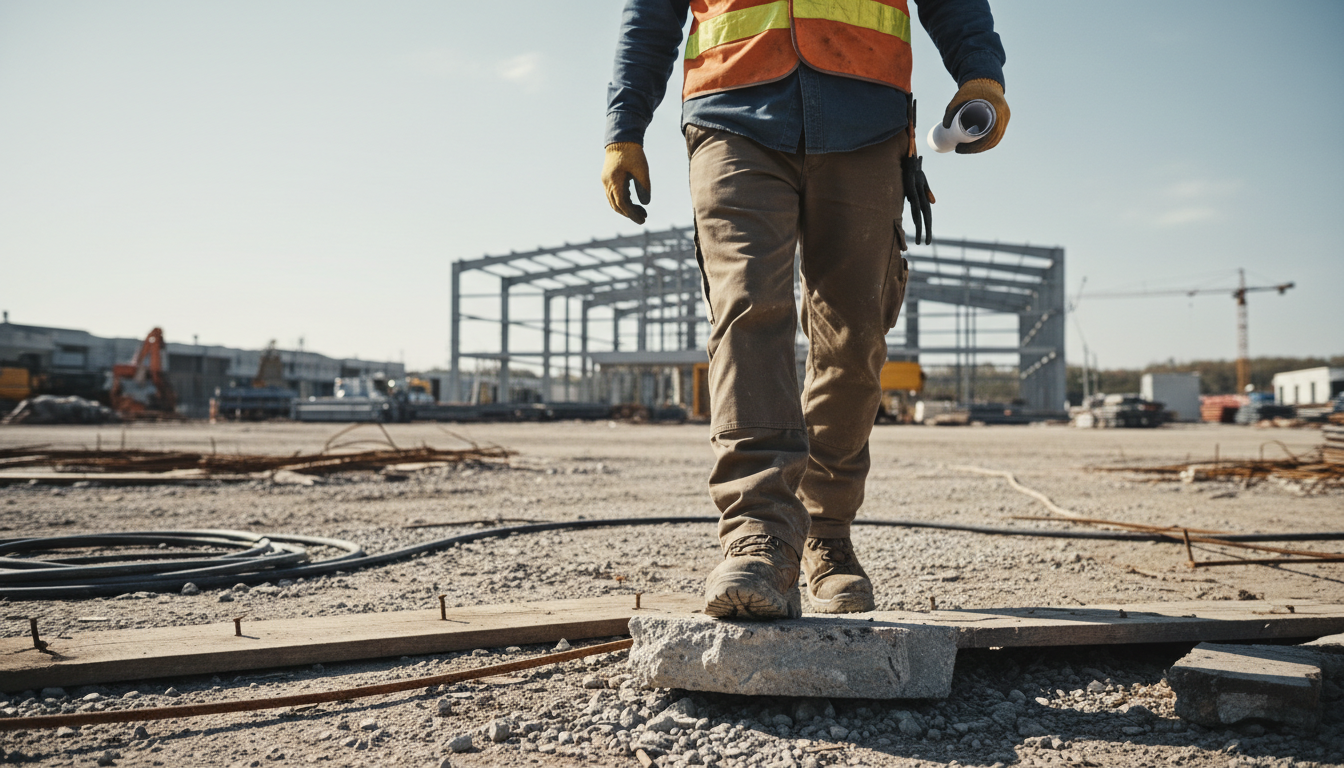
Construction sites are filled with potential hazards, and foot injuries rank among the most common yet preventable workplace accidents. Every day, construction workers navigate environments littered with nails, screws, glass, metal shards, and other sharp objects that can easily penetrate standard work boots. The consequences of these injuries extend far beyond immediate pain—they can lead to infections, lengthy recovery periods, lost wages, and diminished quality of life.
In this comprehensive guide, we’ll explore why puncture resistant insoles are not just optional accessories but essential components of construction worker safety gear. From understanding the science behind puncture protection to learning how innovations like steel toe inserts and nail proof insoles are revolutionizing foot safety, this article provides critical information for anyone working in construction or related fields.
The Hidden Dangers to Construction Workers’ Feet
Construction sites present a minefield of potential foot hazards that many workers encounter daily. According to the Bureau of Labor Statistics, foot injuries account for approximately 10% of all reported workplace injuries, with the construction industry experiencing some of the highest rates. These statistics reflect only reported injuries—countless minor punctures and wounds go undocumented but still impact worker productivity and comfort.
The primary foot dangers on construction sites include:
- Exposed nails from discarded lumber or during demolition work
- Metal scraps, especially during cutting operations
- Glass fragments from broken windows or fixtures
- Sharp stone or concrete fragments
- Rebar and other structural metal components
- Tool-related punctures from dropped items
What makes these hazards particularly dangerous is their unpredictability. Even the most careful worker can’t always see what’s beneath their feet, especially in poorly lit areas or when navigating cluttered spaces. Standard work boots may offer some protection, but their soles are often insufficient against direct punctures from sharp objects under pressure—such as when a worker’s full body weight presses down on a nail.
The Science Behind Puncture Resistant Technology
Modern puncture resistant insoles represent a significant advancement in protective footwear technology. Unlike traditional insoles that focus solely on comfort, these specialized protective layers incorporate materials and design principles specifically engineered to prevent penetration from sharp objects.
The most effective puncture resistant insoles utilize a multi-layered approach to protection:
- Base Layer: Usually made of shock-absorbing foam or gel to maintain comfort and provide cushioning
- Middle Protection Layer: The critical component typically consisting of stainless steel, aramid fibers (like Kevlar®), or composite materials
- Distribution Layer: Spreads impact force across a wider area to reduce pressure at any single point
- Comfort Layer: The top surface designed for daily wear without compromising comfort
The protective middle layer functions much like body armor, using materials that resist penetration through extreme tensile strength or strategic layering. Steel insoles, for example, incorporate thin but highly durable metal plates that spread across the insole’s surface. These plates can withstand hundreds of pounds of pressure without allowing penetration, effectively preventing nails and other sharp objects from reaching the foot.
Composite materials offer a lightweight alternative to metal, using tightly woven synthetic fibers that create a nearly impenetrable barrier. These advanced materials can be just as effective as steel while offering greater flexibility and reduced weight—important considerations for workers who are on their feet all day.
Types of Protective Footwear Solutions for Construction
Construction workers have several options when it comes to enhancing foot protection, each with its own advantages and ideal applications:
Puncture Resistant Insoles
These removable inserts fit inside existing work boots or shoes, providing an additional layer of protection against penetration from below. Quality puncture resistant insoles, like those offered by CRUVHEAL, cover the entire footbed and are thin enough to fit comfortably within most footwear without compromising fit. The primary benefit is versatility—workers can transfer them between different pairs of boots or replace them when worn without purchasing entirely new footwear.
Steel Toe Inserts for Shoes
While traditional steel toe boots protect the front of the foot from crushing injuries, steel toe inserts are aftermarket additions that can be added to regular safety boots. These inserts focus primarily on protecting the toe area from heavy falling objects but don’t typically offer the same level of puncture protection across the entire foot as dedicated insoles do.
Integrated Puncture Resistant Boots
Some manufacturers build puncture resistance directly into work boot construction, incorporating steel or composite plates between the outsole and insole. While convenient, this approach means the entire boot must be replaced when the protective element wears out or becomes damaged.
Nail Proof Insoles
Often used interchangeably with puncture resistant insoles, nail proof insoles specifically highlight protection against one of the most common construction site hazards—exposed nails. These specialized insoles are tested against nail penetration under significant pressure to ensure they provide reliable protection in real-world scenarios.
For maximum protection, many construction workers combine puncture resistant insoles with steel toe boots or steel toe inserts for comprehensive foot protection against both puncture and impact hazards.
The Real-World Impact of Foot Injuries in Construction
Foot injuries in construction carry consequences that extend far beyond immediate pain and discomfort. Understanding these impacts helps illustrate why investing in quality protective gear like puncture resistant insoles is so critical:
First, there are the direct medical consequences. Puncture wounds can introduce bacteria deep into foot tissues, creating serious infection risks. The foot’s complex structure of small bones, tendons, and ligaments means even seemingly minor injuries can cause long-term mobility issues if not properly treated.
From a financial perspective, foot injuries are particularly costly. The average work-related foot injury results in 10 days of lost time, according to safety industry data. For construction workers who often operate as independent contractors or have limited sick leave, these lost days translate directly to lost income. Even for those with workers’ compensation coverage, benefits rarely cover 100% of lost wages.
Career implications can be equally serious. Chronic foot problems resulting from puncture injuries may permanently limit the types of work an individual can perform, potentially forcing experienced workers to leave the construction field entirely. This represents a significant loss of expertise and earning potential.
Quality of life effects extend beyond work as well. Foot injuries can limit participation in family activities, hobbies, and everyday tasks that require standing or walking. The psychological impact of chronic pain and limited mobility shouldn’t be underestimated either.
Choosing the Right Puncture Resistant Insoles
Not all protective insoles offer the same level of safety, comfort, or durability. When selecting puncture resistant insoles for construction work, consider these critical factors:
Protection Rating: Look for insoles that meet or exceed ASTM F2413 standards for puncture resistance, which require withstanding at least 270 pounds of pressure without penetration. The best products will specify their testing standards and results.
Coverage Area: Ensure the protective layer covers the entire foot, not just the heel or forefoot. Punctures can occur anywhere on the sole, so complete coverage is essential for comprehensive protection.
Comfort and Fit: Even the most protective insoles won’t be effective if workers remove them due to discomfort. Quality products like CRUVHEAL’s Puncture Resistant Insoles balance protection with ergonomic design to maintain comfort during long work shifts.
Thickness and Weight: Consider how the insoles will affect your existing footwear fit. Some steel insoles can be relatively thick and may require adjusting to a slightly larger boot size. Composite options typically offer a thinner profile while maintaining protection.
Durability: Construction environments are tough on all equipment. Quality puncture resistant insoles should last through months of daily wear before needing replacement. Check reviews or manufacturer specifications for expected lifespan.
Flexibility: While protection is paramount, insoles that are too rigid can cause discomfort and foot fatigue over time. The best products balance stiffness for protection with enough flexibility to accommodate natural foot movement.
Implementing a Comprehensive Foot Safety Program
For construction companies and individual workers alike, puncture resistant insoles should be part of a broader foot safety strategy. A comprehensive approach includes:
Risk Assessment: Evaluate specific job sites and tasks to identify particular foot hazards. Some environments may present greater puncture risks than others, requiring more robust protection.
Training: Proper education about foot hazards and the correct use of protective equipment is essential. Workers should understand how to properly install and maintain their puncture resistant insoles and recognize when replacement is necessary.
Regular Inspection: Establish routines for checking protective gear, including puncture resistant insoles, for damage or wear that might compromise their effectiveness. Steel insoles should be checked for cracks or sharp edges that could develop over time.
Complementary Protection: Consider how puncture resistant insoles work with other protective elements like steel toe inserts for shoes, metatarsal guards, or ankle protection. Different job functions may require customized protection strategies.
Clean Site Practices: While personal protective equipment is crucial, administrative controls like regular site cleanup and proper material storage can significantly reduce the risk of foot punctures in the first place.
The Return on Investment in Quality Foot Protection
When considering the cost of quality puncture resistant insoles like those from CRUVHEAL, it’s important to evaluate the investment against potential costs of foot injuries. Premium nail proof insoles typically cost between $30-60 per pair—a fraction of what a single workplace injury might cost in medical bills, lost time, and decreased productivity.
For construction business owners, providing puncture resistant insoles to employees represents an opportunity to:
- Reduce workers’ compensation claims related to foot injuries
- Minimize project delays caused by worker absences
- Demonstrate commitment to worker safety, potentially improving retention
- Comply with safety regulations that require appropriate PPE
- Protect experienced workers whose skills are valuable to the company
For individual workers purchasing their own safety equipment, the calculation is even more straightforward—the one-time cost of quality steel insoles or puncture resistant insoles is minimal compared to potentially weeks of lost income from a preventable injury.
When selecting protective insoles, it’s worth investing in established brands with proven track records rather than opting for the least expensive option. The CRUVHEAL Puncture Resistant Insoles offer superior protection with their specialized design and durable materials, making them an excellent choice for serious construction professionals who understand that quality foot protection is an investment, not an expense.
Conclusion: Stepping Forward with Confidence
In construction environments where every step could potentially encounter hidden dangers, puncture resistant insoles provide essential protection that standard work boots alone cannot offer. Whether you opt for steel insoles, composite technologies, or specialized nail proof insoles, the important thing is implementing some form of puncture protection into your daily work routine.
Beyond the immediate safety benefits, proper foot protection allows construction workers to focus on their craft rather than constantly scanning for hazards underfoot. This increased confidence and peace of mind contributes to both productivity and job satisfaction.
As construction techniques and materials continue to evolve, so too does protective gear technology. Today’s puncture resistant insoles offer unprecedented levels of protection while maintaining the comfort necessary for all-day wear. By understanding the options available and making informed choices about foot protection, construction professionals can significantly reduce their risk of debilitating injuries.
Remember that foot safety isn’t just about compliance or avoiding injuries—it’s about sustaining a long, productive career in an industry that builds our world. Investing in quality protection like CRUVHEAL’s professional-grade puncture resistant insoles demonstrates a commitment to your future and acknowledges the value of your contribution to the construction field.