
Hard Floors & Foot Strain: How Work Boot Insoles Can Provide Relief
April 8, 2026
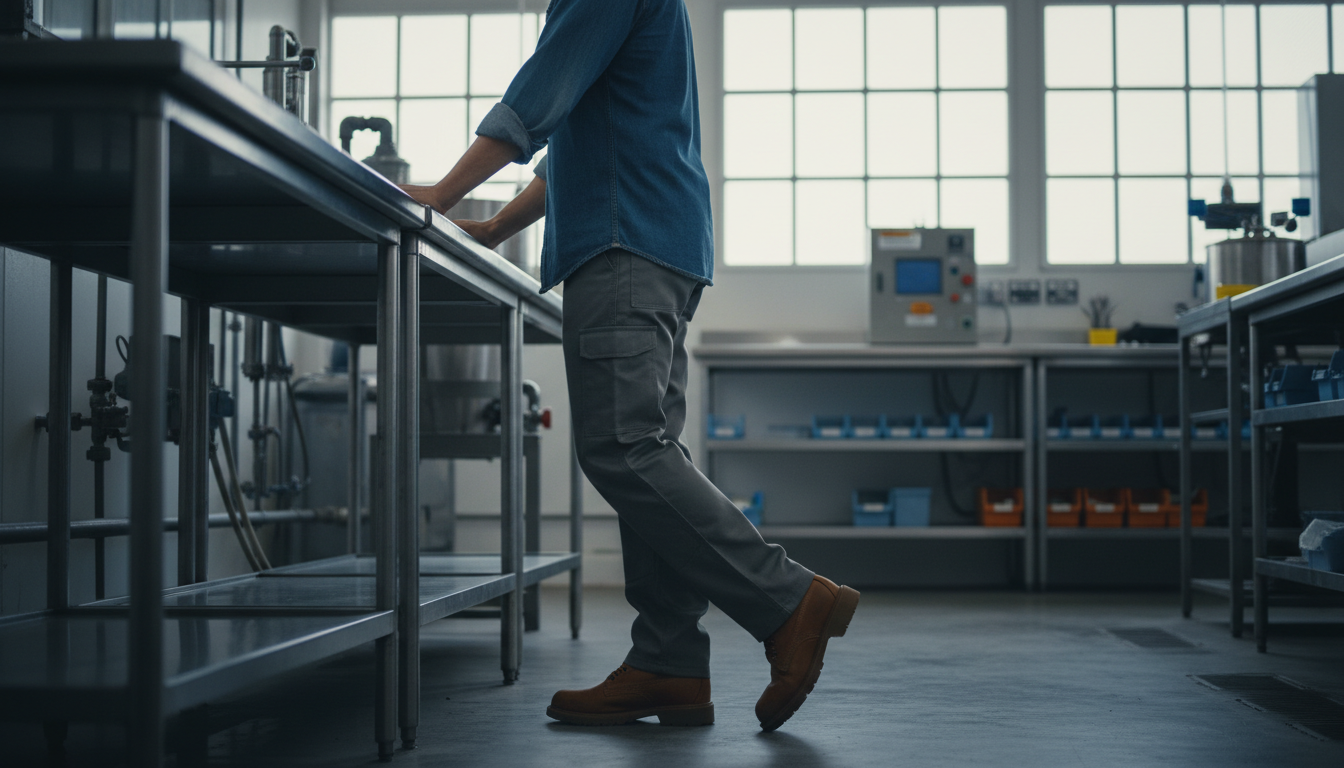
Millions of workers across America spend their days standing on concrete, tile, and other unforgiving surfaces. Whether you’re in construction, manufacturing, retail, healthcare, or hospitality, those hard floors beneath your feet are silently taking a toll on your body. The discomfort you feel after a long shift isn’t just fatigue—it’s your body signaling that something’s wrong.
For men who work in physically demanding professions, finding effective solutions to foot strain isn’t just about comfort—it’s essential for long-term health and career longevity. This article explores why hard floors cause foot strain, the potential consequences of ignoring these symptoms, and how specialized solutions like quality work boot insoles for men can make a significant difference in your daily comfort and long-term foot health.
Why Hard Floors Create Foot Problems
Our feet weren’t designed to stand on concrete and other man-made hard surfaces for hours on end. When you examine the mechanics of how we walk and stand, the problems with hard floors become obvious.
The human foot evolved to walk on varied natural surfaces like soil, grass, and sand—materials that have some give and absorb impact. These natural surfaces allow the foot to function as nature intended, with the arch flexing and the foot’s natural shock absorption system working effectively.
Hard industrial floors present several biomechanical challenges:
- Zero shock absorption – Concrete, tile, and other hard flooring materials don’t compress or yield when you step on them, forcing your body to absorb 100% of the impact
- Unnatural foot positioning – Hard, flat surfaces don’t accommodate the foot’s natural arch, creating pressure points
- Repetitive stress – The same areas of your feet experience the same pressure patterns hour after hour, day after day
- Restricted movement – The foot can’t pronate and supinate normally on unyielding surfaces
- Heat build-up – Hard floors don’t dissipate heat from your feet effectively
For workers spending 8-12 hour shifts on these surfaces, the cumulative effect is significant. Each step on concrete sends shock waves through your feet, ankles, knees, hips, and even your lower back. Without proper support, your body attempts to compensate, often leading to misalignment and strain throughout the entire skeletal system.
Common Symptoms of Hard Floor-Related Foot Strain
How do you know if hard floors are causing problems for your feet? Most men experience a progression of symptoms that worsen over time. Recognizing these early warning signs can help you address issues before they become chronic conditions.
If you stand on hard surfaces regularly, you might notice:
- General fatigue and aching in your feet at the end of your shift
- Burning sensation in the soles of your feet
- Sharp heel pain, especially with first steps in the morning (potential plantar fasciitis)
- Swelling in feet and ankles that worsens throughout the day
- Development of calluses and pressure points
- Pain that radiates up from your feet into your legs
- Increasing back pain that seems to worsen after workdays
What’s particularly concerning is how these symptoms can progress. What starts as mild discomfort can develop into debilitating conditions like plantar fasciitis, metatarsalgia, fallen arches, or even stress fractures. For many industrial workers, these foot problems eventually force career changes or disability claims—outcomes that could potentially be avoided with proper preventive measures.
The Biomechanics: How Hard Floors Affect Your Entire Body
The problems with hard floors extend far beyond your feet. To understand why, we need to look at how human movement works as an interconnected system.
When you stand or walk on a hard surface, your body’s natural shock-absorption system becomes compromised. Normally, your feet, ankles, knees, and hips work together to distribute impact forces. On hard surfaces, this system becomes overwhelmed, particularly at certain pressure points in your feet.
This creates a chain reaction through your musculoskeletal system:
Your foot arch flattens excessively (overpronation) or doesn’t flex enough (supination), changing the alignment of your ankles. This altered ankle position affects knee alignment, which in turn changes hip alignment. Finally, these misalignments reach your spine, often resulting in lower back pain that seems unrelated to your feet but shares the same root cause.
For men in physically demanding jobs, this biomechanical chain reaction is particularly problematic. The combination of heavy lifting, repetitive movements, and long periods standing on hard surfaces creates the perfect storm for developing chronic musculoskeletal problems that can affect your ability to work and your quality of life.
How Work Boot Insoles Can Help
The good news is that you don’t have to accept foot pain as an inevitable part of your job. Quality insoles for men, specifically designed for work boots and occupational footwear, can significantly reduce the strain caused by hard floors.
Specialized work boot insoles function by:
- Distributing pressure evenly across your entire foot rather than concentrating it at pressure points
- Supporting your arch in its natural position to prevent overpronation and excessive flattening
- Absorbing shock with cushioning materials that compress and rebound with each step
- Stabilizing the heel to keep your foot properly aligned
- Reducing friction that contributes to blisters and hot spots
For workers who need industrial footwear, proper boot insoles for men are particularly critical. Standard work boots, while protective, often lack adequate cushioning and arch support for all-day comfort. Even expensive work boots can benefit from upgraded insoles that are specifically designed to counteract the effects of standing on concrete and other hard surfaces.
When choosing work boot insoles for men like these CRUVHEAL orthotic inserts, look for options with multiple density zones that provide both support and cushioning. The best insoles combine firm support in the arch area with shock-absorbing materials in the heel and forefoot.
What Makes an Effective Work Boot Insole
Not all insoles are created equal, especially for demanding work environments. The insoles that come pre-installed in most work boots are typically minimal and designed for average feet—not for the specific challenges of your feet or your working conditions.
When evaluating work boot insoles for men, consider these critical features:
- Material composition – Look for combinations of EVA foam, gel, and/or polyurethane that provide both support and cushioning
- Arch height options – The insole should match your natural arch height (low, medium, or high)
- Heel cup design – A deep, structured heel cup helps maintain proper alignment
- Forefoot cushioning – This area bears significant pressure and needs adequate padding
- Durability – Work environments demand insoles that won’t compress or break down quickly
- Moisture management – Features that reduce sweat build-up can prevent odor and skin problems
For men in occupations requiring steel-toe boots or safety footwear, finding insoles that don’t compromise the protective features of the boot while still providing comfort is essential. Many workers find that specialized boot insoles for men with anatomical designs can transform even the most rigid safety boots into comfortable footwear.
Beyond Insoles: Comprehensive Strategies for Reducing Hard Floor Foot Strain
While quality insoles for men are perhaps the most effective intervention for hard floor-related foot strain, they work best as part of a comprehensive approach to foot health. Consider implementing these additional strategies:
- Footwear rotation – Alternate between two pairs of work boots to allow each pair to fully dry out and regain cushioning between wears
- Anti-fatigue mats – Where possible, request anti-fatigue mats at stationary workstations
- Movement breaks – Change positions and take short walking breaks to reduce static standing time
- Post-work foot care – Elevate feet, apply ice if swollen, and perform simple foot stretches after shifts
- Compression socks – These can improve circulation and reduce swelling during long shifts
For workers in industrial settings, implementing these strategies consistently can make a significant difference in comfort and long-term foot health. Many men report that simply adding quality work boot insoles for men and practicing basic foot care techniques has allowed them to continue in physically demanding professions that they might otherwise have had to abandon due to foot pain.
When to Seek Professional Help
While self-care measures like using premium boot insoles for men can address many hard floor-related foot problems, some situations warrant professional medical attention. Consider consulting a podiatrist or orthopedic specialist if:
- Pain persists despite using quality insoles and implementing other self-care strategies
- You experience numbness, tingling, or shooting pain in your feet
- There’s visible deformity developing in your feet
- You notice significant changes in how you walk to avoid foot pain
- Foot pain is severely affecting your ability to work or your quality of life
A medical professional can provide personalized recommendations and, if necessary, prescribe custom orthotic solutions for complex foot problems. In some cases, workers’ compensation may cover these treatments if the conditions are directly related to workplace conditions.
The Investment in Foot Health
For men in jobs requiring long periods of standing on hard surfaces, investing in quality work boot insoles and foot care should be viewed as an essential health expense—not an optional luxury. The relatively modest cost of premium insoles for men is minimal compared to the potential long-term costs of chronic foot problems, including:
Lost work time due to pain and medical appointments, reduced productivity while working through discomfort, potential career limitations if foot problems become debilitating, and the impact on quality of life and ability to participate in family activities and hobbies outside of work.
Many workers find that high-quality boot insoles from brands like CRUVHEAL pay for themselves quickly through improved comfort and productivity. With proper care, premium work boot insoles typically last 6-12 months of daily wear, making them a cost-effective solution for most working men.
Conclusion: Standing Comfortably on Solid Ground
Hard floors are an unavoidable reality in many workplaces, but the foot strain they cause doesn’t have to be. By understanding the mechanics of how these unforgiving surfaces affect your feet and entire body, you can take proactive steps to protect yourself from both immediate discomfort and long-term damage.
Investing in quality work boot insoles for men is perhaps the single most effective intervention for most workers. When combined with other foot care strategies and proper footwear, these specialized insoles can transform your work experience, allowing you to focus on your job rather than your aching feet.
Remember that foot health impacts your entire wellbeing—from your physical comfort to your job performance and even your mood. By taking steps today to address the challenges posed by hard floors, you’re making an investment not just in your feet, but in your overall quality of life and career longevity.
Whether you’re experiencing early signs of foot strain or already dealing with chronic foot pain, there’s no better time than now to give your feet the support they deserve with high-quality insoles designed specifically for the demands of your work environment.