
Essential Foot Protection Tips for Outdoor Workers: Using Puncture Resistant Insoles and Steel Toe Inserts in Harsh Conditions
March 23, 2026
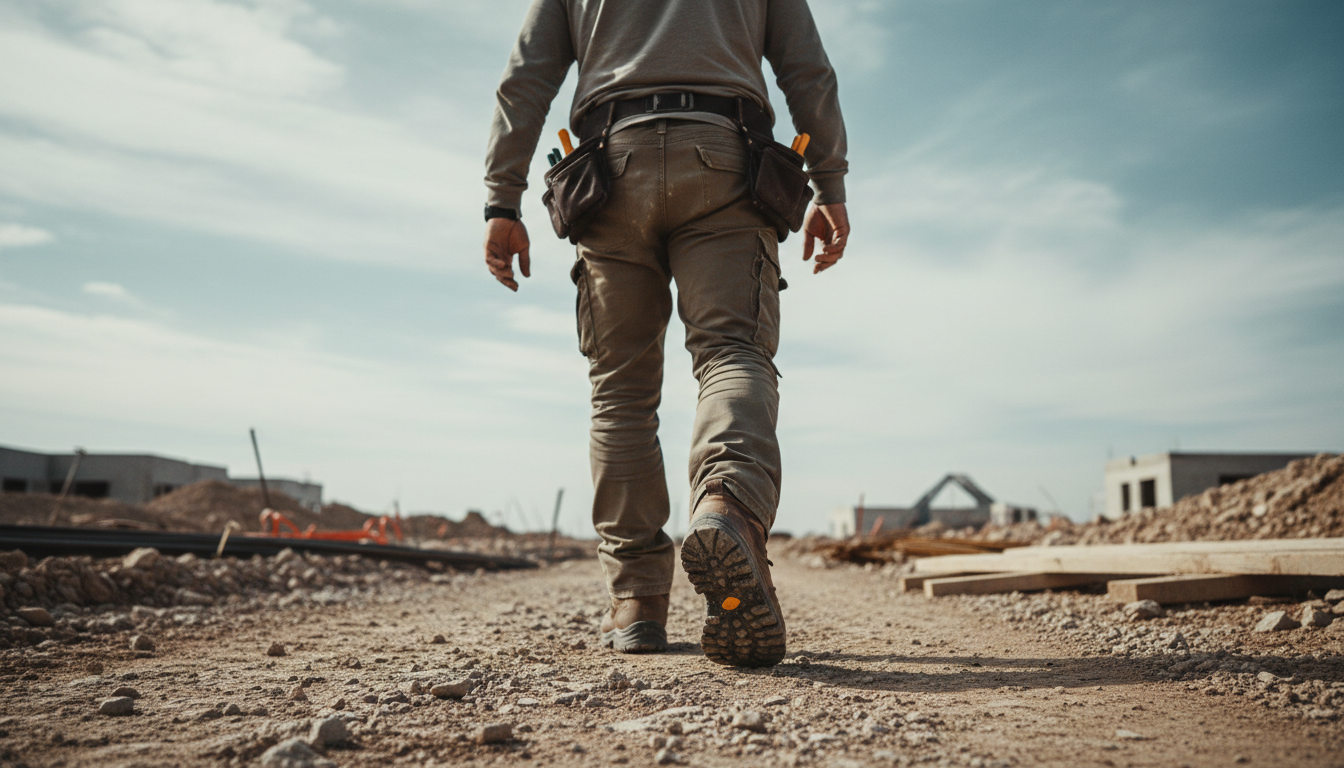
Outdoor workers face a multitude of challenges daily, but few are as consistently threatening as the dangers to their feet. Construction sites, forestry operations, mining locations, and other outdoor workplaces present constant hazards that can lead to serious foot injuries. From sharp objects and falling debris to extreme temperatures and wet conditions, protecting your feet isn’t just about comfort—it’s essential for safety, productivity, and long-term health.
According to the Bureau of Labor Statistics, foot injuries account for nearly 10% of all reported workplace injuries, with many resulting in lost workdays and diminished quality of life. What’s particularly concerning is that many of these injuries could have been prevented with proper foot protection. This article explores comprehensive strategies for protecting your feet in harsh working environments, with special attention to innovations like puncture resistant insoles and steel toe inserts that can significantly enhance your safety.
Understanding Common Foot Hazards in Outdoor Work Environments
Before discussing protection strategies, it’s important to understand what we’re protecting against. Outdoor work environments present a variety of foot hazards that vary by industry and setting:
- Puncture hazards: Nails, screws, glass, metal shards, and other sharp objects can penetrate standard footwear, causing serious injuries.
- Impact hazards: Falling tools, materials, and equipment can crush toes and cause severe trauma to the foot.
- Compression hazards: Heavy equipment rolling over the foot or materials being set down on feet can cause crushing injuries.
- Electrical hazards: Contact with live electrical sources can cause shocks or burns to the feet.
- Chemical hazards: Corrosive substances can damage footwear and harm the skin.
- Temperature extremes: Both extreme cold and heat can cause frostbite, burns, and other injuries.
- Moisture and water: Prolonged exposure to wet conditions can lead to fungal infections, blisters, and other foot ailments.
Recognition of these hazards is the first step in implementing appropriate protection strategies. Different work environments may prioritize different types of protection, but a comprehensive approach should address multiple risk factors simultaneously.
The Critical Role of Steel Toe Inserts and Puncture Resistant Insoles
Among the most innovative developments in foot protection technology are steel toe inserts for shoes and puncture resistant insoles. These products offer enhanced protection that complements traditional safety footwear or can upgrade regular work boots when specialized safety footwear isn’t available or practical.
Steel toe inserts are designed to retrofit into regular footwear, providing impact protection similar to built-in steel toe caps. They’re especially valuable for workers who might occasionally visit hazardous sites or who need temporary protection. While not always as comprehensive as purpose-built safety footwear, they offer a flexible solution that can be transferred between different pairs of shoes.
Nail proof insoles, also known as puncture resistant insoles, address one of the most common and dangerous workplace hazards: stepping on sharp objects. Traditional rubber or EVA foam insoles offer comfort but provide virtually no protection against punctures. Modern steel insoles and composite puncture-resistant insoles incorporate materials that significantly reduce or eliminate the risk of puncture wounds.
The best puncture resistant insoles like those from CRUVHEAL combine multiple protective layers with comfort features, ensuring workers don’t have to choose between safety and all-day wearability. These insoles typically use one of two approaches to puncture resistance:
- Steel plate technology: Thin, flexible steel plates embedded within the insole provide maximum puncture resistance.
- Composite materials: Layers of tightly-woven aramid fibers (similar to Kevlar) or other high-strength materials create a barrier against sharp objects while remaining more flexible than steel.
Both approaches have their advantages, with steel offering maximum protection against direct punctures and composite materials providing better flexibility and comfort for all-day wear.
Selecting the Right Safety Footwear for Your Working Conditions
Beyond insoles and inserts, the foundation of foot protection remains quality safety footwear. Different work environments demand different features in safety boots or shoes:
For construction and general outdoor work, look for footwear with these essential features:
- ASTM-rated safety toes (steel, composite, or aluminum)
- Oil and slip-resistant outsoles
- Electrical hazard (EH) protection
- Waterproof or water-resistant uppers
- Puncture-resistant midsoles or compatible with aftermarket puncture resistant insoles
- Ankle support to prevent sprains and twists
For extreme cold environments, additional features become critical:
- Insulation (typically measured in grams, with 400g to 1000g being common for cold weather work)
- Moisture-wicking liners to keep feet dry
- Sealed seams to prevent water and snow intrusion
- Taller heights to protect more of the leg
For hot conditions, breathability becomes paramount:
- Breathable mesh panels or perforations
- Moisture-wicking liners
- Lighter weight materials that still meet safety standards
- Heat-resistant outsoles for extremely hot surfaces
When standard safety footwear doesn’t meet all your needs, or when you need to enhance the protection of regular work boots, supplemental products like steel toe inserts for shoes and puncture resistant insoles can bridge the gap.
Implementation of Advanced Foot Protection with CRUVHEAL Insoles
For workers seeking to enhance their existing footwear with puncture protection, CRUVHEAL puncture resistant insoles offer a comprehensive solution that combines safety with all-day comfort. These innovative insoles feature multiple protective layers that prevent nails, screws, and other sharp objects from penetrating through to your feet, while still providing the support and cushioning needed for long shifts on hard surfaces.
The implementation process is straightforward:
- Select the correct size: Measure your current insoles or refer to shoe size charts to ensure proper fit.
- Remove existing insoles: Take out the factory insoles from your work boots or shoes.
- Trim if necessary: Most puncture resistant insoles can be trimmed to fit perfectly inside your footwear.
- Install the protective insoles: Place the new insoles in your footwear, ensuring they lay flat and don’t bunch up.
- Test before field use: Walk around in a safe environment to ensure comfort and proper fit before taking them to a worksite.
The key advantage of these specialized insoles is their ability to provide comprehensive protection without sacrificing comfort. Traditional steel insoles were often rigid and uncomfortable for all-day wear, but modern designs incorporate cushioning layers and ergonomic shapes that support the foot’s natural contours.
Best Practices for Daily Foot Care in Harsh Working Conditions
Even with the best protective gear, proper foot care remains essential for outdoor workers. Long hours in protective footwear can create its own challenges, from excessive sweating to pressure points and blisters. These practices can help maintain foot health despite harsh conditions:
- Wear appropriate socks: Moisture-wicking, cushioned work socks made from wool blends or technical synthetic fibers provide better protection than cotton, which retains moisture.
- Practice proper hygiene: Wash and thoroughly dry feet daily, paying special attention to the areas between toes where fungal infections often begin.
- Rotate footwear: When possible, alternate between two pairs of work boots to allow each pair to dry completely between uses.
- Address hot spots immediately: Apply moleskin or bandages at the first sign of friction to prevent blisters from forming.
- Use foot powder: Antifungal or moisture-absorbing foot powders can help keep feet dry throughout the workday.
- Inspect feet regularly: Check for cuts, blisters, or signs of infection, and address issues before they become serious problems.
- Maintain toenails: Keep toenails trimmed straight across to prevent ingrown toenails, which can be debilitating in a work environment.
These practices, combined with proper footwear and protective insoles, create a comprehensive approach to foot health and safety in demanding work environments.
Adapting Foot Protection for Seasonal Changes
Outdoor workers often face dramatically different conditions throughout the year, requiring adaptations to foot protection strategies. Seasonal considerations include:
Winter Protection:
Cold weather increases the risk of frostbite and cold-related injuries. Layer thermal socks under your work socks, and consider boots with insulation ratings appropriate for your climate. Waterproofing becomes even more critical, as wet feet lose heat much faster than dry feet. Steel toe inserts and metal steel insoles can conduct cold, so composite alternatives might be preferable in extreme cold.
Summer Protection:
Heat brings its own challenges, including increased sweating, expanded foot size, and heightened risk of fungal infections. Breathable footwear becomes essential, though never at the expense of safety features. Moisture-wicking socks and foot powders help manage perspiration, while more frequent footwear rotation prevents bacterial and fungal growth. Lighter-weight puncture resistant insoles can provide protection without adding unnecessary heat.
Rainy Season Adaptations:
Persistent wet conditions require waterproof (not just water-resistant) footwear, ideally with sealed seams and waterproof membranes. Extra pairs of socks become essential for midday changes if moisture penetrates your boots. Waterproof gaiters can provide additional protection against water entering from the top of boots. Notably, nail proof insoles can provide an additional barrier against water seeping through punctures in the outsole.
By adapting your foot protection strategy to seasonal changes, you ensure year-round safety without compromising comfort or performance.
Maximizing the Lifespan of Your Foot Protection Investments
Quality safety footwear and protective insoles represent a significant investment in your health and safety. Maximizing their lifespan ensures you get the most protection for your money:
- Clean regularly: Remove dirt, chemicals, and debris that can degrade materials. Follow manufacturer recommendations for cleaning products.
- Dry properly: Allow footwear to air dry naturally away from direct heat sources, which can damage adhesives and materials.
- Store correctly: Keep footwear in a clean, dry location away from extreme temperatures and direct sunlight.
- Apply conditioners: For leather work boots, regular conditioning prevents drying and cracking.
- Replace insoles strategically: Puncture resistant insoles typically last longer than comfort insoles, but should still be inspected regularly for damage or wear.
- Repair promptly: Address loose seams, sole separation, or other damage immediately before it compromises the boot’s protective capabilities.
- Know when to replace: Even the best safety footwear eventually loses its protective capabilities. Replace when you notice significant compression of cushioning, cracks in leather, separation of components, or visible damage to safety features.
Particularly with specialized items like steel toe inserts for shoes and puncture resistant insoles, regular inspection is crucial. Any visible damage, deformation, or penetration indicates the need for immediate replacement.
Conclusion: Creating a Complete Foot Protection Strategy
Effective foot protection for outdoor workers requires a multi-layered approach that combines quality safety footwear, specialized protective elements like puncture resistant insoles and steel toe inserts, appropriate socks, and diligent foot care practices. By understanding the specific hazards of your work environment and implementing comprehensive protection strategies, you can significantly reduce the risk of injury and ensure comfort throughout long workdays in harsh conditions.
Remember that foot injuries can have long-lasting consequences, potentially affecting your mobility, career, and quality of life for years to come. Investing in proper protection isn’t just a workplace requirement—it’s an investment in your future health and wellbeing.
For those looking to enhance their existing footwear with superior puncture protection, CRUVHEAL puncture resistant insoles offer an excellent balance of safety, comfort, and durability. These specialized insoles provide the peace of mind that comes from knowing you’re protected against one of the most common and dangerous workplace hazards, allowing you to focus on the job at hand rather than worrying about what might be underfoot.
By combining the right protective gear with proper care and maintenance, outdoor workers can keep their feet safe and comfortable even in the most challenging environments—because when it comes to workplace safety, every step matters.