
Foot Protection in the Workplace: Why Puncture Resistant Insoles and Steel Toe Inserts Are Non-Negotiable
March 3, 2026
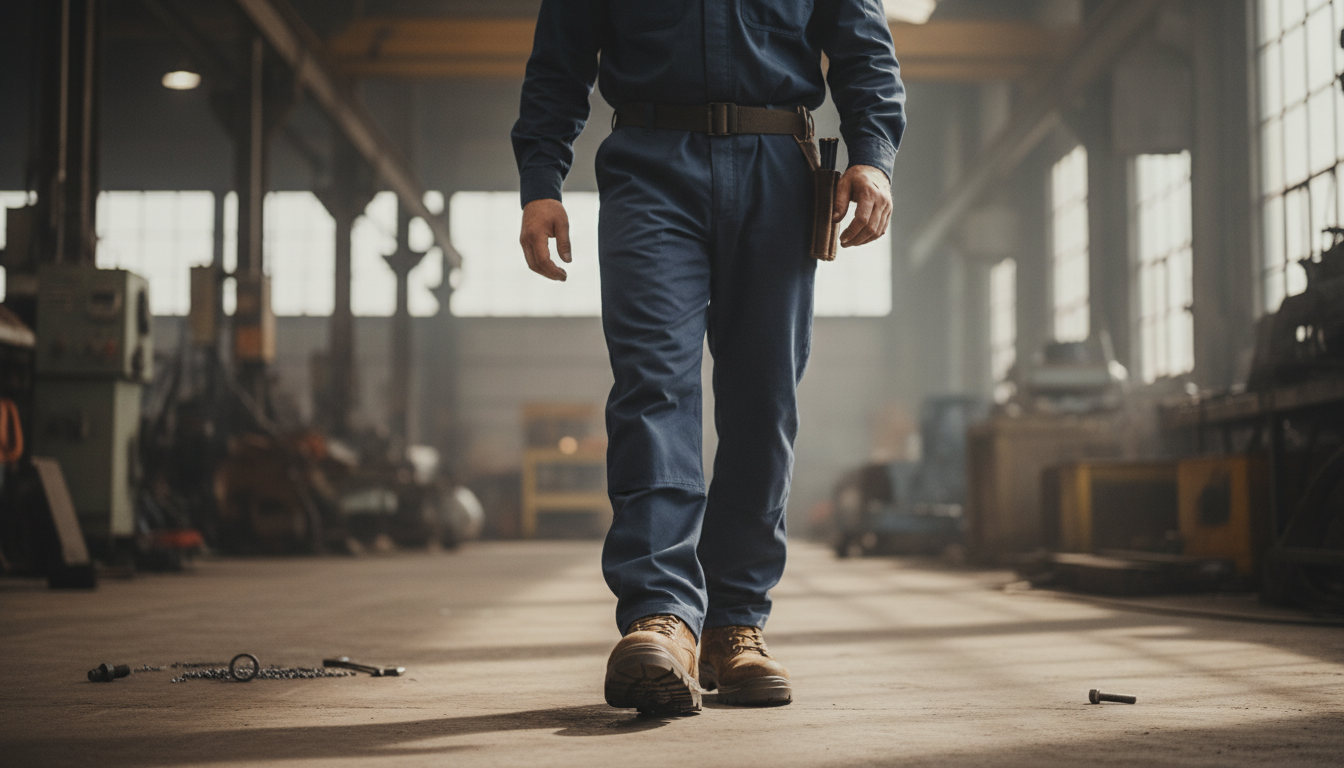
Workplace safety is a multifaceted concern, but foot protection often doesn’t receive the attention it deserves until an injury occurs. With the average person taking approximately 10,000 steps per day, our feet endure significant stress even in normal conditions. In hazardous work environments, the risks multiply exponentially. Sharp objects, heavy machinery, uneven surfaces, and falling materials all pose serious threats to foot safety. This article explores why foot protection isn’t just important—it’s absolutely non-negotiable in many workplace settings.
The Hidden Dangers to Your Feet in the Workplace
The workplace is filled with potential hazards that can cause serious foot injuries. Construction sites, manufacturing plants, warehouses, and even seemingly safe environments like kitchens or hospitals harbor dangers that can lead to devastating foot trauma. Understanding these risks is the first step toward proper protection.
Puncture injuries are particularly concerning. A study by the Bureau of Labor Statistics revealed that foot injuries account for approximately 10% of all reported workplace injuries, with puncture wounds making up a significant portion of these incidents. These injuries typically occur when workers step on sharp objects like nails, glass, metal shards, or other debris that can easily penetrate standard footwear.
Impact injuries represent another major concern. Heavy objects falling onto feet can cause crushing injuries, broken bones, and permanent disability. Even in environments without obvious hazards, the cumulative stress from standing on hard surfaces for extended periods can lead to chronic foot problems, including plantar fasciitis, heel spurs, and other debilitating conditions.
The Real Cost of Inadequate Foot Protection
The consequences of inadequate foot protection extend far beyond immediate pain and discomfort. Let’s examine the true cost of foot injuries in the workplace:
- Medical expenses: Treatment for serious foot injuries can include surgery, hospitalization, physical therapy, and ongoing medical care.
- Lost productivity: Foot injuries typically result in extended time away from work, affecting both the injured worker and overall workplace productivity.
- Workers’ compensation costs: Employers face increased insurance premiums and potential legal expenses.
- Long-term disability: Some foot injuries lead to permanent impairment, limiting future employment opportunities and quality of life.
- Psychological impact: Chronic pain and mobility limitations can contribute to depression and anxiety.
The National Safety Council estimates that the average cost of a workplace foot injury ranges from $9,600 for a simple incident to over $30,000 for severe injuries requiring surgery and extended rehabilitation. These figures don’t account for the immeasurable personal costs of pain, suffering, and potential lifestyle limitations.
Essential Foot Protection Solutions: Steel Toe Inserts and Puncture Resistant Insoles
Foot protection technology has evolved significantly, offering specialized solutions for various workplace hazards. Two of the most critical protective elements are steel toe inserts and puncture resistant insoles.
Steel toe inserts provide crucial protection against impact and compression injuries. These reinforced components can be integrated directly into safety footwear or added to regular shoes as separate inserts. Quality steel toe inserts for shoes can withstand impacts of up to 75 pounds dropped from a height of 3 feet—enough force to cause severe crushing injuries to unprotected feet.
Puncture resistant insoles represent another essential layer of protection. These specialized insoles contain materials specifically designed to prevent sharp objects from penetrating through the bottom of the shoe. High-quality nail proof insoles typically feature multiple layers of densely woven synthetic fibers or metal plates that distribute the force of a puncture attempt across a wider area, significantly reducing the risk of penetration.
The combination of steel toe protection and puncture resistant technology creates a comprehensive safety system for the most vulnerable areas of the foot. Modern CRUVHEAL puncture resistant insoles with steel toe inserts offer both features in a single, comfortable solution that can be easily integrated into existing footwear, providing superior protection against the most common workplace foot hazards.
Understanding Industry-Specific Foot Protection Requirements
Different industries present unique foot safety challenges, requiring specialized protection solutions. Here’s how foot protection needs vary across common workplace environments:
- Construction: Perhaps the most obvious high-risk environment, construction sites are littered with nails, screws, metal shards, and heavy materials. Workers need comprehensive protection including steel toe caps and puncture resistant insoles.
- Manufacturing: Factory floors often contain sharp metal shavings, and heavy machinery poses serious crush risks, necessitating both impact and penetration protection.
- Warehousing: Moving heavy inventory creates risks of falling objects, while packaging materials can leave sharp debris. Steel toe inserts are essential here.
- Healthcare: While not typically considered high-risk, healthcare environments present unique hazards including dropped medical instruments and needles, making nail proof insoles particularly important.
- Hospitality/Food Service: Kitchen environments combine slippery surfaces with sharp utensils and potential for falling objects, requiring specialized safety footwear.
Regardless of the specific industry, comprehensive foot protection should address three primary concerns: impact resistance, puncture protection, and proper support. The best solutions, like steel insoles with integrated puncture resistance, address multiple risk factors simultaneously while maintaining comfort for all-day wear.
Regulatory Standards and Compliance for Foot Protection
Workplace foot protection isn’t just a good idea—in many industries, it’s mandated by law. The Occupational Safety and Health Administration (OSHA) has established specific requirements regarding foot protection in hazardous environments. Standard 29 CFR 1910.136 specifically requires employers to ensure that each affected employee uses protective footwear when working in areas where there is a danger of foot injuries.
Beyond OSHA requirements, the American National Standards Institute (ANSI) provides detailed specifications for safety footwear. The ANSI Z41 standard (now incorporated into ASTM F2413) outlines specific performance requirements for protective footwear, including impact resistance, compression resistance, and puncture resistance.
For puncture resistant insoles to meet regulatory standards, they must typically withstand a force of at least 270 pounds applied through a standard test nail without penetration. Similarly, steel toe inserts must protect against impacts of 75 pounds dropped from a specific height without significant deformation.
Employers should be aware that providing proper foot protection isn’t optional in high-risk environments. Failure to comply with regulatory standards can result in significant fines, increased liability in the event of injury, and potential workers’ compensation issues. More importantly, compliance helps ensure that workers return home safely at the end of each day.
The Ergonomics of Steel Toe Inserts and Puncture Resistant Insoles
One common misconception about protective footwear is that safety must come at the expense of comfort. Modern technology has largely eliminated this tradeoff. Today’s steel insoles and puncture resistant solutions are designed with ergonomics and all-day wearability in mind.
Quality puncture resistant insoles feature multiple layers that work together to provide protection while maintaining flexibility. The top layers typically consist of comfortable, moisture-wicking materials that support proper foot positioning and prevent blisters. Middle layers provide cushioning and shock absorption, while the protective bottom layers prevent penetration without adding excessive weight or rigidity.
Steel toe inserts have also evolved significantly. Rather than the bulky, uncomfortable caps of the past, modern steel toe inserts for shoes are precision-engineered to provide maximum protection with minimal weight and bulk. Many feature anatomically correct designs that follow the natural contours of the foot, eliminating pressure points during extended wear.
The best products, like CRUVHEAL’s innovative protective solutions, combine these elements into integrated systems that provide comprehensive protection without compromising mobility or comfort. These advanced designs recognize that uncomfortable safety equipment often goes unworn, defeating its purpose entirely.
Beyond the Basics: Comprehensive Foot Safety Strategies
While puncture resistant insoles and steel toe inserts form the foundation of workplace foot protection, a comprehensive safety strategy encompasses additional elements:
Proper footwear selection is crucial. Safety shoes should match the specific hazards of the environment and provide proper fit and support. Even the best steel insoles can’t compensate for poorly fitting or inappropriate footwear.
Regular inspection and maintenance of protective equipment ensures continued effectiveness. Puncture resistant materials can degrade over time, especially when exposed to certain chemicals or excessive moisture. Steel toe inserts may become damaged after significant impacts, reducing their protective capabilities.
Workplace organization plays a vital role in preventing foot injuries. Proper housekeeping practices, including prompt cleanup of debris and spills, clear walkways, and organized tool storage, significantly reduce foot injury risks. The best nail proof insoles provide valuable protection, but eliminating hazards at the source remains the most effective prevention strategy.
Training and awareness ensure that workers understand both the risks they face and the importance of consistent protection. Many foot injuries occur when workers briefly remove protective equipment for comfort or convenience, highlighting the importance of creating a strong safety culture.
Making the Smart Investment in Foot Safety
When considering the cost of quality foot protection, it’s essential to view it as an investment rather than an expense. Premium puncture resistant insoles with integrated steel toe protection typically cost between $30-$60 per pair—a modest expenditure compared to the potential costs of a serious foot injury.
For employers, providing proper foot protection yields significant returns through reduced injury rates, lower workers’ compensation costs, decreased absenteeism, and improved productivity. For individual workers, investing in personal protection offers peace of mind and potential prevention of life-altering injuries.
The value proposition becomes even clearer when considering the longevity of quality protective equipment. Premium steel insoles and puncture resistant products can last 12-18 months with proper care, making their daily cost negligible compared to the protection they provide.
If you’re looking for a reliable solution that combines puncture resistance with impact protection, consider CRUVHEAL puncture resistant insoles. These innovative insoles integrate steel toe protection with advanced puncture-resistant materials, providing comprehensive safety in a comfortable, easy-to-use package that fits most standard footwear.
Conclusion: No Compromise on Foot Safety
The evidence is clear: foot protection in hazardous work environments is truly non-negotiable. The potential consequences of inadequate protection—physical pain, financial hardship, and long-term disability—far outweigh the minimal investment required for proper protective equipment.
Modern solutions like puncture resistant insoles and steel toe inserts provide comprehensive protection without sacrificing comfort or mobility. These innovations make it easier than ever to maintain proper foot safety in any work environment. By understanding the specific risks present in your workplace and selecting appropriate protective equipment, you can significantly reduce your risk of potentially devastating foot injuries.
Remember that consistent use is just as important as having the right equipment. The best steel toe inserts and nail proof insoles can only protect you when they’re actually being worn. Make foot protection a non-negotiable part of your daily work routine, and encourage the same commitment from coworkers and employees.
Your feet are literally your foundation—they deserve the best protection available. Invest in quality puncture resistant insoles and steel toe protection today, and take a significant step toward a safer, healthier workplace for yourself and those around you.