
Maximizing Safety in Hazardous Work Environments: The Critical Role of Puncture Resistant Insoles and Steel Toe Protection
February 24, 2026
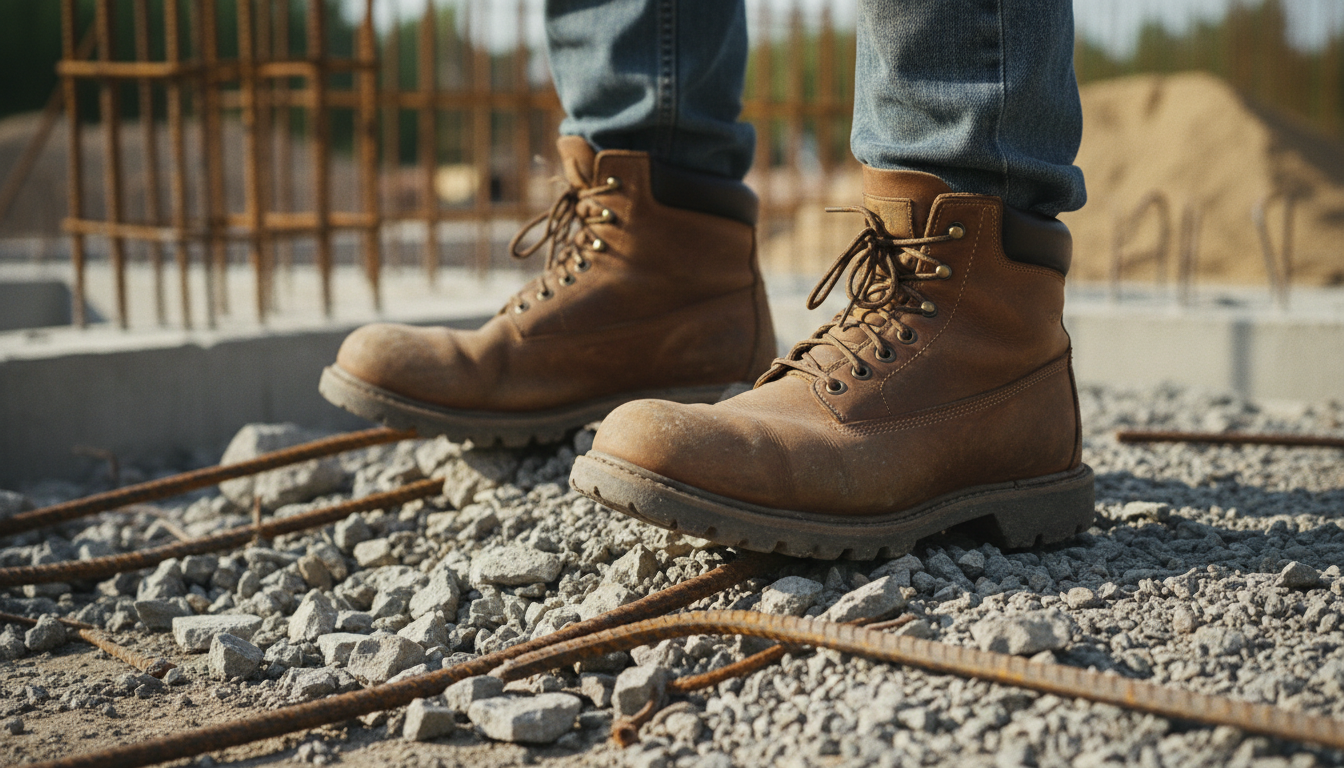
Working in hazardous environments presents numerous challenges that can compromise worker safety and well-being. From construction sites to manufacturing plants, industrial settings are fraught with potential dangers that require proper protective equipment. Among these hidden dangers, sharp objects pose a significant threat to workers’ feet, often overlooked until an accident occurs. This comprehensive guide explores the critical importance of foot protection in hazardous work environments, with a particular focus on puncture resistant insoles, steel toe inserts, and other protective measures that can prevent serious injuries.
Understanding the Hidden Dangers in Industrial Workplaces
Industrial workplaces are rife with hazards that may not be immediately visible but can cause severe injuries. According to the Bureau of Labor Statistics, foot injuries account for approximately 10% of all reported workplace injuries, with many resulting from punctures, crushing impacts, or lacerations. These injuries often lead to extended periods of disability, reduced productivity, and significant medical costs.
In construction environments, nails, screws, metal shards, and glass fragments litter work areas, presenting constant puncture hazards. Manufacturing facilities contain sharp metal scraps, while warehouses may have broken pallets with protruding nails. Even seemingly safe environments like offices can have hidden dangers during renovations or maintenance work.
Many workers mistakenly believe that standard work boots provide adequate protection against all foot hazards. However, conventional footwear often lacks the specialized protection needed to prevent puncture injuries, particularly to the sole of the foot. This misunderstanding leads to preventable injuries that can have long-lasting consequences.
The Science Behind Puncture Resistant Insoles
Puncture resistant insoles are engineered specifically to prevent sharp objects from penetrating the bottom of footwear and injuring the foot. Unlike standard insoles that focus primarily on comfort, these specialized inserts incorporate materials and design features that create a protective barrier between hazards and the wearer’s foot.
Modern nail proof insoles typically utilize one of several technologies:
- Layered aramid fibers (similar to Kevlar) that trap and deflect puncturing objects
- Stainless steel plates that prevent penetration from nails and similar hazards
- Composite materials that combine flexibility with puncture resistance
- Carbon fiber inserts that provide lightweight protection without sacrificing comfort
- Specially woven textiles that distribute force across a wider area to prevent penetration
The effectiveness of puncture resistant insoles is measured by their ability to withstand specific amounts of force. High-quality options can resist penetration from forces exceeding 1,200 newtons, which is sufficient to stop most common workplace hazards. This level of protection significantly reduces the risk of puncture injuries that can lead to infections, nerve damage, and prolonged recovery periods.
Steel Toe Inserts: Additional Protection for Vulnerable Areas
While puncture resistant insoles protect against objects penetrating from below, steel toe inserts for shoes address another critical vulnerability: impact and compression injuries to the toes. These injuries commonly occur when heavy objects fall onto the foot or when the foot is caught between compressing surfaces.
Steel toe inserts serve as a crucial barrier, capable of withstanding significant impact forces. These protective devices distribute impact energy across their surface rather than allowing it to be concentrated on the delicate bones and tissues of the toes. Modern steel toe inserts are designed to meet specific safety standards, typically withstanding impacts of up to 75 foot-pounds and compression loads of 2,500 pounds.
The advantages of steel toe inserts include:
- Superior protection against heavy falling objects
- Resistance to crushing forces that could otherwise cause severe bone and tissue damage
- Durability that ensures consistent protection throughout the workday
- Compatibility with various footwear styles, allowing for retrofitting existing shoes
- Cost-effectiveness compared to purchasing dedicated steel toe boots for occasional hazardous work
For workers who don’t regularly require steel toe protection but occasionally enter hazardous areas, steel toe inserts for shoes provide a flexible solution that doesn’t necessitate investing in specialized footwear. This adaptability makes them particularly valuable for supervisors, inspectors, and visitors who may periodically need enhanced protection.
Integrating Steel Insoles into a Comprehensive Foot Protection Strategy
Effective foot protection in hazardous environments requires a multi-layered approach that addresses various potential injuries. Steel insoles serve as an essential component of this strategy, working alongside other protective elements to provide comprehensive safety coverage.
A complete foot protection strategy should consider the following elements:
Appropriate Footwear Selection: The foundation of foot protection begins with selecting appropriate footwear for specific work environments. Different industries have varying hazards that may require waterproof boots, chemical-resistant materials, electrical hazard protection, or slip-resistant soles. The base footwear should meet relevant industry standards while providing comfort for extended wear.
Puncture Protection: Quality puncture resistant insoles should be incorporated to protect against sharp objects penetrating from below. These insoles should cover the entire sole area and be flexible enough to allow normal walking motion without discomfort. The CRUVHEAL puncture resistant insoles offer superior protection while maintaining comfort throughout long work shifts.
Impact Protection: Steel toe inserts or built-in toe caps protect against impact and compression injuries. For maximum effectiveness, these protective elements should meet ASTM F2413 standards or equivalent international certifications that ensure they can withstand specified impact and compression forces.
Comfort Features: Protective equipment is only effective if workers consistently use it. Ergonomic design, proper sizing, and comfort features like arch support and shock absorption encourage compliance with safety protocols by making protective gear more pleasant to wear throughout the workday.
Common Workplace Scenarios Requiring Enhanced Foot Protection
Understanding specific workplace scenarios that present elevated risks helps workers and safety managers identify when enhanced foot protection measures, including puncture resistant insoles and steel toe inserts, are most critical.
Construction sites during the framing and demolition phases present particularly high risks for foot punctures. As structures are built or dismantled, nails, screws, and metal fasteners often become dislodged and scattered across walking surfaces. Workers moving between different areas of the site may not always see these hazards, especially in low-light conditions or when carrying materials that obstruct their view.
Manufacturing environments with metal fabrication processes generate sharp metal shavings and scraps that can easily penetrate standard work boots. These tiny, razor-sharp fragments can cause serious injuries that may not be immediately apparent but can lead to infections if not properly treated.
Recycling facilities represent another high-risk environment where workers encounter broken glass, jagged metal, and other sharp debris. The unpredictable nature of materials being processed makes puncture resistant insoles essential for anyone working in or visiting these facilities.
Emergency response scenarios often involve entering damaged structures with exposed nails, broken glass, and other puncture hazards. First responders benefit greatly from nail proof insoles that allow them to focus on their critical tasks without worrying about foot injuries from unseen dangers.
Selecting the Right Puncture Resistant Solution for Your Needs
With various puncture resistant and steel toe protection options available, selecting the right solution requires careful consideration of several factors specific to your work environment and personal needs.
When evaluating puncture resistant insoles, consider the following criteria:
- Protection level: Look for products that meet ASTM F2413-18 standards for puncture resistance
- Coverage area: Ensure the insole protects the entire plantar surface of the foot
- Flexibility: The insole should allow natural foot movement without excessive stiffness
- Thickness: Consider how the added thickness will affect the fit of your existing footwear
- Durability: Quality insoles should maintain their protective properties for extended periods
For steel toe inserts or steel toe inserts for shoes, evaluate:
- Impact rating: Higher ratings provide protection against heavier falling objects
- Compression rating: Ensures protection when the foot is caught between compressing surfaces
- Weight: Lighter options reduce fatigue during extended wear
- Fit: The insert should match your foot shape without causing pressure points
- Compatibility: Ensure the insert works with your existing footwear without compromising comfort
The CRUVHEAL puncture resistant insoles offer an excellent balance of these features, providing industrial-grade protection while maintaining comfort for all-day wear. Their innovative design incorporates multiple protective layers without the bulk and discomfort associated with older puncture protection technologies.
Maintenance and Inspection of Protective Foot Equipment
Even the highest quality protective equipment requires proper maintenance and regular inspection to ensure continued effectiveness. Developing routine maintenance habits extends the life of your protective gear while confirming it remains capable of preventing injuries.
Establish a regular schedule for inspecting your puncture resistant insoles and steel toe inserts. Look for signs of wear, penetration, or damage that might compromise their protective capabilities. Pay particular attention to the areas that receive the most stress during normal use, as these are likely to deteriorate first.
Clean protective insoles according to manufacturer recommendations. Some materials may degrade when exposed to certain cleaning chemicals, potentially reducing their protective properties. Generally, mild soap and water are sufficient for removing dirt and debris without damaging protective elements.
Replace protective equipment when it shows signs of significant wear or after it has prevented a serious injury. Once a puncture resistant insole has stopped a nail or other sharp object, its protective capacity in that area may be compromised, even if the damage isn’t visibly apparent.
Document inspection results and replacement dates as part of your personal safety records. This documentation can be valuable for workplace safety compliance and helps establish patterns that might indicate when replacement is typically needed based on your specific working conditions.
Conclusion: Investing in Foot Protection as Preventive Healthcare
The true value of high-quality foot protection extends far beyond regulatory compliance; it represents an investment in preventive healthcare that pays dividends throughout a worker’s career and life. Puncture wounds and crushing injuries to the feet can have consequences that extend for years, affecting mobility, comfort, and quality of life.
By incorporating puncture resistant insoles, steel toe inserts, and other protective measures into your daily work routine, you’re not just preventing immediate injuries—you’re protecting your future mobility and health. The relatively small investment in quality protective equipment like CRUVHEAL products provides insurance against potentially life-changing injuries.
Remember that foot protection is most effective when it becomes a consistent habit rather than an occasional consideration. Make proper foot protection part of your daily preparation for work, just like any other essential safety equipment. Your future self will thank you for the care and attention you give to protecting your feet today.
For industrial workers, construction professionals, emergency responders, and anyone else who faces potential foot hazards, investing in proper protection isn’t optional—it’s essential. Take the time to assess your specific needs, select appropriate protective equipment, and maintain it properly to ensure it continues providing the protection you depend on every day.