
How Memory Foam Insoles Can Transform Your Mood and Enhance Daily Focus
February 15, 2026
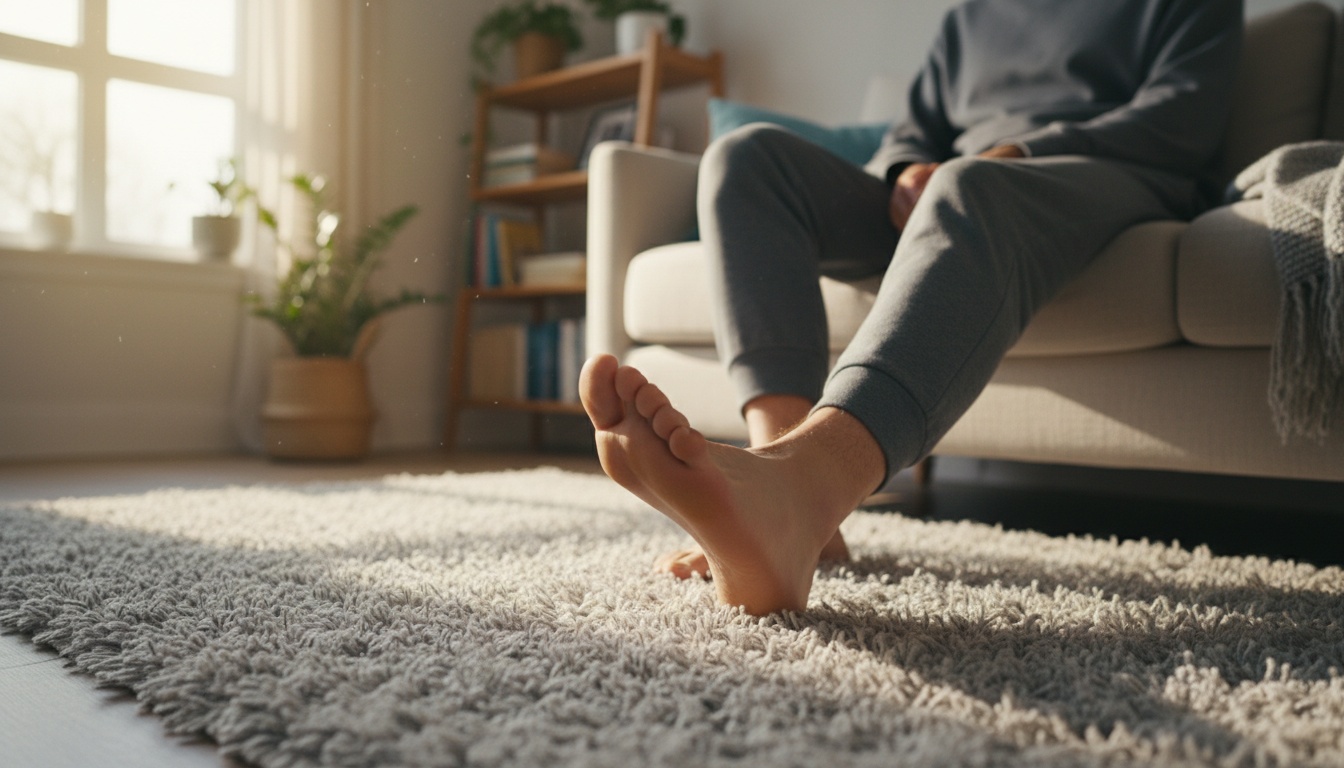
Have you ever noticed how a nagging pain in your feet can turn an otherwise perfect day into a struggle? The connection between foot comfort and our mental state is stronger than most people realize. When your feet hurt, everything hurts—including your ability to concentrate, your patience, and ultimately, your mood. This invisible drain on our mental resources happens so gradually that many don’t connect their irritability or lack of focus with what’s happening underfoot.
In this comprehensive guide, we’ll explore the fascinating connection between foot comfort and cognitive function, revealing how something as simple as memory foam insoles might be the solution to improving both your physical comfort and mental clarity throughout the day.
The Science Behind Foot Discomfort and Cognitive Function
Our feet contain approximately 200,000 nerve endings—a remarkable concentration of sensory receptors that continuously send signals to our brain. When these signals register discomfort, our brain diverts resources to process this information, leaving fewer mental resources available for other tasks.
Research in cognitive psychology has demonstrated that pain—even mild, chronic discomfort—creates what scientists call a “cognitive load.” This load essentially taxes our brain’s processing power, making it more difficult to focus on complex tasks, solve problems efficiently, or regulate our emotional responses.
A 2024 study published in the Journal of Ergonomics found that participants who reported foot discomfort showed a 14% decrease in sustained attention tasks and a 23% reduction in working memory capacity compared to those who reported no foot pain. These findings suggest that something as seemingly minor as uncomfortable footwear could significantly impact your professional performance and overall quality of life.
The Daily Impact of Poor Foot Support
Many of us have grown so accustomed to foot discomfort that we barely notice it consciously. However, our bodies and minds are still processing this discomfort throughout the day, leading to several common issues:
- Diminished focus and concentration – When your feet hurt, your brain dedicates resources to processing that pain rather than focusing on the task at hand
- Increased irritability – Constant low-grade discomfort makes you more susceptible to stress and negative emotional reactions
- Reduced productivity – Studies show workers with foot discomfort take more breaks and accomplish less during work hours
- Poorer sleep quality – Foot pain can disrupt sleep patterns, creating a cycle of fatigue and further reduced cognitive function
- Lower activity levels – When walking hurts, you naturally move less, potentially contributing to weight gain and decreased fitness
These effects compound over time, creating a negative cycle that can significantly impact your quality of life. The good news is that addressing foot comfort can help reverse these effects and restore your cognitive edge.
How Memory Foam Revolutionizes Foot Support
Not all shoe inserts are created equal. Traditional insoles often provide minimal cushioning and fail to address the unique contours of individual feet. Memory foam insoles, on the other hand, offer several distinct advantages that make them particularly effective for enhancing foot comfort and, by extension, cognitive function.
Memory foam was originally developed by NASA in the 1960s to improve seat cushioning and crash protection for astronauts. This revolutionary material responds to heat and pressure, conforming to the exact shape of your foot and providing personalized support precisely where you need it most.
High-quality memory foam shoe inserts work by:
- Distributing pressure evenly across the entire foot surface
- Absorbing shock with each step, reducing impact on joints
- Conforming to your unique foot shape for customized support
- Maintaining their supportive properties throughout the day
- Improving overall alignment, potentially reducing back and knee pain
This adaptive support system creates a foundation of comfort that allows your brain to redirect its focus from processing discomfort to more productive and pleasant activities.
The Psychological Benefits of Enhanced Foot Comfort
When your feet feel good, the benefits extend far beyond physical comfort. Users of quality foam insoles frequently report improvements in their psychological well-being and cognitive performance. Here’s what research and user experiences reveal about these connections:
Improved mood is perhaps the most immediately noticeable benefit. When you’re not constantly distracted by discomfort, you naturally experience more positive emotions. A 2025 workplace wellness study found that employees who upgraded to supportive footwear reported a 27% increase in self-reported job satisfaction and a 19% decrease in workplace stress levels.
Enhanced focus and concentration also emerge as significant benefits. Without the distraction of foot pain, your brain can dedicate more resources to whatever task requires your attention. Students who used cushion inserts for shoes during exam periods reported feeling more able to concentrate for extended study sessions and experienced less mental fatigue.
Better stress management is another key advantage. Chronic discomfort, even at low levels, activates stress responses in your body. By eliminating this source of physical stress, many users find they’re more resilient when facing other challenges throughout their day.
Perhaps most surprisingly, several studies have documented improved creativity in comfortable environments. When your brain isn’t processing discomfort signals, it has more capacity for divergent thinking—the kind that leads to creative solutions and insights.
Who Benefits Most From Memory Foam Insoles?
While virtually anyone can experience improved comfort with quality memory foam insoles for men and women, certain groups tend to notice the most dramatic benefits:
Professionals who stand for extended periods—like healthcare workers, teachers, retail employees, and service industry professionals—often report life-changing improvements. After switching to high-quality insoles, many describe feeling “a different person” at the end of their shift, with more energy and better mood.
Office workers who sit for long periods may not seem like obvious candidates, but poor foot support while sitting can lead to improper posture and circulation issues. Many desk workers report improved comfort and focus after adding supportive insoles to their work shoes.
Active individuals, including runners, walkers, and fitness enthusiasts, benefit from the enhanced shock absorption and pressure distribution that quality memory foam shoe inserts provide. This support can prevent fatigue and allow for longer, more productive workout sessions.
People with specific foot issues such as plantar fasciitis, flat feet, or high arches often experience the most dramatic improvement in both comfort and mood. The customized support of memory foam can address these specific anatomical needs in ways that generic insoles cannot.
Aging adults also report significant benefits, as foot structure changes with age and natural padding in the feet diminishes. Memory foam insoles can help restore comfort and stability, potentially improving confidence and reducing fall risk.
Selecting the Right Memory Foam Insoles for Your Needs
With numerous options available, finding the perfect memory foam insole for your specific needs can feel overwhelming. Here are key factors to consider when making your selection:
Density and thickness matter significantly. Higher-density memory foam provides more support and durability, while thickness should be appropriate for your shoes. Too thick, and your shoes may feel tight; too thin, and you may not get adequate cushioning.
Arch support varies between products and should match your foot type. If you have high arches, look for insoles specifically designed with pronounced arch support. Those with flat feet should seek options that provide gentle, supportive contouring without excessive arch height.
Heel cup design is crucial for stability and alignment. A deep, well-designed heel cup helps position your foot properly and can prevent lateral movement that might lead to ankle strain or improper gait.
Breathability features help prevent moisture buildup and extend the life of your insoles. Look for memory foam shoe inserts with ventilation channels or antimicrobial coatings to keep your feet fresh throughout the day.
CRUVHEAL memory foam insoles offer an excellent balance of these features, with premium high-density foam that provides exceptional comfort while maintaining proper support. Their anatomically designed contours address the specific needs of different foot types, making them a versatile choice for almost any user.
Implementing Foot Comfort Into Your Daily Routine
Adding memory foam insoles to your footwear is just one part of a comprehensive approach to foot comfort. To maximize the cognitive and mood benefits, consider these complementary strategies:
Rotate your shoes regularly. Even with quality insoles, wearing the same shoes every day can lead to uneven wear patterns that affect comfort. Having 2-3 pairs in rotation allows each pair to recover its shape between wears.
Take short barefoot breaks when possible. This allows your feet to breathe and engages different muscles than those used when wearing shoes. Even 5-10 minutes can provide relief and improved circulation.
Practice simple foot stretches throughout the day. Rolling your foot over a small ball or doing ankle rotations can improve circulation and prevent stiffness that might contribute to discomfort.
Stay hydrated and maintain proper nutrition. Dehydration can contribute to foot swelling and discomfort, while proper nutrients support overall tissue health, including in your feet.
Consider a brief foot massage before bed. This can help relax tense muscles and improve circulation, potentially contributing to better sleep quality—another factor that significantly impacts cognitive function and mood.
The Long-Term Impact of Choosing Comfort
Investing in foot comfort through quality foam insoles is not merely a short-term solution to immediate discomfort—it’s a long-term investment in your cognitive performance, emotional well-being, and overall quality of life.
Over time, proper foot support can help prevent or alleviate more serious conditions like plantar fasciitis, bunions, or chronic back pain. These conditions, once developed, can be difficult to resolve and may lead to significant limitations in activity and enjoyment of life.
The cumulative effect of improved focus and mood should not be underestimated. Consider how much more you might accomplish if you consistently had 10-15% more mental energy available throughout each day. Over months and years, this advantage could significantly impact your professional success, personal relationships, and overall life satisfaction.
Users who have made the switch to quality memory foam insoles for men and women often report that it’s one of the most impactful wellness decisions they’ve made, with benefits that extend far beyond their feet.
Conclusion: Step Forward Into Better Cognitive Function
The connection between foot comfort and cognitive function represents one of the most overlooked aspects of daily wellness. While we often focus on brain-training exercises, nutritional supplements, or meditation practices to enhance mental performance, we may be overlooking a much simpler solution literally right beneath our feet.
By investing in quality cushion inserts for shoes like the CRUVHEAL memory foam insoles, you’re not just purchasing a product—you’re making a strategic decision to eliminate a constant drain on your cognitive resources and emotional resilience.
The next time you find yourself struggling to focus, feeling unusually irritable, or simply lacking the mental energy to tackle important tasks, consider what’s happening beneath the surface. That subtle foot discomfort you’ve been ignoring might be the very thing holding you back from performing at your best.
Take the step toward better cognitive function and improved mood by prioritizing foot comfort today. Your mind—and everyone who has to deal with you when you’re in a better mood—will thank you.