
The Long-Term Impact: How Arch Collapse Affects Your Knees and Hips When Walking Without Proper Insoles
February 11, 2026
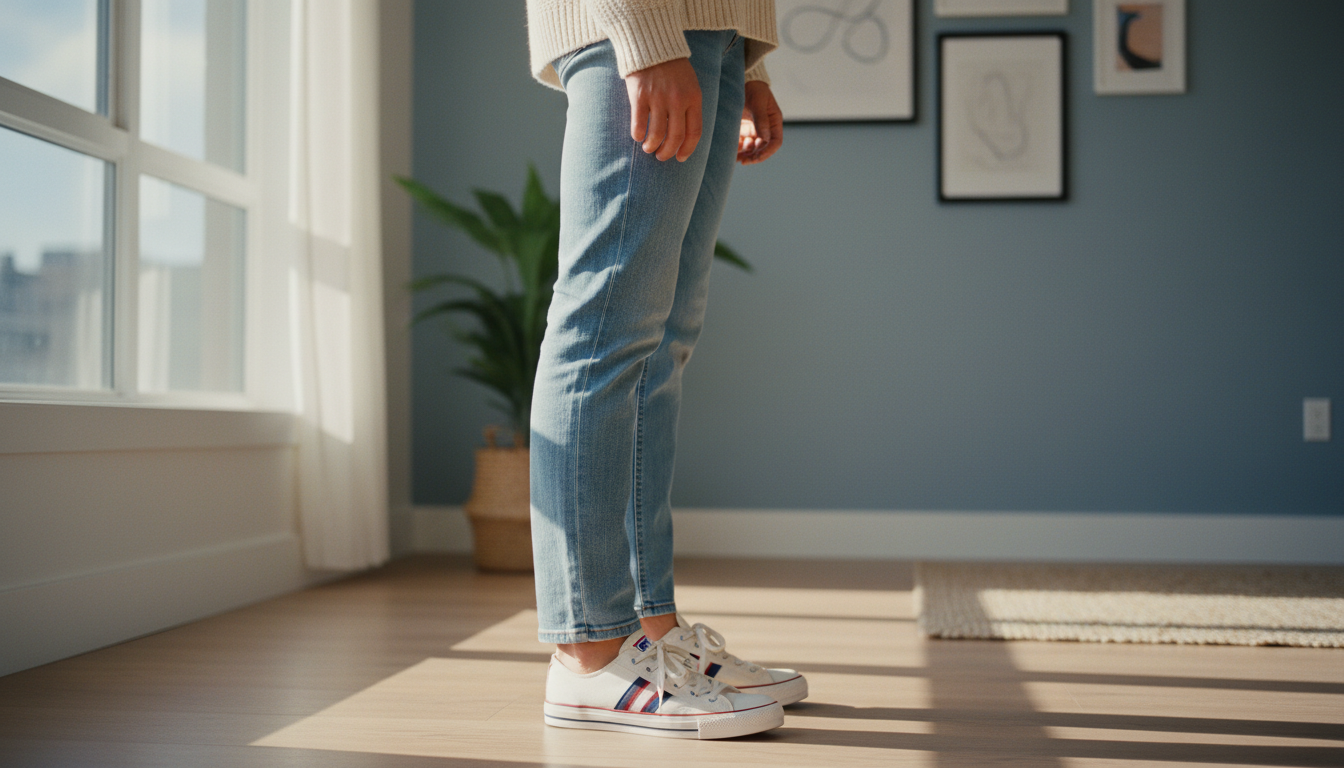
Walking is something most of us take for granted until problems arise. For many men, the silent collapse of foot arches happens gradually, often without notice – until pain appears not just in the feet, but surprisingly in the knees and hips as well. This biomechanical chain reaction explains why so many people experience seemingly unrelated joint issues that actually stem from inadequate foot support.
Understanding how fallen arches affect your entire skeletal alignment is crucial for preventing long-term damage. When arches collapse, it’s not just a foot problem – it’s the beginning of a domino effect that travels upward through your body. This comprehensive guide explores the connection between arch support and joint health, offering insights into how the right insoles can make all the difference in your long-term mobility and comfort.
Understanding Foot Arches and Their Critical Function
Your feet are marvels of engineering, with each foot containing 26 bones, 33 joints, and more than 100 muscles, tendons, and ligaments. The arches of your feet are designed to distribute your body weight evenly across your feet and legs while providing essential shock absorption with every step. Think of your arches as nature’s built-in suspension system.
The three main foot arches include:
- Medial longitudinal arch – The most prominent arch running along the inner edge of your foot
- Lateral longitudinal arch – The outer edge arch providing stability
- Transverse arch – The arch that runs across the middle of your foot
When these architectural wonders function properly, they absorb up to 3-4 times your body weight during activities like running and jumping. However, when arches begin to collapse or flatten (a condition known as pes planus or flat feet), this shock-absorbing capacity diminishes dramatically. The result? Forces that should be absorbed by your feet instead travel upward, creating excess stress on your ankles, knees, hips, and even your lower back.
The Biomechanical Chain Reaction: From Feet to Hips
To understand how fallen arches affect your entire lower body, we need to examine the biomechanical chain reaction that occurs with each step. Your body functions as an interconnected system where one misalignment inevitably affects everything above it. This explains why flat feet or collapsed arches can manifest as pain in seemingly unrelated areas.
Here’s how the domino effect typically progresses:
- Arch collapse and pronation – When arches fall, feet typically roll inward (overpronate), causing the ankles to drop
- Tibial rotation – This inward rotation of the ankles forces the shin bones (tibia) to rotate internally
- Knee misalignment – Tibial rotation creates stress on the knee joints, often resulting in them pointing inward (knock knees)
- Hip compensation – To maintain balance, the hips must compensate for the knee misalignment, often leading to internal rotation
- Pelvic tilt – The hip rotation can cause pelvic tilting, affecting the lumbar spine
Research has shown that individuals with flat feet experience significantly more knee pain and hip discomfort over time. A study published in the Journal of Foot and Ankle Research found that participants with fallen arches were 1.3 times more likely to develop knee osteoarthritis than those with normal arches.
Early Warning Signs Your Arches Are Affecting Your Joints
Most men don’t realize their arch problems are causing joint issues until significant discomfort develops. Recognizing the early warning signs can help you address these problems before they become chronic conditions. Pay attention if you experience any of the following symptoms:
- Fatigue or aching in your feet after standing or walking for moderate periods
- Knee pain that worsens when walking down stairs or after sitting for extended periods
- Unexplained hip discomfort, particularly on the outer side of the hip
- Uneven wear patterns on your shoes (typically more wear on the inside edge)
- Lower back pain that develops after long periods of standing or walking
- A feeling of instability when walking on uneven surfaces
Perhaps the most telling sign is when you notice relief from knee or hip pain after sitting or lying down, only to have it return once you resume weight-bearing activities. This pattern strongly suggests the root cause is mechanical rather than inflammatory, pointing to potential arch-related issues.
The Long-Term Joint Consequences of Unsupported Arches
When left unaddressed, fallen arches create a cascade of joint problems that worsen over time. The human body is remarkably adaptable in the short term, but these compensatory mechanisms eventually break down, leading to more serious conditions. Let’s examine the potential long-term consequences for each major joint:
Knee Joint Impact
The knees bear the brunt of arch collapse, as they’re the first major joint in the kinetic chain above your feet. When your arches fall, excessive pronation often results in your knees rotating inward with each step. This internal rotation places tremendous stress on the medial (inner) compartment of your knee joint and the medial collateral ligament (MCL).
Over time, this can lead to:
- Premature wearing of cartilage in the knee joint (osteoarthritis)
- Patellofemoral pain syndrome (runner’s knee)
- Increased risk of meniscus tears
- Iliotibial (IT) band syndrome
Hip Joint Consequences
Your hips must compensate for the misalignment below, creating a secondary set of problems. The internal rotation of the leg caused by flat feet forces the hip into an awkward position with each step. This abnormal movement pattern can create significant wear and tear over time.
Common hip issues stemming from arch problems include:
- Hip impingement (when the ball of the femur rubs abnormally against the hip socket)
- Bursitis (inflammation of the fluid-filled sacs that cushion your joints)
- Early-onset hip osteoarthritis
- Hip flexor strain from compensatory movements
A landmark study published in the American Journal of Sports Medicine found that individuals with flat feet were 35% more likely to develop hip pain by age 60 compared to those with normal arch structure. This statistic demonstrates the clear connection between arch support and long-term hip health.
How Quality Insoles Create a Foundation for Joint Health
The good news is that many arch-related joint problems can be prevented or mitigated with proper foot support. High-quality shoe insoles men can benefit from provide the necessary structural reinforcement to maintain proper alignment throughout the kinetic chain. Unlike generic drugstore options, premium boot insoles for men are designed with specific anatomical considerations in mind.
Effective insoles work by:
- Controlling pronation – They prevent excessive inward rolling of the foot
- Redistributing pressure – They spread weight-bearing forces more evenly across your foot
- Providing shock absorption – They reduce impact forces that would otherwise travel up to your knees and hips
- Supporting natural arch height – They maintain your foot’s optimal structural position
- Improving overall alignment – They help keep your entire lower body in proper biomechanical alignment
When selecting shoe inserts men should look for options with arch support specifically designed for their foot type. Those with high arches need different support than those with flat feet, making proper assessment crucial. Additionally, materials matter – insoles with a combination of firm support and cushioning tend to provide the best results for joint protection.
For those dealing with the painful symptoms of plantar fasciitis, specialized plantar fasciitis insoles from CRUVHEAL offer targeted support to reduce strain on the plantar fascia while simultaneously correcting alignment issues that affect the knees and hips. These orthotic insoles provide the comprehensive support needed to break the cycle of pain and prevent future joint issues.
Identifying Your Arch Type and Support Needs
Before investing in insoles, it’s important to understand your specific arch type and support needs. There are three basic arch types, each requiring different levels of support:
- Normal arches – These distribute weight evenly and typically require moderate support to maintain their natural shape
- High arches (pes cavus) – These provide less natural shock absorption and benefit from cushioned insoles with arch support
- Low arches or flat feet (pes planus) – These need substantial arch support to prevent overpronation
A simple way to determine your arch type is the “wet foot test.” Step out of a shower onto a piece of cardboard or paper bag and examine your footprint:
- If you see about half of your arch, you likely have a normal arch
- If you see very little of your arch (just your heel and ball of foot), you likely have high arches
- If you see most or all of your foot, you likely have flat feet or low arches
For those with significant arch issues or chronic joint pain, consulting with a podiatrist can provide a more precise assessment. They can perform gait analysis and recommend the optimal type of support for your specific needs.
Lifestyle Modifications to Support Joint Health
While quality shoe insoles men can greatly benefit from are an essential part of joint protection, complementary lifestyle modifications can enhance their effectiveness. Consider implementing these additional strategies:
- Footwear selection – Choose shoes with adequate support, proper cushioning, and enough room for insoles
- Strength training – Target the muscles that support your arches, such as the tibialis posterior and intrinsic foot muscles
- Flexibility work – Regular stretching of your calves, hamstrings, and hip flexors helps maintain proper alignment
- Weight management – Excess weight places additional stress on your arches and joints
- Surface awareness – When possible, walk on softer surfaces like grass or dirt trails rather than concrete
Many physical therapists recommend specific exercises to strengthen the arch-supporting muscles. Simple movements like towel curls (curling your toes to pull a towel toward you) and marble pickups (using your toes to pick up marbles) can significantly improve arch strength and stability over time.
Conclusion: Investing in Arch Support Is Investing in Your Future Mobility
The connection between arch support and joint health is clear – what happens at your feet doesn’t stay at your feet. The cascading effect of collapsed arches travels upward, potentially creating problems in your knees and hips that worsen over time. By understanding this biomechanical relationship and taking proactive measures with proper insoles and supportive footwear, you can protect your joints for years to come.
Quality shoe insoles men can integrate into their daily footwear provide much more than immediate comfort – they’re an investment in long-term mobility and quality of life. Whether you’re dealing with existing joint pain or hoping to prevent future issues, addressing arch support should be a priority in your overall health strategy.
Remember that joint problems typically develop gradually over years of improper support and alignment. By making the right choices now with targeted support from boot insoles for men designed for your specific needs, you’re taking a crucial step toward maintaining active, pain-free movement well into the future.