
Why Hard Floors Cause Muscle Fatigue: Finding Relief with Work Boot Insoles
February 9, 2026
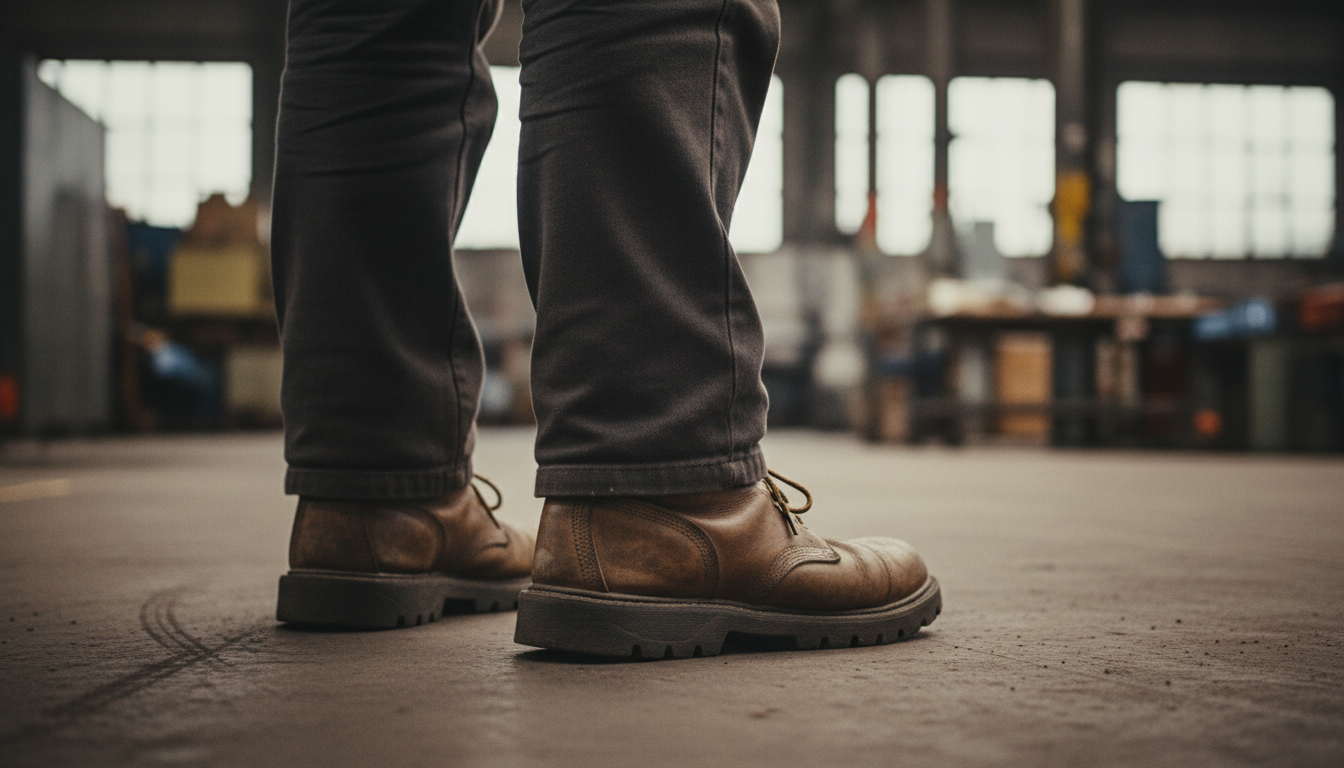
If you’ve ever worked a full shift standing on concrete or tile floors, you know that unique brand of exhaustion that settles into your feet, legs, and back by day’s end. That bone-deep fatigue isn’t just in your head—it’s a real physiological response to spending hours on unyielding surfaces. For millions of workers in manufacturing, healthcare, retail, construction, and other industries, this daily battle with hard flooring leads to decreased productivity, increased pain, and potential long-term health issues.
Understanding why hard floors cause such significant fatigue—and more importantly, how solutions like specialized insoles for men can help—is crucial for anyone who spends their workday on their feet. This article explores the science behind muscle fatigue on hard surfaces and practical solutions to combat this common workplace challenge.
The Science Behind Hard Floor Fatigue
Standing or walking on hard surfaces like concrete fundamentally changes how our bodies function throughout the day. Our musculoskeletal system wasn’t designed for the flat, unyielding nature of modern flooring. Instead, we evolved walking on varied natural terrain that provided constant micro-adjustments and natural shock absorption.
When we stand on concrete or tile, several key physiological processes occur:
- Static muscle contraction – Muscles in your feet, legs, and core remain in a state of constant tension to maintain balance and posture
- Reduced circulation – Blood pools in the lower extremities as muscles compress veins
- Shock absorption deficit – Each footfall sends impact forces directly into joints rather than being dissipated
- Pressure point concentration – Weight becomes concentrated on specific areas of the feet
- Nerve compression – Sustained pressure can irritate or compress nerves in feet and legs
Research from the Department of Occupational Health at Harvard University demonstrates that prolonged standing on hard surfaces increases the risk of lower back pain by 31% compared to working on more forgiving surfaces. This is because hard floors provide virtually no cushioning, forcing your body to absorb 100% of impact forces with each step you take.
The Cumulative Impact Over an 8-Hour Workday
The fatigue you experience from hard flooring isn’t just about momentary discomfort—it accumulates in a predictable pattern throughout your shift. Understanding this progression helps explain why quality work boot insoles for men are so important for those who stand all day.
- First hour (1-2 hours): Initial discomfort begins as muscles start continuous static contraction
- Mid-morning (2-4 hours): Blood pooling increases in lower extremities, causing swelling and reducing circulation
- Lunch break: Brief relief if sitting is possible, but quick return of symptoms when standing resumes
- Mid-afternoon (4-6 hours): Muscle fatigue deepens, joint compression increases, and posture typically begins to deteriorate
- End of shift (6-8+ hours): Maximum fatigue, potential pain in feet, knees, hips and back, reduced mobility
The cumulative effect is significant. A study in the Journal of Occupational Medicine found that workers on concrete floors experienced up to 38% greater muscle fatigue by day’s end compared to those working on cushioned surfaces. This translates to reduced productivity, increased error rates, and greater risk of both acute and chronic injuries.
How Hard Floors Impact Different Body Systems
The fatigue from hard floors isn’t limited to your feet—it cascades through multiple body systems. Understanding these widespread effects helps explain why proper shoe inserts for men are an investment in whole-body health, not just foot comfort.
Musculoskeletal System: The most obvious impact occurs here. Muscles in your feet, calves, thighs, and lower back must constantly work to maintain stability and absorb shock. Without proper support, micro-tears develop in muscle tissue while joints experience excessive compression. The body’s natural shock absorbers—like the fat pads in your heels—compress and become less effective throughout the day.
Circulatory System: Standing on hard floors causes blood to pool in your lower extremities. The heart must work harder to pump this blood back upward against gravity. Meanwhile, sustained muscle contraction compresses blood vessels, restricting flow and oxygen delivery to tissues. This creates a negative feedback loop: restricted circulation means less oxygen delivery to muscles that are already working harder than normal.
Nervous System: Prolonged pressure on hard surfaces can compress peripheral nerves in the feet and legs, leading to numbness, tingling, or burning sensations. The constant stream of pain signals also taxes your central nervous system, contributing to mental fatigue and decreased focus as your brain processes these discomfort signals.
Endocrine System: Chronic discomfort triggers stress responses, including the release of cortisol. This stress hormone, while beneficial in short bursts, can have negative health effects when chronically elevated, including reduced immune function and increased inflammation throughout the body.
The Long-Term Consequences of Working on Hard Floors
Daily fatigue from hard floors isn’t just a temporary inconvenience—it can lead to lasting health issues. Without intervention through proper footwear or quality insoles men work boots rely on, these conditions can develop:
- Plantar Fasciitis: Inflammation of the thick band of tissue connecting your heel to your toes
- Knee Osteoarthritis: Accelerated wearing of knee joint cartilage from repeated impact
- Lower Back Pain: Chronic strain from poor posture and overcompensation
- Varicose Veins: Weakened vein walls and valves from blood pooling
- Morton’s Neuroma: Thickened tissue around nerves leading to toes, causing sharp pain
- Achilles Tendonitis: Inflammation of the tendon connecting calf muscles to heel
Workers in industries with predominantly hard flooring report significantly higher rates of these conditions. For example, manufacturing workers who stand on concrete for 8+ hours daily are 2.2 times more likely to develop plantar fasciitis than office workers, according to occupational health data from the Bureau of Labor Statistics.
The Role of Footwear and Insoles in Reducing Fatigue
While eliminating hard floors from workplaces isn’t realistic, proper footwear solutions can dramatically reduce their negative effects. The right boot insoles for men can transform the experience of working on concrete or tile floors.
Standard work boots or shoes typically provide some cushioning, but this cushioning compresses and loses effectiveness within 3-6 months of regular use. Even premium footwear benefits from supplemental insoles designed specifically for hard surface work environments.
Quality insoles work through several mechanisms to combat hard floor fatigue:
- Shock absorption: Dispersing impact forces throughout the foot rather than concentrating them
- Arch support: Maintaining proper foot alignment and reducing muscle strain
- Pressure redistribution: Spreading weight evenly across the entire foot
- Energy return: Converting impact energy into forward momentum rather than wasted heat
- Stability enhancement: Reducing unnecessary muscle activity needed to maintain balance
The difference between basic foam insoles and advanced ergonomic designs is substantial. Medical-grade materials like high-density polyurethane, gel composites, and memory foam provide significantly better fatigue reduction than basic options. For workers spending full days on concrete, these premium solutions can reduce perceived fatigue by up to 47%, according to ergonomic workplace studies.
For those seeking effective relief from hard floor fatigue, CRUVHEAL Work Comfort Insoles for men offer exceptional support with their advanced cushioning technology specifically engineered for concrete and tile floors. These premium insoles provide the perfect balance of shock absorption and stability that workers need to combat the daily grind of hard surfaces.
Complementary Strategies to Reduce Hard Floor Fatigue
While quality insoles for men are your first line of defense against hard floor fatigue, they work best as part of a comprehensive approach. Implement these additional strategies to maximize your comfort and endurance:
- Microbreaks: Take 1-2 minute breaks to shift weight, stretch, or briefly sit when possible
- Compression socks: Promote better circulation in combination with insoles
- Anti-fatigue mats: Use at primary workstations when possible
- Proper hydration: Maintains fluid balance and circulation
- Strengthening exercises: Build core and lower body resilience through targeted workouts
- Regular footwear rotation: Alternate between two pairs of work shoes/boots
Implementing even a few of these strategies alongside quality insoles can significantly improve your workday experience. For example, combining premium insoles with scheduled microbreaks has been shown to reduce end-of-day fatigue by up to 63% compared to standard footwear alone.
Employers increasingly recognize the productivity benefits of addressing hard floor fatigue. Progressive companies now include shoe inserts men can use as part of workplace wellness programs, understanding that the investment in comfort translates to improved productivity, reduced sick days, and lower healthcare costs.
Choosing the Right Insoles for Hard Floor Work
With countless options on the market, selecting the most effective insoles for hard floor work requires understanding several key factors:
Material composition: Look for multi-layer designs featuring materials like high-rebound polyurethane, memory foam, and gel pods. These materials provide both immediate cushioning and all-day support without excessive compression.
Support structure: Proper arch support is crucial for reducing muscle strain. The ideal work boot insoles for men should have a semi-rigid support frame that maintains its structure throughout your shift while still allowing natural foot movement.
Impact zone cushioning: Premium insoles feature targeted cushioning in high-impact areas like the heel and ball of the foot, where pressure is greatest during standing and walking on hard surfaces.
Breathability: Quality insoles incorporate moisture-wicking top covers and ventilation features to reduce heat buildup and sweating, which contribute to discomfort during long shifts.
Durability: Industrial-grade insoles should maintain their supportive properties for at least 6-8 months of daily use. Materials that quickly compress offer diminishing returns on your investment.
Products like CRUVHEAL insoles are specifically engineered with these factors in mind, providing exceptional performance for workers on hard floors. Their advanced design incorporates ergonomic research to address the specific challenges of concrete and tile surfaces.
Conclusion: Taking Control of Your Workplace Comfort
Hard floors are an unavoidable reality in many workplaces, but the fatigue they cause doesn’t have to be. Understanding the science behind how these surfaces affect your body is the first step toward finding effective solutions. Quality insoles men work boots can accommodate make a significant difference in your daily comfort, productivity, and long-term health.
The investment in proper foot support pays dividends not just in immediate comfort but in preventing potential chronic conditions that could affect your quality of life for years to come. Your feet quite literally carry you through your career—they deserve the best possible care and support.
For those who stand and walk on unforgiving surfaces day after day, premium insoles aren’t a luxury—they’re essential equipment for workplace survival. Consider trying CRUVHEAL Work Comfort Insoles to experience the difference that professional-grade support can make in your workday. Your feet, legs, back—and future self—will thank you.