
Step Up Your Health: The Complete Guide to Foot Care and Orthotic Support
February 1, 2026
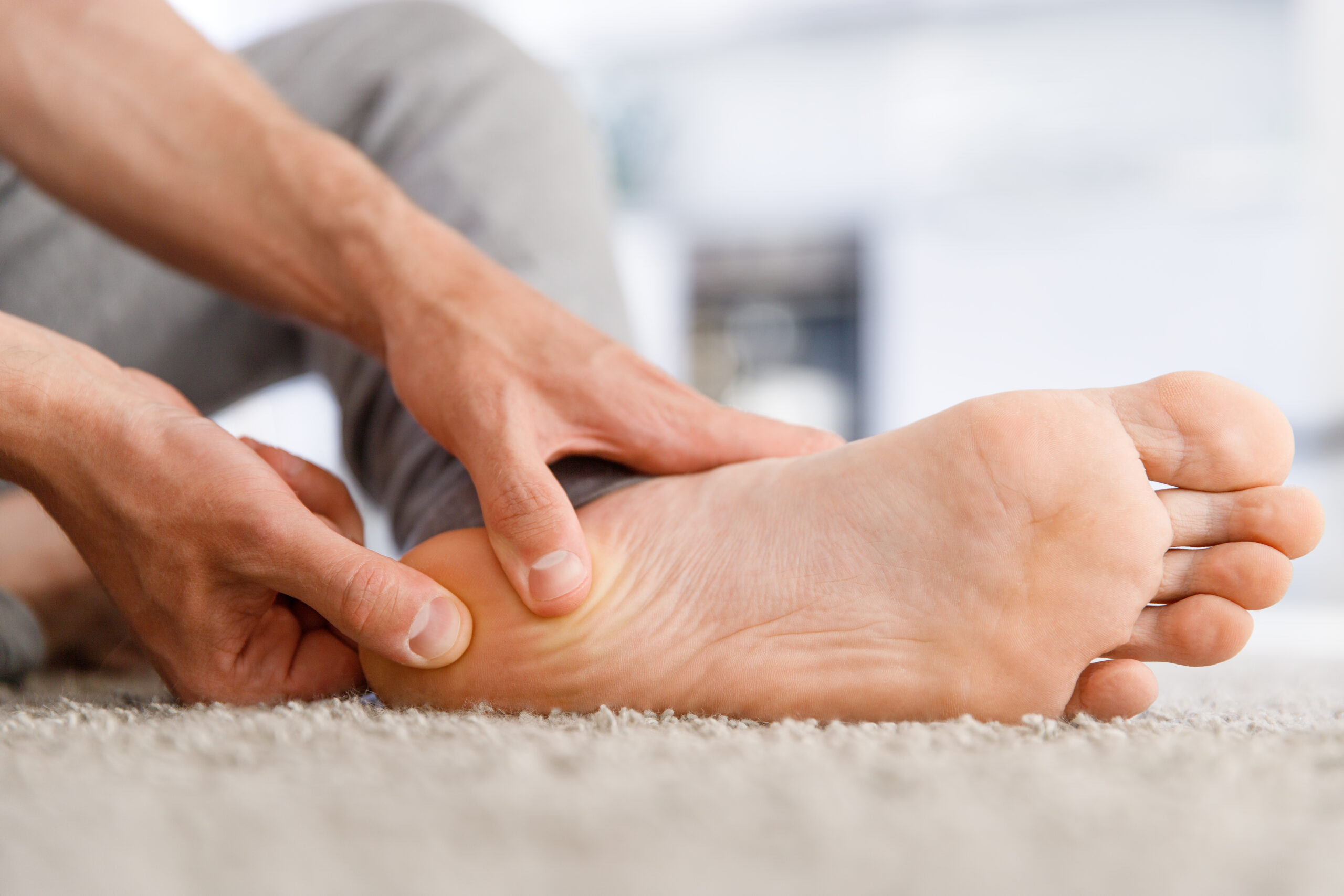
Your feet are the foundation of your mobility—they carry you through approximately 110,000 miles in a lifetime, equivalent to walking around the Earth’s equator more than four times. Despite this extraordinary workload, foot care often remains at the bottom of our health priority list, especially for men. The consequences? Chronic pain, reduced mobility, and a diminished quality of life as we age.
This comprehensive guide explores simple yet effective daily foot care routines that can dramatically improve your long-term mobility. Whether you’re experiencing discomfort from conditions like plantar fasciitis or simply want to invest in preventative care, these practices will help maintain healthy feet for years to come.
Why Men’s Foot Health Deserves Special Attention
Men face unique foot health challenges that often go unaddressed. From the construction worker spending 10+ hours in steel-toe boots to the executive wearing dress shoes all day, men’s feet endure significant stress. Statistics show that men are less likely than women to seek medical attention for foot pain, often waiting until problems become severe.
The consequences of neglecting foot health can be significant. Studies indicate that foot problems contribute to mobility issues as we age, affecting balance, posture, and overall quality of life. The good news? Simple daily habits can prevent many common problems and support long-term foot health.
Men’s shoes, particularly work boots and dress shoes, present specific challenges. Work boots, while protective, can be heavy and rigid. Dress shoes often prioritize appearance over comfort and proper support. Both scenarios highlight the importance of proper internal support through quality shoe insoles for men.
Morning Foot Care Routines That Make a Difference
How you start your day sets the tone for your feet. Implementing these simple morning habits can significantly improve foot health and comfort throughout the day:
- Five-minute foot stretching routine – Before your feet hit the floor, perform gentle stretches to prepare the plantar fascia and Achilles tendon for the day ahead. This is particularly important for preventing plantar fasciitis flare-ups.
- Proper foot hygiene – Thoroughly wash and dry your feet, paying special attention to the spaces between toes where moisture can accumulate and cause fungal infections.
- Foot inspection – Take 30 seconds to check for cuts, blisters, or unusual changes. Early detection of issues prevents them from developing into serious problems.
- Application of moisturizer – Apply foot-specific moisturizer to prevent dry, cracked skin, but avoid applying between toes where moisture can promote fungal growth.
For those suffering from plantar fasciitis, morning pain can be particularly intense. Using plantar fasciitis insoles that provide arch support can help distribute pressure evenly and reduce that first-step pain that’s characteristic of the condition.
Choosing the Right Footwear and Support Systems
The foundation of foot health starts with proper footwear. Men often sacrifice comfort and proper support for style or convenience, but this trade-off can lead to long-term foot problems. Here’s what to consider:
- Shoes should have a wide toe box to allow natural toe splay
- Look for proper arch support that matches your foot type
- Choose shoes with shock-absorbing soles for high-impact activities
- Replace worn shoes regularly (every 300-500 miles for athletic shoes)
- Consider specialized footwear for specific activities (hiking, running, etc.)
Even the best shoes can benefit from additional support. Quality insoles for men can transform ordinary footwear into precision-fitted comfort systems. These inserts provide targeted support to the three main arches of the foot, helping to distribute weight evenly and reduce pressure points.
For men who work on their feet all day, boot insoles for men are particularly important. They not only provide comfort but help prevent fatigue and the development of conditions like plantar fasciitis. The CRUVHEAL orthotic insoles offer medical-grade support designed specifically to alleviate foot pain and improve posture, making them an excellent option for those seeking quality support.
Active Foot Strengthening Exercises for Improved Stability
Strong feet form the basis of good mobility. Many foot problems stem from weakness in the intrinsic foot muscles—small muscles within the foot that support the arches and help with balance and propulsion. Integrating these simple exercises into your daily routine can make a significant difference:
The “Short Foot” exercise is particularly effective for strengthening the intrinsic foot muscles. While seated, keep your foot flat on the floor and try to shorten it by drawing the ball of your foot back toward the heel without curling your toes. Hold for 5-10 seconds and repeat 10 times on each foot.
Toe splaying helps improve toe mobility and strengthen the foot. Simply spread your toes as wide as possible, hold for 5 seconds, then release. Repeat 10 times on each foot. This exercise is particularly beneficial for those who wear narrow shoes regularly.
Marble pickups challenge the fine motor control of your feet. Place 20 marbles on the floor and practice picking them up with your toes and placing them in a bowl. This exercise strengthens the muscles that help maintain your arch.
For those with plantar fasciitis, additional targeted exercises can help alleviate symptoms. Rolling a frozen water bottle under the arch for 5 minutes provides both strengthening and pain relief through cold therapy. Using plantar fasciitis insoles during daily activities complements these exercises by providing consistent support when you need it most.
Midday Foot Relief Strategies for Working Men
Many men spend long hours on their feet or sitting at desks, both of which present challenges for foot health. Implementing these midday relief strategies can prevent discomfort and fatigue:
If your job allows, remove your shoes for 5-10 minutes during lunch breaks to give your feet breathing room. This small break from constant compression can significantly reduce end-of-day swelling and discomfort.
For desk workers, keeping a tennis ball or specialized foot roller under your desk provides an opportunity for quick foot massages throughout the day. This improves circulation and helps release tension in the plantar fascia.
Those who stand for long periods should perform weight shifts every 15-20 minutes, alternating pressure between the inside and outside of the feet. This prevents prolonged pressure on any single part of the foot and improves circulation.
Regardless of your occupation, shoe inserts for men provide consistent support throughout the day. Quality insoles transform even mediocre footwear into supportive systems that reduce fatigue and prevent long-term issues. For maximum benefit, consider having two sets of shoe insoles for men—one for work footwear and another for casual shoes.
Evening Recovery Routines for Healthier Feet
How you care for your feet in the evening directly impacts their recovery and preparation for the next day. These nighttime habits promote healing and reduce cumulative stress:
A 10-minute warm Epsom salt soak relaxes tired muscles and reduces inflammation. The magnesium in Epsom salts absorbs through the skin and helps relieve muscle tension—particularly beneficial after high-activity days.
After soaking, gentle massage with a moisturizing cream improves circulation and prevents dry, cracked skin. Pay special attention to the heel and ball of the foot, which bear the most weight during the day.
For those dealing with plantar fasciitis or general foot fatigue, performing gentle stretches before bed can prevent morning stiffness. The towel stretch—sitting with legs extended and pulling a towel wrapped around the balls of your feet toward you—is particularly effective for maintaining flexibility in the plantar fascia and calf muscles.
If you’ve been wearing insoles for men throughout the day, give them proper care in the evening. Remove them from your shoes to allow airflow and prevent bacterial growth. For those using specialized plantar fasciitis insoles, check regularly for signs of wear and replace them according to manufacturer guidelines to ensure continued support.
Weekly Foot Maintenance Practices for Long-Term Health
While daily habits form the core of foot health, certain maintenance practices are best performed weekly to prevent problems before they start:
- Thorough nail care, including proper trimming straight across to prevent ingrown toenails
- Exfoliation of calluses before they become problematic (but never cut calluses)
- Deep cleaning of footwear to prevent bacterial buildup
- Rotation between different pairs of shoes to allow full drying between wears
- Inspection and cleaning of shoe insoles for men to maintain their support and hygiene
For men who use boot insoles for men, weekly maintenance is particularly important due to the enclosed environment of work boots, which can trap moisture and create ideal conditions for bacterial growth. Remove insoles weekly to allow complete drying and lightly clean with a mild soap solution if needed.
Proactive care prevents most common foot problems. A weekly self-examination to check for developing issues allows early intervention before problems escalate. Look for changes in skin color, texture, temperature, or sensation that might indicate developing problems.
When to Seek Professional Help for Foot Issues
While daily care routines prevent many problems, knowing when to consult a professional is equally important. Some warning signs should prompt immediate attention:
Persistent pain lasting more than a week deserves professional evaluation. What seems like simple foot pain might indicate more serious underlying conditions that require specific treatment approaches. Don’t fall into the common male pattern of ignoring pain until it becomes debilitating.
Changes in foot shape, such as developing bunions or hammertoes, should be addressed early when corrective measures are most effective. These conditions typically worsen without intervention and can significantly impact mobility over time.
For those with diabetes, any foot issue requires prompt professional attention. Even minor cuts or blisters can develop into serious complications due to reduced circulation and sensation in the extremities.
Chronic plantar fasciitis that doesn’t respond to self-care measures like stretching and plantar fasciitis insoles should be evaluated by a podiatrist. They can recommend custom solutions or treatments like physical therapy, night splints, or in some cases, corticosteroid injections.
Conclusion: Building a Sustainable Foot Care Routine
The journey to better foot health and improved long-term mobility isn’t about complicated medical procedures or expensive treatments—it’s about consistent, thoughtful daily habits. By implementing the practices outlined in this guide, you’re investing in your ability to remain active and mobile for years to come.
Start small by incorporating one or two of these habits into your daily routine. Perhaps begin with morning stretches and proper footwear selection, then gradually add other practices as they become second nature. Remember that consistency matters more than perfection.
For many men, the simple addition of quality shoe inserts for men provides immediate relief and long-term protection. Products like the CRUVHEAL orthotic insoles offer specialized support designed to address common foot issues while improving overall biomechanics.
Your feet literally carry you through life—they deserve the same care and attention you give to other aspects of your health. By adopting these proactive foot care habits, you’re not just addressing current discomfort; you’re preserving your mobility and independence for decades to come.