
Why Good Foot Mobility Prevents Knee Stiffness: The Role of Quality Insoles
January 16, 2026
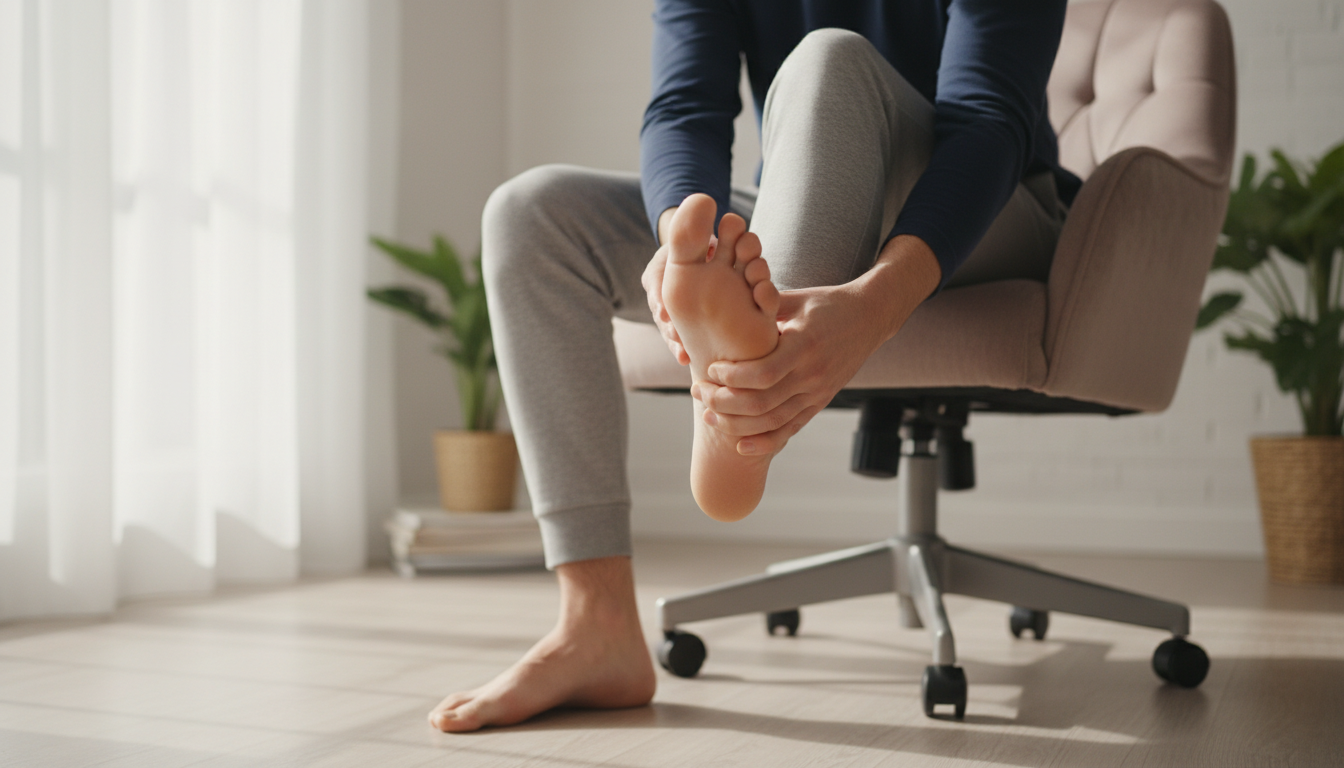
When it comes to joint health, we often focus on the problematic area rather than looking at the entire kinetic chain. Knee pain and stiffness affect millions of people daily, yet many don’t realize that the root cause might be originating from their feet. This connection between foot mobility and knee function represents one of the most overlooked aspects of orthopedic health that deserves our attention.
The human body functions as an interconnected system, with each joint influencing those above and below it. This is particularly true for the relationship between your feet and knees. Restricted foot movement creates a chain reaction of compensation patterns that ultimately increase tension and stress in the knee joint during everyday activities like walking, climbing stairs, and standing.
For men who spend long hours on their feet, especially those wearing work boots or rigid footwear, this problem is particularly relevant. The right support, including quality work boot insoles for men, can make a significant difference in both comfort and long-term joint health. Let’s explore this critical connection and discover how proper foot function can help prevent knee problems.
The Biomechanical Connection: How Your Feet Influence Your Knees
Your feet are the foundation of your body’s movement system. Each foot contains 26 bones, 33 joints, and over 100 muscles, tendons, and ligaments—all designed to provide stability, absorb shock, and facilitate movement. When these structures function optimally, they create a harmonious movement pattern that minimizes stress throughout the entire leg.
The biomechanical link between feet and knees operates through what specialists call the kinetic chain. This concept explains how movement at one joint affects the function of adjacent joints. For example, when your foot properly pronates (rolls inward) during the gait cycle, it allows your leg to rotate internally at the right time, which helps your knee absorb shock effectively.
However, when foot mobility becomes restricted, this synchronized pattern breaks down. Research has shown that limited ankle dorsiflexion (the ability to flex your foot upward) and poor foot mechanics can lead to:
- Altered knee tracking patterns during walking and squatting
- Increased compressive forces on the patellofemoral joint (kneecap)
- Premature cartilage wear in the knee
- Increased risk of conditions like patellar tendinopathy and osteoarthritis
- Compensation patterns that affect hip and back alignment
For men who work in physically demanding jobs requiring sturdy footwear, these issues are often exacerbated by rigid work boots that restrict natural foot movement. Quality boot insoles for men that support without overly restricting can help maintain proper foot mechanics even in protective footwear.
Common Foot Mobility Restrictions and Their Impact on Knees
Several common foot mobility issues directly contribute to knee problems. Understanding these connections can help you identify potential risk factors before they lead to chronic pain or injury.
Limited Ankle Dorsiflexion
Restricted ankle mobility, particularly in dorsiflexion (pointing the foot upward), forces the knee to compensate during activities like squatting, stair climbing, and walking downhill. When your ankle can’t bend properly, your knee must move forward excessively, creating abnormal loading patterns that can lead to patellofemoral pain and meniscus issues.
Flat Feet (Overpronation)
Excessive pronation, commonly known as flat feet, causes the lower leg to rotate inward more than ideal. This internal rotation creates a chain reaction that applies medial (inner) stress to the knee joint. Over time, this can contribute to medial knee pain, IT band syndrome, and even ACL stress.
High Arches (Supination)
Conversely, feet with high arches tend to be more rigid and less effective at shock absorption. This transfers more impact forces directly to the knee joint. The reduced shock absorption can lead to stress fractures, lateral knee pain, and increased cartilage wear.
Limited Toe Mobility
Restricted toe motion, particularly in the big toe (hallux), alters how weight transfers during the push-off phase of walking. This seemingly minor limitation can significantly change knee mechanics during daily activities, potentially leading to knee pain over time.
Many men dismiss these issues as minor discomforts or simply “part of aging,” but addressing foot mobility early can prevent more serious knee problems later in life. Supportive insoles for men designed to accommodate these specific foot types can help normalize walking patterns and reduce knee stress.
The Role of Footwear and Insoles in Foot-Knee Health
The shoes and inserts we choose play a crucial role in either supporting or hindering natural foot mechanics. Unfortunately, many footwear options prioritize fashion or ruggedness over biomechanical function.
For men in physically demanding occupations, work boots present a particular challenge. While necessary for protection, traditional work boots often feature rigid soles, minimal arch support, and inflexible uppers that restrict natural foot movement. Over time, this constant restriction can lead to weakened foot musculature and altered movement patterns that stress the knees.
Quality work boot insoles can mitigate these effects by providing:
- Arch support that matches your foot type – Supporting the arch without overcorrecting helps maintain proper alignment through the entire kinetic chain
- Shock absorption at key pressure points – Reducing impact forces that would otherwise travel directly to the knee joint
- Heel stabilization – Preventing excessive pronation or supination that alters knee alignment
- Metatarsal support – Promoting proper weight distribution across the foot
- Cushioning that doesn’t compromise proprioception – Allowing your foot to “feel” the ground while still providing comfort
The CRUVHEAL Work Boot Orthotics Insoles for Men offer these critical features, designed specifically to support foot health while providing the durability needed for demanding work environments. These insoles help maintain proper foot function even when wearing restrictive work boots, potentially preventing the knee issues that often develop in physically active men.
Exercise and Movement Practices to Improve Foot Mobility
While quality shoe inserts for men provide essential support, combining them with targeted exercises can dramatically improve foot mobility and further protect knee health. These simple exercises can be performed daily, even by those with busy work schedules:
Toe Yoga
This practice involves isolating and moving individual toes to increase dexterity and intrinsic foot strength. Try lifting just your big toe while keeping others down, then reverse. This seemingly simple exercise activates often-dormant foot muscles that contribute to proper foot mechanics.
Ankle Mobilizations
Sitting with one leg extended, use a towel or strap to gently pull your foot toward you, creating a stretch in the calf and improving ankle dorsiflexion. Hold for 30 seconds and perform 3-5 repetitions per side daily. Improving ankle mobility directly reduces compensatory stress on the knee joint.
Arch Doming
While seated, keep your heel and toes on the ground while lifting your arch as if shortening your foot. This activates the intrinsic foot muscles responsible for maintaining your arch during weight-bearing activities.
Barefoot Balance Training
Standing on one foot on varied surfaces (carpet, foam pad, firm ground) challenges the proprioceptive system and strengthens the small stabilizing muscles in your feet. Begin with 30 seconds per side and gradually increase duration as your balance improves.
Self-Myofascial Release
Using a golf ball or specialized foot roller, apply gentle pressure to tight areas of your foot, particularly the arch and heel. This helps release fascial restrictions that may be limiting natural foot movement.
Performing these exercises consistently, even for just 5-10 minutes daily, can significantly improve foot mobility and function. When combined with supportive boot insoles for men, this approach addresses both the symptoms and root causes of knee discomfort related to poor foot mechanics.
Signs Your Foot Mobility May Be Affecting Your Knees
How can you tell if restricted foot movement might be contributing to your knee discomfort? Several warning signs suggest this connection:
- Knee pain that worsens after standing or walking for extended periods
- Discomfort when descending stairs or walking downhill
- Knees that “cave in” during squatting movements
- Knee pain that started or intensified after changing footwear
- Outer knee pain combined with high, rigid arches
- Inner knee pain combined with flat feet or overpronation
- Increased knee stiffness after wearing rigid boots or dress shoes
If you’re experiencing these symptoms, particularly if you work in an occupation requiring long periods of standing or walking in work boots, addressing foot mobility should be a priority. Many men report significant improvements in knee comfort after implementing proper work boot insoles for men and beginning a simple foot mobility routine.
The Importance of Proper Insole Selection for Different Activities
Not all insoles are created equal, and the demands placed on your feet vary significantly between activities. Understanding how to select the right insoles for men based on your specific needs can maximize both comfort and long-term joint health.
For work environments requiring safety boots or extended standing, look for insoles with these characteristics:
- Firm but flexible arch support that matches your foot type
- Durable materials that won’t compress quickly under constant weight
- Deep heel cups that stabilize the rearfoot and absorb impact
- Metatarsal support to distribute pressure across the forefoot
- Breathable top covers that manage moisture during long shifts
The CRUVHEAL work boot insoles exemplify these qualities, providing targeted support where workers need it most. Their anatomical design works with your foot’s natural structure rather than forcing it into an arbitrary position, which is crucial for maintaining proper knee alignment throughout the day.
For those who transition between different footwear throughout the day—from work boots to athletic shoes to casual footwear—consider having multiple sets of appropriate insoles. This ensures consistent support regardless of which shoes you’re wearing, maintaining proper foot mechanics and protecting your knees across all activities.
Long-Term Benefits of Addressing Foot Mobility for Knee Health
Investing in foot health through proper mobility practices and supportive work boot insoles for men offers numerous long-term benefits beyond just immediate pain relief:
First, maintaining optimal foot mechanics can significantly reduce your risk of developing common knee conditions like patellofemoral pain syndrome, IT band syndrome, and premature osteoarthritis. Since these conditions often develop gradually over years of improper loading, preventive measures offer substantial protection.
Second, proper foot function supports healthier movement patterns throughout the entire body. When your feet and knees move correctly, your hips and spine naturally align better, reducing the risk of compensatory issues in these areas as well.
Third, men who address foot mobility often report improved athletic performance and work capacity. Whether you’re an athlete or someone who works on your feet, better foot function translates to more efficient movement, reduced fatigue, and potentially improved productivity.
Finally, maintaining joint health through preventive measures typically proves far less expensive and disruptive than treating serious knee conditions once they develop. Orthopedic treatments, physical therapy, and potential surgical interventions for knee problems can be costly and time-consuming compared to proactive foot care.
By implementing quality shoe inserts for men like the CRUVHEAL Work Boot Orthotics Insoles and incorporating simple mobility exercises, you’re making an investment in your long-term mobility and comfort that pays dividends throughout your life.
Conclusion: A Ground-Up Approach to Knee Health
The connection between foot mobility and knee function represents one of the most actionable insights in modern orthopedic health. By understanding that restricted foot movement increases tension in the knee joint during daily activities, you can take practical steps to protect your knees and maintain mobility as you age.
For men in physically demanding professions, the combination of quality work boot insoles for men, targeted mobility exercises, and awareness of proper movement patterns offers a powerful approach to preventing knee problems. The feet truly form the foundation of healthy movement, and addressing issues at this level often resolves problems that might otherwise be treated only symptomatically further up the chain.
Remember that joint health is a continuous practice rather than a one-time fix. Consistently supporting proper foot mechanics through appropriate boot insoles for men, regular mobility work, and mindful movement patterns creates a foundation for pain-free movement that serves you in work, recreation, and daily life.
By taking this ground-up approach to knee health, you’re not just addressing current discomfort—you’re investing in your ability to stay active, work effectively, and enjoy movement throughout your entire life. Your knees will thank you for the attention you’ve given to their often-overlooked partners in movement: your feet.