
Reduce Foot Stress with Work Boot Insoles: The Complete Guide for Jobs with Constant Direction Changes
December 29, 2025
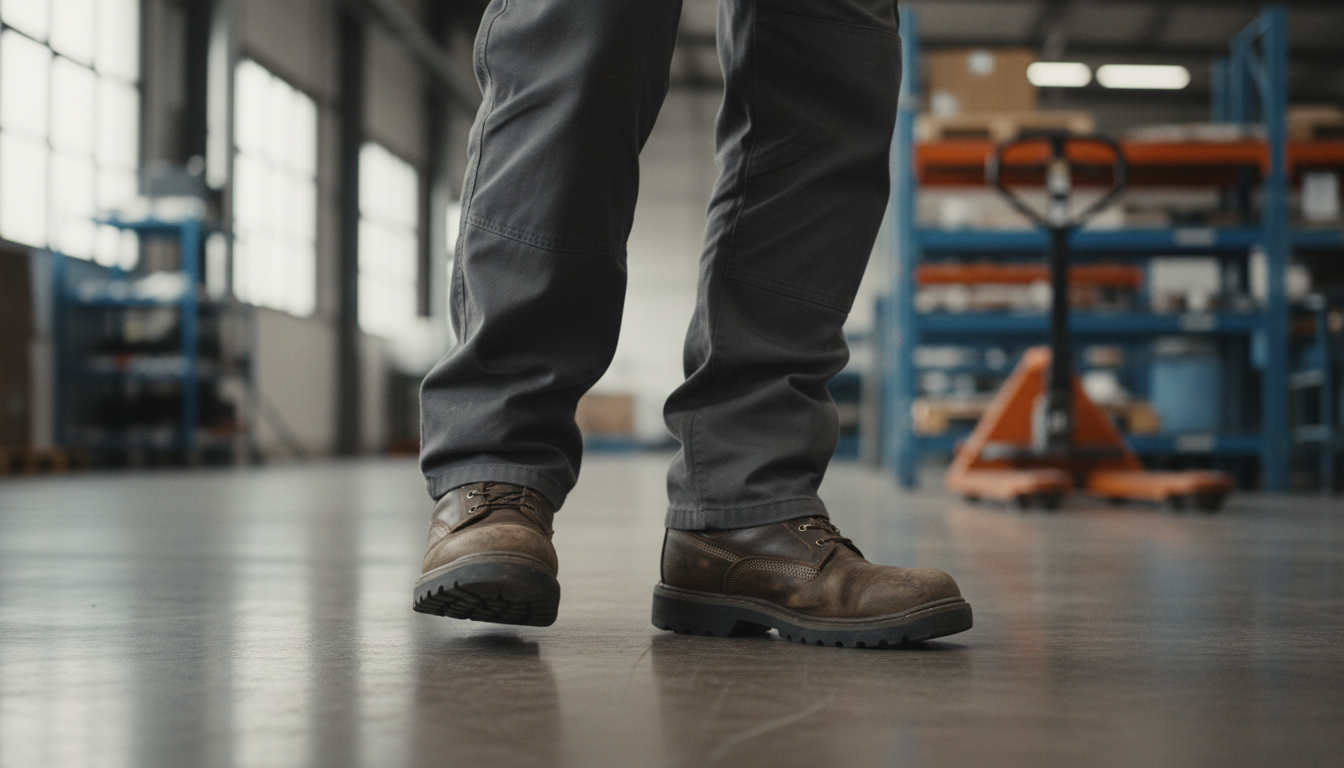
If your workday involves constant pivoting, turning, and rapid direction changes, you’re likely all too familiar with the toll it takes on your feet. Whether you’re in retail, warehouse operations, or the service industry, the repetitive stress from these movements can lead to fatigue, pain, and even long-term foot problems. The good news? With the right understanding and proper foot support, you can significantly reduce this stress and improve both comfort and performance throughout your workday.
Jobs requiring continual directional shifts place unique demands on your feet that traditional footwear alone often can’t address. The constant rotation and side-to-side movements create torsional forces that strain the ankles, arches, and entire kinetic chain. This is where specialized solutions like high-quality shoe inserts for men become essential workplace tools rather than optional accessories.
In this comprehensive guide, we’ll explore the specific challenges these occupations present to foot health, practical solutions to minimize stress, and how the right work boot insoles can transform your daily comfort and long-term foot health.
Understanding the Impact of Directional Changes on Your Feet
When you’re constantly pivoting, turning, and changing directions throughout your workday, your feet experience forces far beyond simple forward movement. Let’s break down exactly what happens during these movements:
Each time you pivot or make a sudden directional change, your foot must first grip the ground, then rotate while maintaining stability. This creates torsional (twisting) forces throughout your foot structure. Your ankle joint, subtalar joint, and the many small joints in your midfoot all work to accommodate these forces while keeping you balanced and stable.
The arch of your foot, particularly the medial (inner) arch, plays a crucial role in these movements. It works as a natural shock absorber and stabilizer during rotation. When this arch lacks proper support, the stress from repetitive directional changes can lead to overpronation (excessive inward rolling) or supination (outward rolling), potentially causing:
- Plantar fasciitis (inflammation of the thick band of tissue connecting your heel to toes)
- Ankle instability and increased risk of sprains
- Metatarsalgia (forefoot pain)
- Achilles tendon strain
- Shin splints
- Knee pain due to improper alignment
For men in physically demanding roles, these issues can be particularly problematic. The combination of body weight, carrying or moving objects, and the constant directional shifts creates a perfect storm for foot fatigue and potential injury. This is precisely why specialized insoles for men in active work environments are so important.
Identifying Jobs Most Affected by Directional Stress
While many occupations involve some degree of movement, certain jobs subject workers to particularly high levels of directional stress on their feet. Understanding whether your role falls into this category can help you prioritize proper foot support.
Warehouse and logistics workers spend shifts retrieving items from various locations, requiring constant turning and pivoting between shelves and aisles. The combination of concrete floors, heavy lifting, and these repetitive movements makes quality work boot insoles for men essential equipment.
Retail associates face similar challenges, often spending 8+ hour shifts moving between customers, display areas, and stockrooms. The frequent stops, starts, and turns on hard retail flooring create significant stress on feet and ankles that standard retail footwear rarely addresses adequately.
Other high-risk occupations include:
- Restaurant servers navigating tight spaces between tables
- Healthcare workers making quick movements between patients and equipment
- Manufacturing line workers who must rotate between stations
- Security personnel patrolling irregular routes
- Construction workers navigating uneven terrain while changing directions
If your job involves any of these movement patterns, paying attention to proper foot support isn’t optional—it’s a necessity for maintaining comfort and preventing potential injuries.
The Science of Proper Foot Alignment During Movement
To effectively address the stress from directional changes, it’s important to understand what “proper foot alignment” actually means during these movements. Biomechanically speaking, optimal alignment means maintaining the foot’s natural arch structure while ensuring the ankle remains stable throughout the movement cycle.
During rotation and directional changes, three key areas require particular attention:
First, the heel needs to be properly cupped and supported to prevent excessive motion. When you pivot, your heel acts as the anchor point for the rotation. Without proper support, the heel can slide within your footwear, leading to instability and increased stress on ankle ligaments.
Second, the arch must be dynamically supported. Unlike simple forward walking, directional changes require your arch to both compress (absorbing impact) and stiffen (providing stability) at various points in the movement. Generic flat insoles fail to provide this adaptive support.
Third, the forefoot needs appropriate cushioning and flexibility. As you push off to change direction, your forefoot experiences significant pressure. Without proper cushioning in this area, metatarsal bones and the surrounding tissues can become inflamed and painful.
High-quality boot insoles for men are designed to address all three of these areas simultaneously, creating a foundation of support that works with your foot’s natural mechanics rather than against them. This holistic support is what makes specialized insoles so effective for workers in high-movement environments.
Key Features to Look for in Work Boot Insoles
Not all insoles are created equal, particularly when it comes to supporting feet during constant directional changes. Here are the critical features that make the difference between basic cushioning and true biomechanical support:
Deep heel cups are essential for stabilizing the rear foot during pivoting movements. Look for insoles with a cup depth of at least 15mm to properly capture and control heel motion. This feature alone can significantly reduce the stress on ankle ligaments during rotation.
Semi-rigid arch support provides the ideal balance between cushioning and stability. Too soft, and the support collapses during directional changes; too rigid, and it won’t adapt to your foot’s natural movement. The best work boot insoles use materials that offer dynamic support that responds to movement.
Shock-absorbing materials in strategic locations help dissipate the impact forces generated during quick stops and starts. Advanced polymer blends or gel insertions in the heel and forefoot areas can make a dramatic difference in comfort during long shifts.
Anti-microbial top covers are particularly important for work environments, as feet in active jobs tend to perspire more. This feature prevents odor-causing bacteria and extends the life of your insoles.
For men in physically demanding jobs, durability is also crucial. The best insoles for men in work settings are constructed with materials that can withstand thousands of cycles of compression and movement without breaking down.
Professional-grade insoles like CRUVHEAL Work Boot Insoles for Men incorporate all these features in a design specifically engineered for high-movement work environments. These insoles provide exceptional arch support and stabilization that standard footwear simply cannot match.
Implementation: How to Integrate Proper Foot Support into Your Workday
Understanding the importance of foot support is one thing; successfully implementing it into your daily work routine is another. Here’s a practical approach to integrating proper foot support for jobs with constant direction changes:
Start by assessing your current footwear. Even the best insoles can’t compensate for severely worn or inappropriate work shoes. Your work boots or shoes should have adequate room for quality insoles while still fitting securely. Look for footwear with a wider toe box that accommodates forefoot movement without constriction.
When introducing new boot insoles for men, follow a gradual break-in period. Your feet need time to adjust to proper alignment, especially if they’ve been compensating for poor support. Consider this schedule:
- Days 1-2: Wear the insoles for 2-3 hours
- Days 3-4: Increase to 4-6 hours
- Days 5-7: Extend to full-shift wear
This gradual approach allows the supporting muscles in your feet and lower legs to strengthen appropriately without undue fatigue. Some users might experience slight discomfort during this adjustment period as their feet align to a more biomechanically correct position.
Consider having two pairs of quality insoles if you work consecutive days. This allows each pair to fully dry and regain its cushioning properties between uses, extending their effective lifespan and maintaining optimal support levels.
Remember that even the best work boot insoles for men will eventually wear out with regular use in demanding environments. Most quality insoles should be replaced every 6-12 months depending on use intensity, weight, and specific work conditions.
Complementary Strategies to Reduce Foot Stress
While proper insoles provide the foundation for foot health in directionally demanding jobs, implementing complementary strategies can further reduce foot stress and enhance overall comfort:
Implementing strategic micro-breaks throughout your shift can make a significant difference. Even 30-60 seconds of simple foot exercises every hour can help refresh circulation and reduce accumulated tension. Try these quick exercises during brief pauses in your workday:
- Ankle circles: Rotate each foot clockwise and counterclockwise 10 times
- Toe spreads: Spread your toes wide, hold for 5 seconds, and release (repeat 5 times)
- Calf raises: Rise onto your toes and lower slowly 10 times
- Arch lifts: Without curling your toes, try to raise your arch by activating the foot muscles
Post-shift recovery is equally important. Consider ending your workday with these practices:
A 10-minute foot soak in cool water can reduce inflammation and refresh tired feet. Adding Epsom salts can provide additional muscle-relaxing benefits. Follow this with gentle stretching of the calves, Achilles tendons, and plantar fascia to release tension accumulated during your shift.
For workers who experience significant foot fatigue, compression socks worn with your shoe inserts for men can improve circulation during long shifts and reduce swelling. Look for graduated compression designs specifically made for active workers rather than general-purpose compression wear.
Finally, maintain proper hydration throughout your workday. Dehydration can contribute to muscle cramping and reduced circulation in the extremities, amplifying foot fatigue from directional stress.
The Long-Term Benefits of Proper Foot Support
Investing in quality work boot insoles for men and implementing proper foot care strategies offers benefits that extend far beyond immediate comfort. The long-term advantages include both professional performance and personal health outcomes:
From a performance perspective, workers with proper foot support typically report greater stamina throughout their shifts. When your feet aren’t constantly sending pain signals, you maintain higher energy levels and can focus more effectively on your tasks. This translates to improved productivity and potentially better job performance evaluations.
The health benefits extend throughout your body’s kinetic chain. When your feet maintain proper alignment during directional changes, the positive effects include reduced knee strain, better hip alignment, and even decreased lower back tension. Many workers report improvements in these areas within weeks of implementing proper foot support.
Perhaps most significantly, addressing foot stress proactively helps prevent chronic conditions that could otherwise develop over years of workplace stress. Plantar fasciitis, tendinitis, and chronic ankle instability are much easier to prevent than to treat once established.
For men in physically demanding careers that involve constant movement, making these investments in foot health isn’t just about immediate comfort—it’s about ensuring career longevity and maintaining activity levels outside of work for years to come.
Conclusion: Taking the First Step Toward Better Foot Health
The demands placed on your feet in jobs requiring constant directional changes are unique and significant. Standard footwear alone simply cannot provide the specialized support needed to minimize stress and prevent potential injuries in these environments.
By understanding the biomechanics involved in pivoting and directional changes, identifying the key features needed in supportive insoles, and implementing complementary foot care strategies, you can dramatically improve your comfort, performance, and long-term foot health.
Remember that your feet quite literally carry the weight of your career. Investing in high-quality shoe inserts for men designed specifically for work environments with specialized boot insoles for men isn’t an optional luxury—it’s essential equipment for workplace health and performance.
If you’re ready to experience the difference that professional-grade foot support can make in your daily comfort, consider trying CRUVHEAL Work Boot Insoles for Men. Engineered specifically for high-movement work environments, these insoles provide the arch support, heel stabilization, and shock absorption needed to protect your feet during even the most demanding shifts.
Your feet support you through every step of your workday—isn’t it time you returned the favor with the support they deserve?