
The Impact of Different Flooring Types on Foot and Joint Health: Why Men Need Work Boot Insoles
December 21, 2025
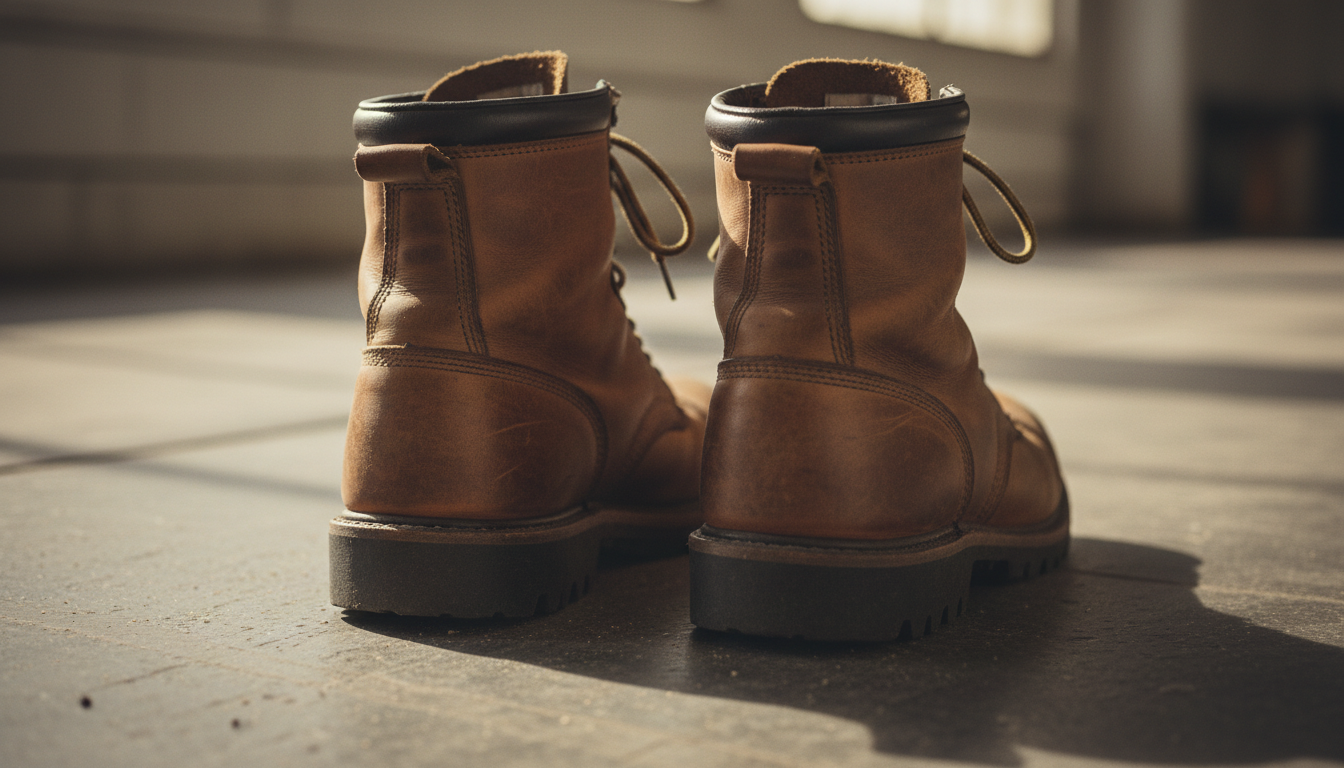
The surface beneath our feet plays a crucial yet often overlooked role in our overall health and well-being. Whether you spend hours standing on unforgiving concrete floors in a warehouse, walking across hard tile in a retail environment, or navigating various surfaces throughout your workday, the impact on your feet, joints, and back can be significant. This connection between flooring types and physical health becomes especially important for those who spend long hours on their feet in work environments.
For men in physically demanding occupations such as construction, manufacturing, or service industries, understanding how different flooring surfaces affect the body isn’t just interesting—it’s essential for preventing chronic pain and injury. The right support, particularly in the form of specialized insoles men need for work boots, can make the difference between ending the day in pain or comfort.
In this comprehensive guide, we’ll explore how various flooring materials impact your body, why proper footwear support matters, and how to choose the right work boot insoles to counteract the negative effects of hard surfaces. By understanding the science behind floor-related stress and implementing the right solutions, you can protect your feet, joints, and overall health for years to come.
The Science Behind Flooring Impact on Your Body
Every step you take creates a chain reaction through your body. When your foot strikes a surface, the impact forces travel upward through your ankles, knees, hips, and spine. On hard surfaces like concrete, the force is barely absorbed, meaning your body’s natural shock absorption system must compensate.
According to biomechanical research, walking on concrete can generate impact forces of up to 1.5-2 times your body weight. For a 180-pound man, that’s between 270-360 pounds of force traveling through your skeletal system with each step. Over an 8-10 hour workday, this repetitive stress adds up significantly.
Different flooring materials have varying levels of shock absorption capabilities:
- Concrete: Almost zero shock absorption, transmitting nearly 100% of impact forces to your body
- Ceramic Tile: Slightly better than concrete, but still very rigid and unforgiving
- Laminate Flooring: Offers minimal cushioning, typically with a thin underlayment
- Vinyl: Provides somewhat more resilience, especially cushioned vinyl
- Carpet: Absorbs approximately 15-20% of impact forces
- Wood: Natural resilience makes it more forgiving than tile or concrete
- Rubber or Cork: Among the most shock-absorbing commercial flooring options
The human foot wasn’t designed to walk on perfectly flat, unyielding surfaces for extended periods. Our ancestors walked on varied natural terrain that provided constant subtle changes in surface angle and resistance. Modern flooring, especially in industrial and commercial settings, lacks this natural variation, creating a constant and unchanging stress pattern with each step.
How Different Flooring Affects Specific Areas of the Body
Understanding the specific impacts different flooring has on your body helps identify where you need support most. Here’s how various floor types affect different areas:
Feet and Ankles
Hard surfaces like concrete and tile provide no cushioning for the 26 bones and numerous joints in each foot. This leads to increased pressure on the plantar fascia (the tissue supporting your arch), potentially causing plantar fasciitis—one of the most common sources of heel pain. For men working in boots all day, this pressure concentrates even more in specific areas of the foot without proper insoles men need for work environments.
Knees
The knee joint absorbs significant impact with each step. On hard surfaces, the cartilage between joints experiences greater compression, potentially accelerating wear and tear. Studies show that workers who spend more than 4 hours daily on concrete surfaces have a substantially higher risk of developing knee osteoarthritis compared to those working on more forgiving surfaces.
Hips
Hip joints must compensate for the lack of shock absorption when walking on hard floors. This can lead to altered biomechanics, muscle imbalances, and eventual hip pain or bursitis, particularly if you’re carrying tools or equipment that create uneven weight distribution.
Lower Back
Perhaps the most commonly reported problem area, the lower back suffers significantly from prolonged standing on hard surfaces. The spine’s natural shock-absorbing capability becomes overworked, leading to muscle fatigue, spasms, and potential disc problems over time. Work boot insoles that provide proper support can help maintain better posture and reduce this strain.
Common Foot Problems Associated with Hard Flooring
Men who work in environments with unforgiving flooring frequently develop specific foot conditions that can impact their quality of life and work performance. Understanding these conditions can help you recognize early warning signs and take preventive action with appropriate shoe inserts men often need in these environments.
- Plantar Fasciitis: Inflammation of the thick band of tissue connecting the heel bone to the toes, causing stabbing heel pain, particularly with the first steps of the morning. This condition is extremely common among workers who stand on concrete floors.
- Metatarsalgia: Pain and inflammation in the ball of the foot, often described as feeling like you’re walking with a pebble in your shoe. Hard surfaces exacerbate this condition by concentrating pressure on the metatarsal bones.
- Achilles Tendinitis: Inflammation of the Achilles tendon, causing pain along the back of the leg near the heel. Lack of shock absorption on hard floors contributes to this condition.
- Stress Fractures: Tiny cracks in the bones of the feet resulting from repetitive force and overuse, more likely to occur when working on unforgiving surfaces without proper support.
- Morton’s Neuroma: A painful condition affecting the ball of the foot, usually between the third and fourth toes, involving thickening of tissue around nerves leading to the toes.
For men in physically demanding jobs, these conditions don’t just cause discomfort—they can significantly impact earning potential if they lead to missed work days or reduced productivity. That’s why investing in quality work boot insoles is not just about comfort but also about protecting your livelihood.
How Work Boot Insoles Counter the Effects of Hard Flooring
Quality work boot insoles provide a critical interface between hard surfaces and your body, effectively re-engineering the impact forces that travel through your skeletal system. Here’s how specialized insoles men need for work boots help counteract the negative effects of hard flooring:
Shock Absorption
High-quality insoles contain materials specifically designed to absorb and disperse impact forces before they reach your joints. Materials like gel, foam polymers, and air cushioning can reduce impact forces by 25-40%, significantly decreasing the cumulative stress on your body throughout a workday.
Arch Support
Proper arch support maintains your foot’s natural alignment, preventing overpronation (excessive inward rolling) or supination (outward rolling). This correct alignment translates up the kinetic chain, helping maintain proper knee, hip, and spine positioning regardless of the flooring surface.
Weight Distribution
Quality work boot insole designs redistribute pressure across the entire foot rather than concentrating it in specific areas. This is particularly important on unyielding surfaces like concrete, which tend to create “hot spots” of pressure on the heels and balls of the feet.
Stability Enhancement
Good insoles improve overall stability, which becomes even more important when working on slippery tile or uneven surfaces. This added stability reduces the small compensatory muscle actions that lead to fatigue over a long workday.
The right insoles essentially transform the interior of your work boots into a customized environment that protects your body from the realities of industrial flooring. For men spending 40+ hours weekly on concrete, tile, or other hard surfaces, this protection is not a luxury but a necessity for long-term health.
Choosing the Right Insoles Based on Your Working Environment
Different work environments require different types of support. Here’s how to select the most appropriate work boot insoles based on where you spend most of your time:
For concrete warehouse or factory floors, look for insoles with maximum shock absorption and cushioning. These environments demand insoles with gel or air pockets in the heel area and substantial foam throughout. The CRUVHEAL Work Comfort Orthotic Insoles are specially engineered for concrete environments, providing superior shock absorption with dual-layer cushioning that significantly reduces impact force from hard surfaces.
For those working on tile floors, such as in retail or healthcare settings, seek insoles that provide both cushioning and support for long periods of standing. Anti-fatigue properties become especially important, as these environments often involve stationary standing rather than constant movement.
In construction environments with varied surfaces, adaptable insoles that provide stability across different terrain are crucial. Look for options with rigid arch support and deep heel cups to keep your foot stable as you transition between surfaces.
For those working in service industries with constant movement on hard floors, lightweight insoles with good energy return and breathability help maintain comfort through long shifts of continuous walking.
Material Science: What Makes an Effective Work Boot Insole
The effectiveness of insoles men use in work boots largely depends on the materials used in their construction. Here’s what to look for in quality insoles:
- Memory Foam: Conforms to your foot’s unique shape, providing personalized support. Quality memory foam maintains its resilience throughout a workday and doesn’t compress permanently after a few uses.
- EVA (Ethylene-Vinyl Acetate): A polymer that provides excellent cushioning while remaining lightweight. Higher-density EVA in the arch and heel areas delivers support where it’s most needed.
- Gel Inserts: Strategic gel pads in the heel and forefoot areas absorb impact and provide targeted cushioning for concrete and tile surfaces.
- Polyurethane: Durable and supportive, often used as a base layer in high-quality insoles to provide structure and longevity.
- Cork: Natural material that molds to your foot over time while providing firm support. Particularly good for maintaining proper arch positioning.
The most effective work boot insoles often combine multiple materials in a layered approach. For instance, a rigid polyurethane base might provide structural support while a memory foam top layer delivers comfort and a moisture-wicking fabric cover helps manage perspiration.
Look for insoles that specify which areas of the foot they target. Quality options will have different densities and materials in various zones to address specific needs—firmer support in the arch, extra cushioning in the heel, and flexibility in the forefoot.
Beyond Insoles: Complementary Strategies for Floor-Related Stress
While quality work boot insoles provide essential support, a comprehensive approach to countering the effects of hard flooring includes several additional strategies:
- Regular Footwear Rotation: Alternate between two or more pairs of work boots to allow the cushioning materials to fully recover between wears.
- Proper Boot Selection: Choose work boots with built-in shock absorption features like cushioned midsoles to complement your insoles.
- Anti-Fatigue Mats: When possible, stand on anti-fatigue mats designed to reduce the impact of hard flooring in stationary work areas.
- Stretching Routines: Implement regular stretching for the feet, calves, and hamstrings to counter the tightness that develops from standing on hard surfaces.
- Foot Strengthening Exercises: Stronger intrinsic foot muscles provide better natural support. Simple exercises like toe curls and arch lifts can be done at home.
Combining these approaches with high-quality shoe inserts men use in work environments creates a comprehensive defense against the cumulative damage of hard flooring. This multi-faceted approach is particularly important for workers in their 40s and beyond, when the body’s natural shock absorption capabilities begin to decline.
Conclusion: Investing in Your Foundation
The impact of flooring on your body is significant and cumulative. Every day spent standing on hard surfaces without proper support adds to the stress on your feet, knees, hips, and back. For men in physically demanding jobs, this translates to both short-term discomfort and potential long-term health issues that can affect quality of life and career longevity.
Quality work boot insoles represent one of the most cost-effective investments you can make in your physical well-being. By creating an interface that adapts to both your unique foot structure and the unforgiving surfaces you work on, these specialized insoles men need for work boots help preserve joint health, reduce fatigue, and prevent chronic pain conditions.
The right insoles don’t just add comfort—they fundamentally change how impact forces travel through your body, potentially adding years to your working life and preserving your mobility for activities outside of work. With options like the CRUVHEAL Work Comfort Orthotic Insoles specifically designed for hard surfaces, there’s no reason to continue enduring the punishment that concrete and other hard flooring inflict on your body.
Remember that your feet are the foundation upon which your entire body functions. By giving them the support they need to navigate the realities of modern flooring, you’re making an investment that pays dividends in both your professional and personal life. Your future self will thank you for the pain-free days ahead.