
Foot Health During Pregnancy: What to Watch For
December 11, 2025
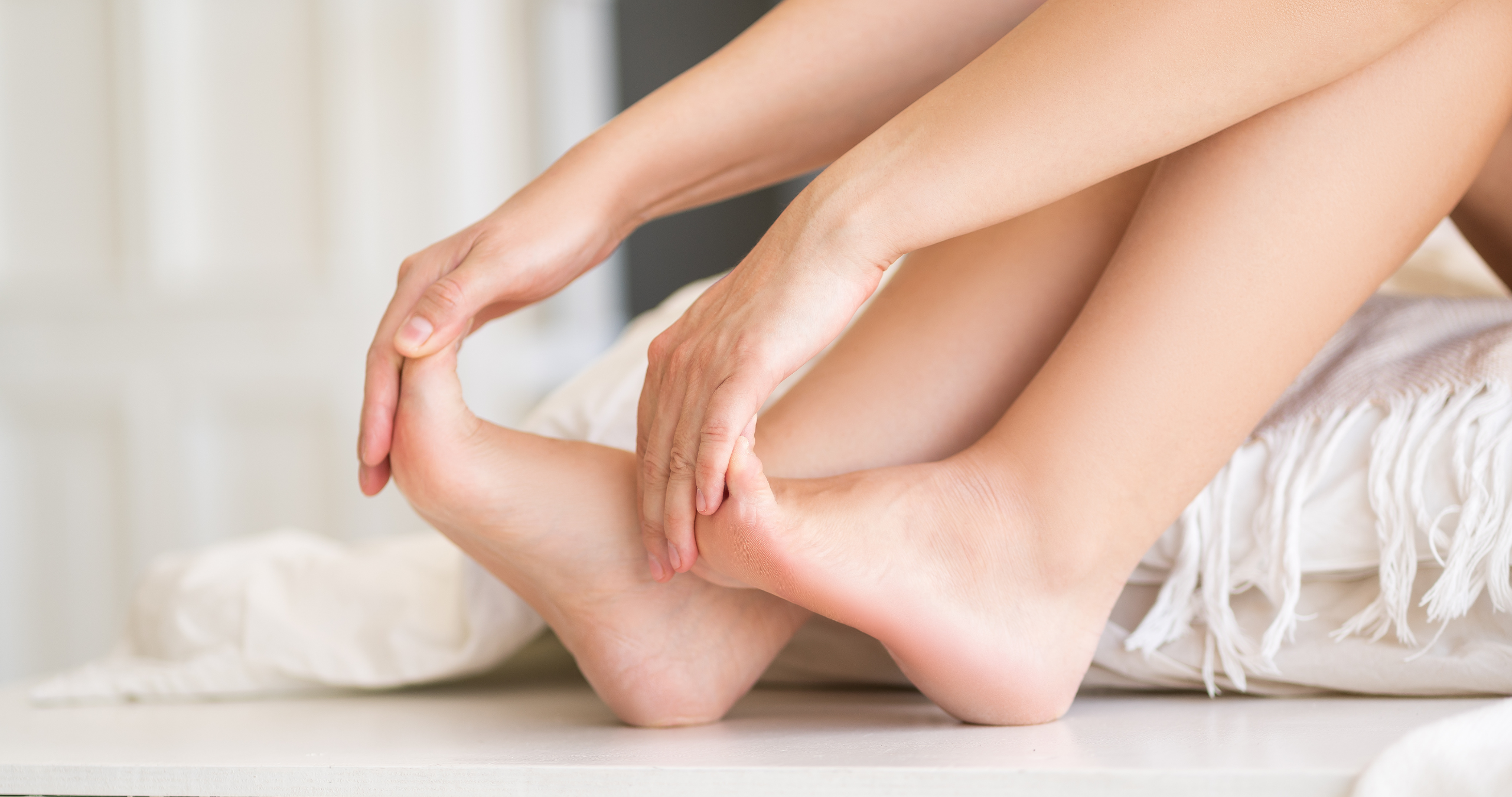
Pregnancy brings remarkable changes to the body, but many women are surprised by how strongly these changes affect the feet. During this period, the combination of weight gain, hormonal shifts, fluid retention, and altered posture creates new demands on the musculoskeletal system. Paying attention to foot health becomes essential—not only for comfort, but for maintaining mobility and reducing unnecessary stress on the joints.
As pregnancy progresses, the body produces a hormone called relaxin, which loosens ligaments throughout the pelvis and lower body to prepare for birth. While this flexibility is necessary, it also means the feet lose some structural stability. The arches may flatten, the feet may widen, and the ankles may roll inward more easily. These shifts can lead to discomfort in the heels, arches, ankles, and even the knees and hips.
Another common challenge is swelling, especially in the later months. Increased blood volume and pressure can cause fluid to accumulate around the feet and ankles, making shoes feel tight and walking more tiring. Combined with changes in balance from a shifting center of gravity, many pregnant women experience soreness, fatigue, and reduced stability during daily tasks.
Key Foot Changes to Watch For
-
Flattening arches caused by ligament loosening
-
Overpronation, leading to ankle and knee strain
-
Swelling in the feet and ankles
-
Heel pain or plantar fasciitis from increased load
-
Balance changes and reduced stability
Understanding these changes early helps prevent discomfort from becoming long-term issues.
How to Support Your Feet During Pregnancy
1. Choose the Right Footwear
Opt for shoes with:
-
A supportive sole
-
Good arch structure
-
A wide toe box
-
Soft, breathable materials
Avoid rigid or narrow shoes that restrict foot expansion.
2. Manage Swelling
Elevate your feet when possible, stay hydrated, and consider gentle ankle rotations to improve circulation.
3. Strengthen and Stretch
Simple exercises—like calf stretches, toe lifts, and arch-strengthening movements—help maintain mobility and reduce fatigue.
4. Use Supportive Insoles
Because pregnancy affects stability and alignment, structured arch support becomes especially valuable. Insoles help redistribute pressure, improve posture, and reduce the strain on joints that are already working harder than usual.
Recommended Support
For expecting mothers who experience arch collapse, heel pain, or ankle fatigue, CRUVHEAL 220+ High Arch Support Insoles offer firm, reliable alignment. Their rigid base stabilizes the foot, while a deep heel cup improves balance—ideal during a time when the center of gravity shifts significantly.
They help:
-
Reduce overpronation
-
Improve walking comfort
-
Support the arch under increased body weight
-
Decrease pressure on knees and hips
Pregnancy is a time of transformation, and supporting your feet ensures the journey stays comfortable and steady. With mindful care and the right support, you can maintain healthy mobility through every stage.