
The Hidden Cause of Knee Pain for Men Who Stand All Day — and How to Fix It
November 30, 2025
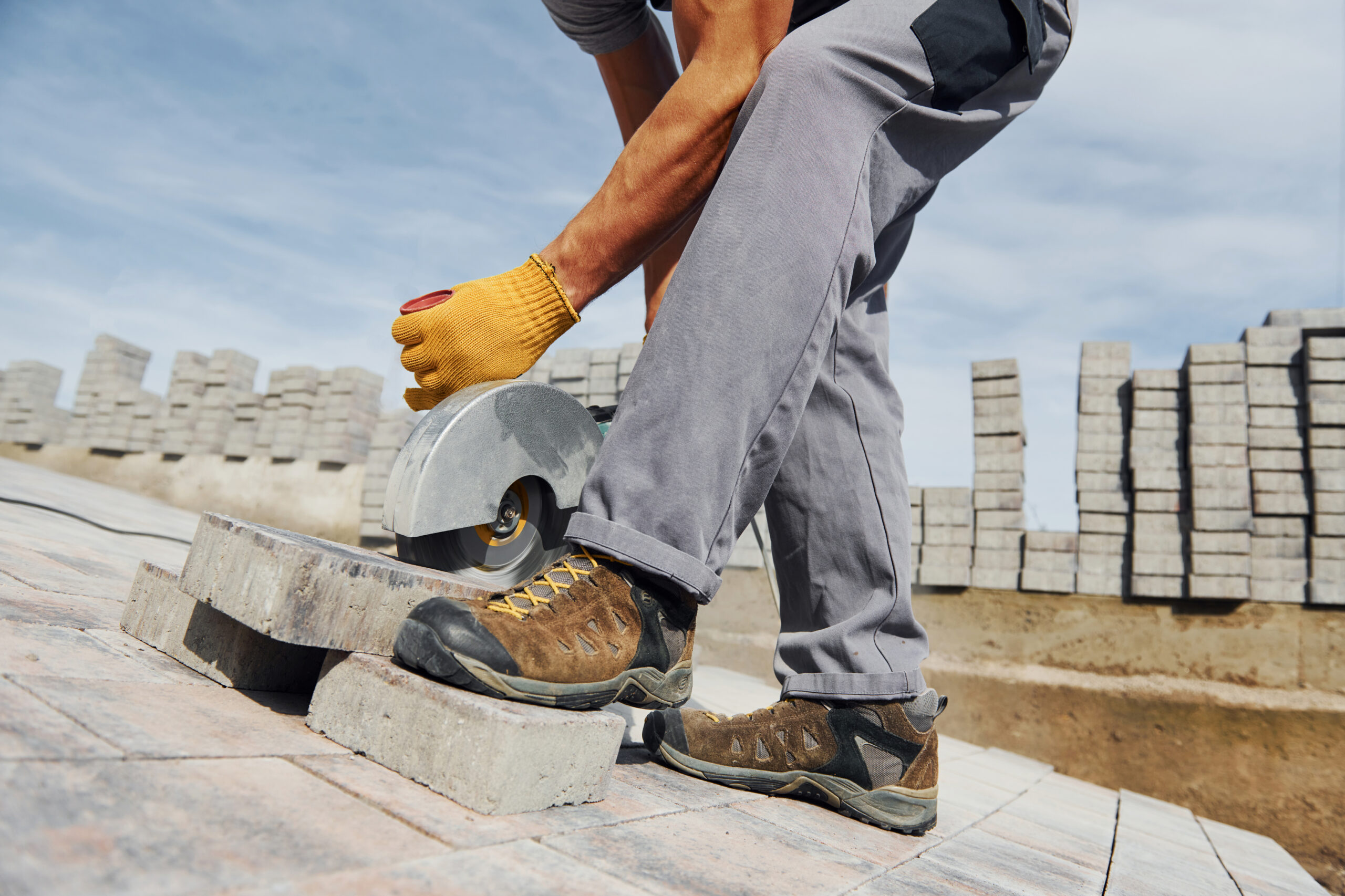
For men who spend hours on their feet at work, knee pain can become a debilitating companion that affects both job performance and quality of life. What many don’t realize is that the solution might lie right under their feet. Proper footwear support, particularly high-quality insoles for men, can play a crucial role in preventing and alleviating knee discomfort. This comprehensive guide examines how the right work boot insoles for men can make all the difference between chronic pain and comfortable productivity.
Understanding the Connection Between Feet and Knee Pain
The human body functions as an interconnected chain, with each joint affecting those above and below it. When your feet lack proper support, the effects cascade upward, often manifesting as knee pain. This biomechanical relationship explains why addressing foot issues can provide relief for knee problems that might seem unrelated.
Each step you take creates impact forces that travel from your feet through your ankles, knees, hips, and spine. Without adequate cushioning and support, these forces can cause excessive strain on your knee joints. For workers spending 8-12 hours daily on hard surfaces, this cumulative stress becomes particularly problematic.
Research has shown that improper foot alignment can alter your gait and posture, placing uneven pressure on your knee joints. Over time, this misalignment may contribute to various knee conditions, including patellofemoral pain syndrome, osteoarthritis, and meniscus issues.
Common Causes of Heel and Arch Pain in Working Men
Before exploring solutions, it’s important to understand the root causes of foot discomfort that can contribute to knee pain. Here are the most common issues affecting men who work on their feet:
- Plantar Fasciitis: Inflammation of the thick band of tissue that connects the heel to the toes, causing stabbing heel pain particularly with the first steps of the day.
- Flat Feet/Fallen Arches: A condition where the arches of the feet collapse, causing the entire sole to touch the ground when standing.
- High Arches: The opposite problem, where excessively high arches don’t absorb shock efficiently.
- Heel Spurs: Calcium deposits causing bony protrusions on the underside of the heel bone.
- Overuse/Fatigue: Simply standing or walking on hard surfaces for extended periods without adequate support.
- Ill-fitting Footwear: Work boots that lack proper arch support or cushioning.
Many men dismiss these issues as an inevitable part of physical work. However, addressing foot problems promptly can prevent the development of chronic knee conditions that might require more invasive treatments later.
How Quality Work Boot Insoles Can Prevent Knee Pain
High-quality work boot insoles do much more than simply make your shoes feel more comfortable. They provide strategic support and cushioning designed to correct biomechanical issues and properly distribute impact forces. Here’s how the right insoles help protect your knees:
- Shock Absorption: Premium insoles absorb impact forces that would otherwise travel directly to your knees, reducing stress on joint cartilage.
- Arch Support: Proper arch support helps maintain correct foot alignment, preventing overpronation (inward rolling) or supination (outward rolling) that can stress knees.
- Heel Stabilization: A deep heel cup keeps your foot properly positioned, reducing lateral movement that can strain knee ligaments.
- Weight Distribution: Even distribution of body weight across your entire foot reduces pressure points and improves overall body alignment.
- Gait Correction: Quality insoles can subtly correct walking patterns, ensuring more biomechanically efficient movement.
For men in physically demanding jobs, these benefits extend beyond knee protection. Proper support can increase energy levels, reduce overall fatigue, and improve workplace productivity and safety.
Choosing the Right Insoles for Your Work Boots
Not all shoe inserts for men are created equal, especially when it comes to work applications. When selecting insoles for men work boots, consider these crucial factors:
Material and Durability: Work environments demand insoles that can withstand punishment. Look for options with high-density foam bases and durable top covers. Premium materials like memory foam, polyurethane, or cork provide excellent support while maintaining their structure under pressure.
Arch Type Compatibility: Your natural foot arch shape should determine the type of insole you select. Options are available for flat feet, normal arches, and high arches. Using the wrong arch support can create new problems rather than solving existing ones.
Boot Type Compatibility: Different work boot insoles are designed for specific types of footwear. Some work better in traditional leather work boots, while others are optimized for composite safety boots or specialized footwear for specific industries.
Activity Level: Consider the physical demands of your job. Do you primarily stand in one place, walk continuously, or alternate between tasks? Different movement patterns require different insole features.
One standout option that addresses all these considerations is the CRUVHEAL Work Comfort Orthotic Insoles, specifically engineered to provide exceptional support for men in demanding work environments. These premium insoles offer medical-grade arch support and shock absorption technology that can significantly reduce knee strain during long workdays.
Implementation: Transitioning to Supportive Insoles
Introducing new work boot insole support to your feet requires a thoughtful transition period. Here’s a recommended approach:
Start Gradually: Your feet need time to adjust to proper support, especially if they’ve been improperly aligned for years. Begin by wearing your new insoles for 2-3 hours, then gradually increase duration over 1-2 weeks.
Replace Default Inserts: Most work boots come with basic inserts that provide minimal support. Remove these completely before installing your new supportive insoles.
Check Fit: Quality insoles should fit snugly inside your boots without creating pressure points or causing your feet to sit too high in the boot, which could create friction points.
Assess Comfort vs. Support: Initial discomfort doesn’t necessarily mean the insoles are wrong for you. The adjustment period may involve some awareness of the new support structures. However, sharp pain or excessive discomfort indicates you may need a different option.
Remember that even the highest quality insoles typically need replacement every 6-12 months depending on use, as the materials will eventually compress and lose their supportive properties.
Beyond Insoles: Comprehensive Approach to Preventing Knee Pain
While quality insoles for men work boots form the foundation of knee pain prevention, a holistic approach yields the best results. Incorporate these complementary strategies:
Proper Work Boot Selection: Even the best insoles can’t fully compensate for fundamentally inappropriate footwear. Choose work boots with adequate toe boxes, supportive shanks, and appropriate heel heights for your job requirements.
Strengthening Exercises: Building strength in your feet, ankles, and leg muscles creates natural support systems. Simple exercises like toe curls, calf raises, and ankle rotations can dramatically improve stability.
Stretching Routines: Regular stretching of the plantar fascia, calf muscles, hamstrings, and quadriceps helps maintain flexibility and reduces strain on both feet and knees. Implement a brief stretching routine before work and during breaks.
Weight Management: Each additional pound of body weight adds approximately four pounds of pressure to your knees when walking. Maintaining healthy weight reduces this stress.
Work Technique Modifications: Consciously adjusting how you perform physically demanding tasks can reduce knee strain. This might include proper lifting techniques, avoiding unnecessary twisting motions, or alternating between standing and sitting when possible.
Real-World Benefits: What Men Report After Switching to Quality Insoles
The evidence supporting quality insoles men use in work environments goes beyond theoretical biomechanics. Consistent feedback from workers across industries highlights these tangible benefits:
- Significant reduction in end-of-day knee pain and swelling
- Decreased morning stiffness and improved mobility
- Extended working careers for those in physically demanding jobs
- Reduced dependency on pain medications
- Improved sleep quality due to decreased discomfort
- Enhanced overall job satisfaction and productivity
- Prevention of more serious knee injuries that might require surgical intervention
Many workers report that the investment in quality insoles represents one of the most impactful decisions they’ve made for their long-term physical wellbeing, particularly when considering the potential costs—both financial and quality-of-life—associated with developing chronic knee conditions.
Conclusion: Protecting Your Knees Starts From the Ground Up
The connection between foot support and knee health cannot be overstated, particularly for men whose livelihoods depend on their physical capabilities. Quality work boot insoles for men represent a relatively small investment with potentially enormous returns in pain prevention, productivity, and career longevity.
Rather than accepting knee pain as an inevitable consequence of physical work, consider addressing the root causes through proper foot support. The right shoe inserts for men can dramatically alter how impact forces travel through your body, potentially saving you from years of discomfort and potential disability.
If you’re experiencing heel pain, arch discomfort, or knee issues, don’t wait until the problem becomes debilitating. Explore high-performance options like the CRUVHEAL Work Comfort Orthotic Insoles that provide exceptional support for demanding work environments. Your knees will thank you for making this proactive investment in your musculoskeletal health.
Remember that while insoles play a crucial role, they work best as part of a comprehensive approach to body mechanics that includes proper footwear selection, strength training, flexibility work, and mindful movement patterns. By addressing these factors collectively, you can enjoy greater comfort, enhanced performance, and a sustainable career in physically demanding industries.