
How to Measure Your Feet Properly to Choose the Right Insoles for Pain-Free Performance
November 15, 2025
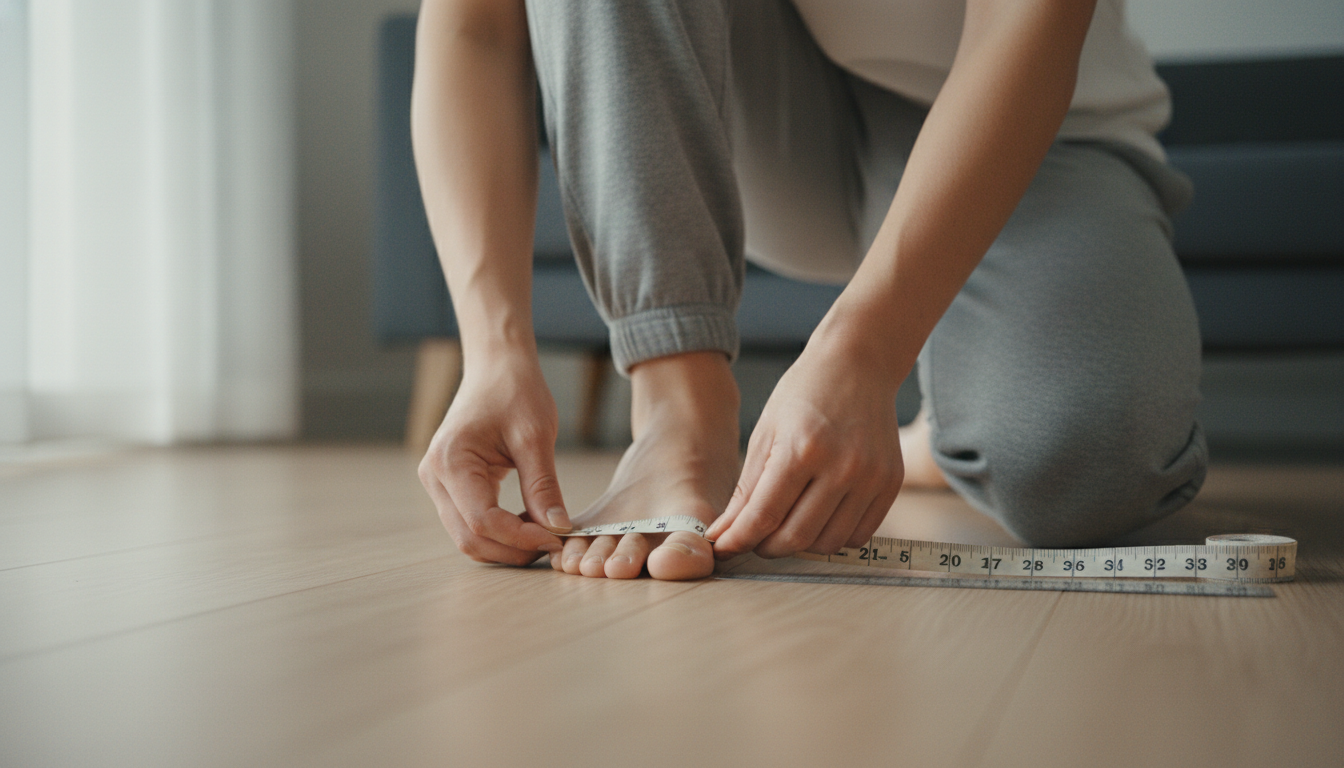
When it comes to foot health, comfort, and athletic performance, what you put inside your shoes can be just as important as the shoes themselves. Whether you’re a dedicated runner, a football player, or someone who spends long hours on their feet, the right insoles can be the difference between pain and performance.
For anyone prone to plantar fasciitis — that sharp, stabbing heel pain — proper arch support becomes essential. But before choosing insoles, you need one thing most people skip: accurate foot measurement.
This guide walks you step-by-step through measuring your feet correctly, understanding your arch type, and selecting sports insoles that truly match your anatomy and activity level.
Why Proper Foot Measurement Matters
Most people assume their shoe size is all they need. Unfortunately, this ignores critical factors like:
-
Arch height
-
Foot width
-
Pressure points
-
Pronation or supination tendencies
-
Left-right foot differences
These elements significantly influence how an insole performs.
The wrong insole can worsen plantar fasciitis, overpronation, or shock impact. For athletes — especially runners and football players — these issues amplify with every step, sprint, or jump.
Research also confirms the value of proper fit: runners using correctly selected shock-absorbing insoles experienced significantly fewer overuse injuries compared to those wearing generic inserts.
Tools You Need to Measure Your Feet at Home
-
A sheet of paper
-
Pencil or pen
-
Ruler or measuring tape
-
A flat, hard floor
-
Thin socks (or none)
-
Optional: a friend to help
How to Measure Your Feet Correctly
1. Measure at the right time
Your feet swell during the day, reaching maximum size in the afternoon. Measure then — especially if using insoles for sports.
2. Trace your foot
Stand naturally with full weight on the paper. Trace the outline while keeping the pencil vertical.
3. Measure length and width
Measure the longest point (heel to toe) and the widest point (ball of the foot).
4. Determine your arch type
Do a simple wet-foot test:
-
Flat feet: Nearly full footprint
-
Normal arch: Noticeable inward curve
-
High arch: Thin middle section
5. Check pronation
Look at the wear pattern on your shoes:
-
Inner wear = overpronation
-
Outer wear = supination
6. Repeat for both feet
Fit insoles based on your larger foot.
Understanding Arch Type and Plantar Fasciitis Risk
Flat feet / low arch
Often overpronate → increased plantar fascia strain.
Needs: Firm arch support, heel stability.
Normal arch
Still requires structured support for impact sports.
Needs: Semi-rigid arch support and balanced cushioning.
High arch
Poor shock absorption → heel & forefoot pain.
Needs: Soft, shock-absorbing, flexible arch support.
Recommended Insoles Based on Your Foot Measurements
Here is the perfect place to include your product links — right after the reader understands their arch type and support needs.
For high arches / heel pain / plantar fasciitis:
CRUVHEAL 220+ High Arch Support Insoles
👉 Insert link here
For athletes (running, football, cleats, gym):
CRUVHEAL Sport Shock Absorbing Insoles
👉 Insert link here
For normal arches and everyday stability:
CRUVHEAL Work Orthotic Insoles
👉 Insert link here
For flat feet / overpronation / long hours on hard surfaces:
CRUVHEAL Work Comfort Orthotic Insoles
👉 Insert link here
These models align perfectly with the measurements and foot types discussed in the earlier sections, helping readers select the right option with confidence.
Special Considerations for Athletic Insoles
For runners:
-
Shock absorption in the heel
-
Lightweight structure
-
Good rebound and stability
For football cleats:
-
Thin yet supportive design
-
Forefoot cushioning
-
Stability for lateral movement
For court sports:
-
Strong lateral support
-
Forefoot impact relief
-
Sturdy arch structure for quick direction changes
The CRUVHEAL Sport Shock Absorbing Insoles are the best match for these requirements.
Breaking in Your New Insoles
-
Start with 1–2 hours per day
-
Increase gradually
-
Expect a short adaptation period
-
Never compete in sports with brand-new insoles
-
Monitor how your knees, hips, and back feel
When to Consider Custom Orthotics
Choose custom orthotics if you:
-
Have severe or persistent plantar fasciitis
-
Have structural abnormalities
-
Are a professional athlete
-
Have diabetes or circulation issues
For most people, high-quality over-the-counter insoles (like CRUVHEAL models) offer excellent value and performance.
Maintaining Your Insoles for Longevity
-
Wash gently with mild soap
-
Air-dry only
-
Rotate between pairs
-
Replace every 6–12 months (or sooner for athletes)
-
Store in a cool, dry environment
Conclusion: Measure First, Move Better
Accurate foot measurement is the foundation of pain-free performance — whether you’re training, working, or simply trying to avoid plantar fasciitis. By understanding your arch type and matching it with the right insole structure, you dramatically reduce strain, absorb shock more effectively, and improve your overall comfort.
To help you choose the right option quickly, here are the recommended CRUVHEAL models once more:
-
High arches / heel pain: CRUVHEAL 220+ High Arch Support Insoles → check page
-
Sports, running, cleats: CRUVHEAL Sport Shock Absorbing Insoles → check page
-
Medium arch daily support: CRUVHEAL Work Orthotic Insoles → check page
-
Flat feet: CRUVHEAL Work Comfort Orthotic Insoles → check page
Your feet carry you through every mile — give them the support they deserve.