
How Orthotic Insoles Can Alleviate Back Pain and Improve Foot Health
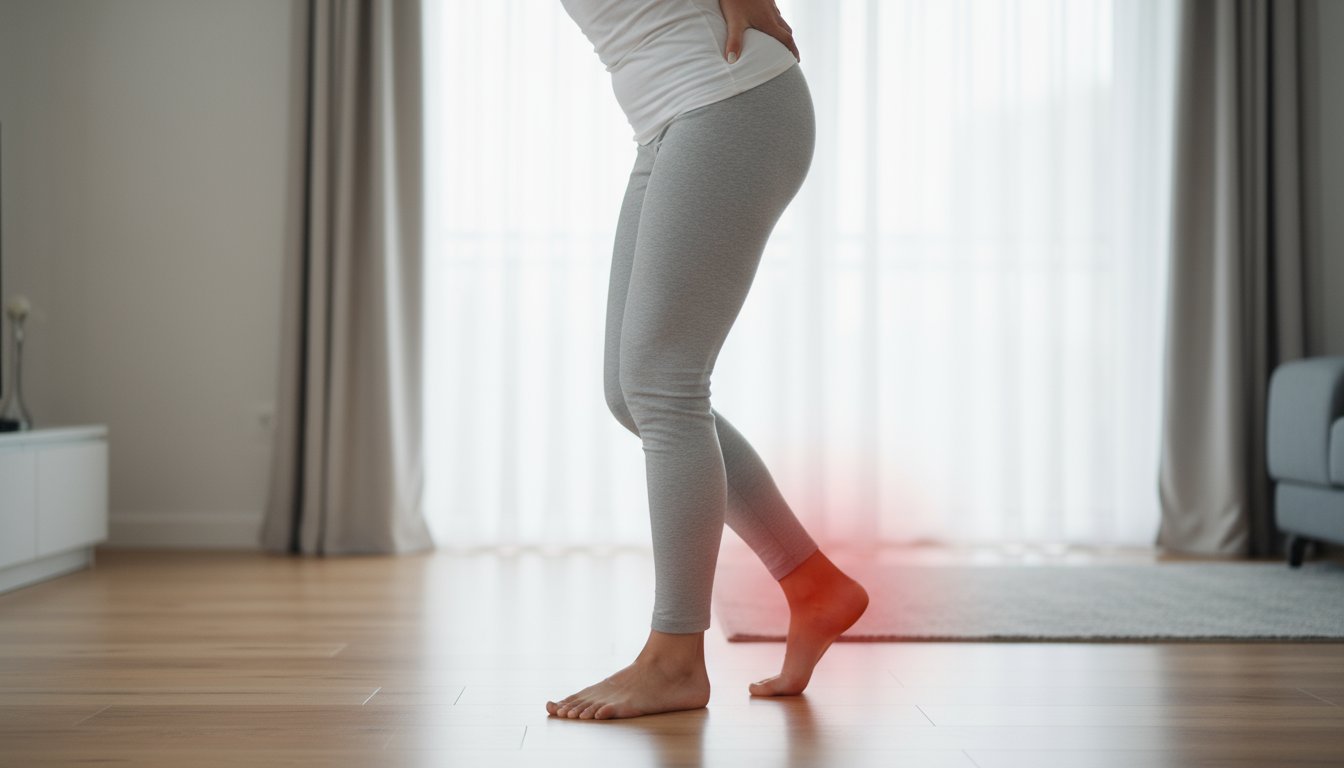
Back pain is one of the most common complaints among working adults, especially those who spend long hours on their feet. What many don’t realize is that the root cause of their persistent back pain might be starting at the very foundation of their body—their feet. The connection between foot health and back pain is profound yet often overlooked in conventional treatment approaches. This article explores how proper foot support, particularly through quality insoles men use in work environments, can significantly impact your overall musculoskeletal health.
Understanding the Biomechanical Chain: From Feet to Spine
Your body functions as an interconnected kinetic chain, where each joint and muscle group affects the alignment and function of others. When you stand, walk, or run, the impact forces travel up from your feet through your ankles, knees, hips, and into your spine. If your feet aren’t properly aligned or adequately supported, these forces can be distributed unevenly throughout your body.
Poor foot mechanics, such as overpronation (excessive inward rolling of the foot) or supination (outward rolling), can create a domino effect of misalignments up the kinetic chain. This misalignment forces your body to compensate, often resulting in muscle imbalances, joint stress, and eventually, back pain. It’s a biomechanical reality that many people suffering from chronic lower back issues are actually experiencing symptoms of a problem that originates with their feet.
For men who work in physically demanding jobs requiring long periods of standing or walking, the stress on their feet can be particularly significant. This is where specialized work boot insoles for men become not just a comfort item but a necessary health intervention.
Common Foot Problems That Contribute to Back Pain
Several foot-related issues can contribute to or exacerbate back pain. Understanding these conditions is the first step toward addressing the root cause of discomfort. Here are some of the most common culprits:
- Flat Feet (Fallen Arches): When the arches of your feet collapse, your feet roll inward excessively. This alters your gait and places additional stress on your knees, hips, and lower back.
- High Arches: Feet with unusually high arches don’t absorb shock effectively, sending more impact forces up the leg and into the spine.
- Plantar Fasciitis: Inflammation of the band of tissue that runs across the bottom of your foot can change how you walk as you try to avoid pain, creating compensatory patterns that stress your back.
- Heel Spurs: These bony growths on the underside of the heel bone can cause pain that alters your walking mechanics, eventually affecting spinal alignment.
- Achilles Tendonitis: Inflammation of the Achilles tendon can limit ankle motion, forcing compensatory movements in the knees, hips, and lower back.
For men working in construction, manufacturing, logistics, or other industries requiring protective footwear, these issues can be compounded by inadequate support from standard work boots. Without proper cushioning and arch support from quality work boot insole products, the daily strain can lead to chronic discomfort throughout the body.
The Science Behind How Insoles Help Relieve Back Pain
Quality shoe inserts men use in their work boots don’t just make standing more comfortable—they can fundamentally alter the biomechanics of walking and standing in ways that benefit the entire body. Here’s how specialized insoles work to reduce back pain:
- Correcting Alignment: Properly designed insoles help position the foot in optimal alignment, which in turn helps align the ankles, knees, hips, and spine.
- Distributing Pressure: They redistribute weight and pressure more evenly across the foot, reducing areas of concentrated stress that can lead to pain and fatigue.
- Providing Arch Support: Supportive insoles maintain the natural arch of the foot, preventing excessive flattening that can lead to overpronation and subsequent misalignment up the kinetic chain.
- Shock Absorption: High-quality insoles men wear in work settings contain materials that absorb impact forces, reducing the shock that travels up to the spine with each step.
- Reducing Muscle Fatigue: By improving biomechanical efficiency, good insoles reduce the work required of muscles throughout the legs and lower back, decreasing fatigue and strain.
Research has demonstrated that appropriate orthotic interventions can reduce lower back pain symptoms by addressing these foundational issues. A study published in the Journal of Manipulative and Physiological Therapeutics found that custom foot orthotics significantly reduced low back pain in participants after just six weeks of use, highlighting the effectiveness of addressing foot mechanics as part of a comprehensive approach to back pain management.
Choosing the Right Insoles Need for Work Boots
Not all insoles are created equal, especially when it comes to the demanding environments where work boots are worn. When selecting insoles men should use for work boots, consider these important factors:
Material Composition: Look for insoles that combine firm support with appropriate cushioning. Materials like high-density foam provide structure while gel or memory foam components offer personalized comfort. For work environments, durability is essential—premium insoles often feature multiple layers of different materials to balance support, shock absorption, and longevity.
Arch Type Compatibility: Your arch type matters significantly when selecting insoles. Low arches or flat feet typically benefit from insoles with moderate to high arch support to prevent overpronation. Normal arches work well with medium support insoles that maintain natural foot mechanics. High arches require insoles with extra cushioning to compensate for reduced natural shock absorption.
Work Environment Considerations: Different job settings demand different features from insoles men use in work boots. Construction or manufacturing workers who stand on hard concrete might prioritize shock absorption and cushioning. Those who walk extensively throughout the day need insoles that provide both support and flexibility. Workers in cold environments benefit from insoles with thermal properties, while those in hot conditions need breathable materials that reduce foot temperature and moisture.
One standout option that addresses many of these needs is the CRUVHEAL Work Comfort Orthotic Insoles, specifically designed to provide the comprehensive support that working men need. These insoles feature anatomically contoured arch support, shock-absorbing heel cups, and durable materials that stand up to the demands of tough work environments.
Implementation: How to Transition to Supportive Insoles
Once you’ve selected the right insoles men need for work boots, implementing them correctly is crucial for successful pain relief. Here’s a systematic approach to incorporating new insoles into your footwear:
- Gradual Adaptation: Begin by wearing your new insoles for 2-3 hours the first day, then incrementally increase wear time over a week until you’re using them full-time. This allows your feet to adjust to the new support pattern.
- Proper Sizing: Many work boot insoles for men come in sizes that may need trimming. Follow the manufacturer’s guidelines carefully to ensure proper fit within your work boots.
- Replace Factory Insoles: In most cases, you’ll need to remove the original insoles that came with your work boots before inserting the new ones to avoid overcrowding the shoe.
- Check Boot Compatibility: Ensure your work boots have enough depth to accommodate supportive insoles without creating pressure points or making the fit too tight.
- Monitor Changes: Pay attention to how your body responds to the new insoles. Some temporary adjustment discomfort is normal, but persistent pain could indicate that the insoles aren’t right for your specific needs.
Remember that high-quality work boot insoles represent an investment in your overall health. Premium insoles men use in demanding work environments typically last 6-12 months depending on usage intensity, so budget for regular replacements to maintain optimal support.
Complementary Approaches to Maximize Back Pain Relief
While quality shoe inserts men use in work boots can significantly reduce back pain, combining them with other supportive strategies creates a more comprehensive approach to spinal health. Consider integrating these complementary practices:
Footwear Selection: Even the best insoles can’t compensate for fundamentally unsuitable work boots. Look for boots with adequate toe box width, proper heel support, and durable construction. Many reputable work boot manufacturers now design their footwear to accommodate aftermarket insoles men need for proper support.
Stretching Routines: Implement a consistent stretching routine focusing on the plantar fascia, calves, hamstrings, and lower back. These interconnected areas all influence one another, and maintaining their flexibility supports proper alignment. Even a few minutes of targeted stretching before and after work shifts can yield significant benefits.
Strength Training: Building core strength provides additional support for your lower back, while strengthening the muscles of your feet and legs improves stability and alignment. Simple exercises like toe curls, calf raises, and bridges can be performed at home without specialized equipment.
Posture Awareness: Pay attention to your standing and walking posture throughout the day. Proper posture works synergistically with supportive insoles to maintain optimal spinal alignment. Consider periodically checking your posture against a wall or using posture-reminder apps on your smartphone.
By combining quality work boot insole support with these practices, you create a multi-faceted approach to addressing back pain that begins at the foundation—your feet.
Real Benefits: What to Expect From Quality Insoles
When you invest in high-quality insoles men need for work environments, you can anticipate several measurable improvements in your overall comfort and musculoskeletal health:
- Reduced Back Pain Intensity: Many users report noticeable decreases in the severity of their lower back pain within 2-4 weeks of consistent insole use.
- Improved Endurance: With better biomechanical alignment and reduced strain, many workers find they can stand or walk for longer periods before experiencing fatigue or discomfort.
- Better Energy Levels: When your body isn’t constantly compensating for poor alignment, you conserve energy that can be directed elsewhere, often resulting in less end-of-day exhaustion.
- Reduced Foot Pain: Beyond back benefits, quality insoles typically alleviate direct foot discomfort, including conditions like plantar fasciitis or metatarsalgia.
- Increased Productivity: With less pain and fatigue distracting you, many workers report improved focus and job performance after adopting supportive work boot insoles.
Many men who work in physically demanding occupations find that the investment in premium CRUVHEAL work boot insoles pays dividends not just in pain reduction but in improved quality of life both on and off the job.
Conclusion: Taking the First Step Toward Relief
The connection between foot health and back pain represents one of the most underappreciated aspects of musculoskeletal medicine. By understanding this relationship and taking proactive steps to address foot mechanics through quality insoles men use in their work boots, you can potentially resolve back pain issues that have persisted despite other interventions.
Remember that your feet form the foundation of your body’s alignment system. Just as a building with a compromised foundation will develop structural issues throughout, a body with improper foot support will manifest problems up the kinetic chain. Quality work boot insoles represent a relatively simple, non-invasive, and cost-effective approach to addressing these foundational issues.
If you’re among the millions of working men who struggle with back pain, consider how your footwear and foot support might be contributing to your discomfort. Consult with foot health professionals if needed, but don’t underestimate the potential relief that can come from something as seemingly simple as the right insoles for your work boots.
Your journey toward a healthier, pain-free back might just begin with the next step you take in properly supported work boots.