
10 Common Footwear Myths That Are Hurting Your Feet: Why Memory Foam Insoles Can Help
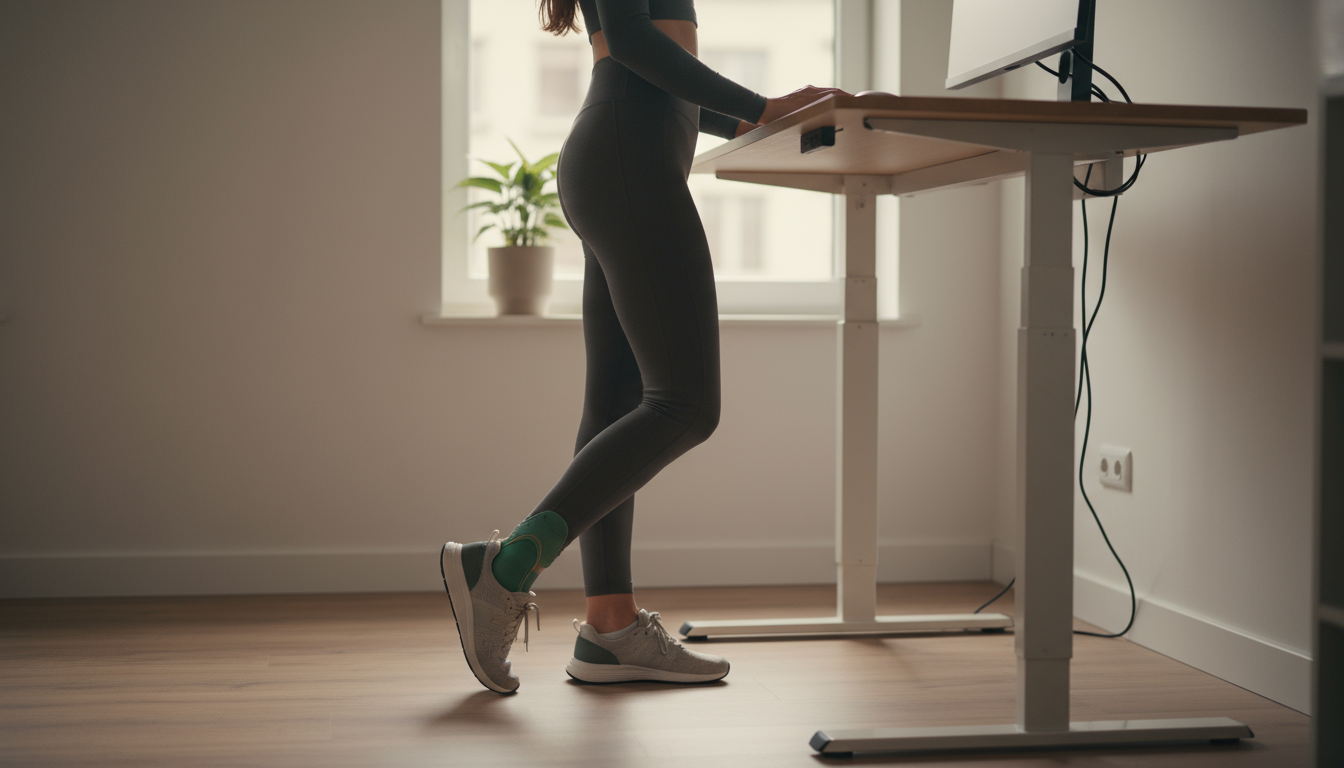
Modern work environments are evolving rapidly, with standing desks becoming a staple in offices around the world. While standing rather than sitting for prolonged periods offers numerous health benefits, it also introduces new challenges – particularly for your feet. The wrong footwear choices or believing common misconceptions about what makes a “good shoe” can lead to significant foot pain, fatigue, and even long-term damage. This is especially true when you’re standing for extended periods at your desk.
Unfortunately, many of us unknowingly subscribe to footwear myths that could be silently damaging our feet. From the belief that “breaking in” painful shoes is normal to assuming that expensive automatically equals supportive, these misconceptions can have serious consequences for foot health. For those embracing standing desks, proper foot support becomes even more crucial.
In this comprehensive guide, we’ll debunk the most common footwear myths that might be hurting your feet, particularly during long standing sessions, and explore how solutions like memory foam insoles can provide the comfort and support your feet genuinely need.
Myth 1: All Shoes Eventually “Break In” and Become Comfortable
One of the most persistent and harmful footwear myths is the idea that shoes that hurt initially will eventually “break in” and become comfortable. This misconception leads many people to endure unnecessary pain and potentially cause lasting damage to their feet.
The truth is that while some shoes may slightly adapt to your feet over time, properly fitting footwear should feel comfortable from the first wear. If shoes cause pain, pinching, or rubbing, it’s usually a sign that they’re fundamentally the wrong size, width, or shape for your unique foot structure – not that they need breaking in.
For those using standing desks, this myth is particularly dangerous. Standing for hours in ill-fitting shoes can lead to:
- Blisters and calluses from friction
- Compressed toes and potential deformities
- Plantar fasciitis from inadequate arch support
- Back and hip alignment issues
- Increased fatigue and reduced productivity
Instead of waiting for painful shoes to magically become comfortable, consider adding memory foam shoe inserts to provide immediate comfort and support. Quality memory foam insoles for men and women like CRUVHEAL can transform even moderately fitting shoes into truly comfortable footwear that supports your standing work sessions.
Myth 2: Flat Shoes Are Always Better for Your Feet Than Heels
While excessively high heels are certainly problematic for foot health, the common belief that completely flat shoes are always the healthier alternative is misleading. Completely flat shoes like ballet flats, flip-flops, and some casual sneakers often lack crucial arch support and cushioning.
When standing at your desk for long periods, completely flat footwear can lead to:
- Overpronation (excessive inward foot rolling)
- Arch collapse and flat feet development
- Plantar fasciitis (inflammation of the tissue connecting heel to toes)
- Increased strain on ankles, knees, and lower back
- Excessive pressure on the heel and ball of the foot
The ideal footwear for standing desk users typically features a small heel-to-toe drop (around 4-12mm) and proper arch support. If your preferred shoes lack these features, foam insoles can make a significant difference. Memory foam technology, like that used in CRUVHEAL insoles, conforms to the unique contours of your feet, providing customized support exactly where you need it most.
Myth 3: Expensive Shoes Always Provide Better Support
Many people assume that a higher price tag automatically translates to better foot support and comfort. While quality materials and construction often do cost more, price alone is not a reliable indicator of how well a shoe will support your feet – especially during extended standing periods.
Expensive designer shoes are frequently built for fashion rather than function, prioritizing aesthetics over ergonomics. Conversely, some reasonably priced footwear brands focus specifically on comfort and support features that benefit standing desk users.
The truth is that proper support depends on multiple factors including:
- Adequate arch support that matches your foot type
- Cushioning in high-impact areas
- Proper toe box width to prevent compression
- Heel stability and appropriate motion control
- Materials that accommodate your unique pressure points
Rather than focusing solely on price, consider enhancing your existing footwear with quality cushion inserts for shoes. High-performance memory foam insoles can transform even modestly priced shoes into supportive footwear that helps prevent fatigue during long standing sessions at your desk.
Myth 4: Pain and Fatigue Are Normal When Standing for Long Periods
Many standing desk enthusiasts incorrectly believe that foot pain, discomfort, and fatigue are simply inevitable consequences of standing for extended periods. This harmful myth often prevents people from seeking appropriate solutions to their discomfort.
While standing certainly requires more energy than sitting, proper support should significantly reduce or eliminate pain. Persistent discomfort when standing is usually a sign that your feet lack adequate support, cushioning, or alignment – not that pain is normal.
Common symptoms that indicate insufficient foot support include:
- Burning sensation in the balls of the feet or heels
- Aching arches or shooting pain in the arch area
- Swelling in the feet and ankles by day’s end
- Cramping in the feet or calf muscles
- Pain that radiates up into the knees or lower back
Addressing these issues often requires comprehensive foot support. CRUVHEAL memory foam insoles provide exceptional cushioning that absorbs impact forces while standing, reducing fatigue and discomfort. Their ergonomic design helps maintain proper foot alignment, potentially eliminating many common sources of standing-related pain.
Myth 5: One Pair of Shoes Is Sufficient for All Activities
Many people believe they can use a single pair of shoes for all their activities, from casual walking to standing all day at a desk to exercise. This approach significantly increases the risk of foot problems, especially for those who use standing desks.
Different activities place unique stresses on different parts of the foot. Walking requires flexibility and heel cushioning, while standing demands consistent, even support across the entire foot. Athletic activities typically need specialized stability and impact absorption.
While maintaining multiple activity-specific shoes is ideal, this isn’t always practical. A more accessible solution is to use specialized memory foam shoe inserts that can be transferred between different footwear depending on your daily activities. This approach allows you to customize your foot support for various scenarios without investing in numerous specialty shoes.
When selecting foam insoles for standing desk work, look for:
- Full-length coverage that supports the entire foot
- Higher density foam that won’t compress completely during all-day use
- Contoured arch support that matches your foot type
- Deep heel cups that improve stability and alignment
- Breathable materials that prevent excessive heat and moisture
Myth 6: Foot Size Remains Constant Throughout Adulthood
Many adults assume their foot size remains unchanged once they reach adulthood. This misconception often leads people to continue wearing the same shoe size for decades without reassessment, potentially causing significant foot problems – especially when standing for extended periods.
In reality, adult feet commonly change size and shape due to factors including:
- Weight fluctuations that alter foot width and pressure distribution
- Pregnancy, which can permanently increase foot size
- Aging, which typically causes feet to widen and arches to flatten
- Standing occupations or habits that can gradually change foot structure
- Health conditions like arthritis that modify foot shape and comfort needs
For standing desk users, wearing shoes based on outdated sizing information can exacerbate discomfort and fatigue. Experts recommend getting your feet measured professionally at least once every few years to ensure your footwear properly accommodates your current foot dimensions.
If you’ve noticed increased discomfort when standing, but aren’t ready to replace your entire shoe collection, memory foam insoles can be an effective intermediate solution. High-quality options like CRUVHEAL insoles conform to your feet’s current shape, providing customized support even if your foot dimensions have changed slightly since purchasing your shoes.
Myth 7: Arch Support Is Only Necessary for People with Flat Feet
A persistent misconception is that arch support is only beneficial for those with flat feet or fallen arches. This leads many people with normal or high arches to overlook the importance of proper arch support, particularly when standing for extended periods.
The truth is that virtually everyone benefits from appropriate arch support, regardless of their natural arch height. During prolonged standing, even normal arches tend to flatten somewhat as muscles fatigue. Without proper support, this can lead to:
- Excessive strain on the plantar fascia (the tissue supporting your arch)
- Improper weight distribution across the foot
- Increased pressure on the heel and ball of the foot
- Overpronation (inward rolling of the foot)
- Alignment issues affecting ankles, knees, hips, and back
For standing desk users, consistent arch support throughout the day is crucial for preventing fatigue and maintaining comfort. Memory foam insole technology excels at providing custom-fitted arch support that adapts to your unique foot structure. The responsive material gives just enough support without being overly rigid, making products like CRUVHEAL memory foam insoles ideal for all-day standing comfort regardless of your natural arch type.
Myth 8: Cushioning Alone Is Sufficient for Proper Foot Support
Many people equate maximum cushioning with optimal foot support, leading them to choose excessively soft shoes or basic foam pads that feel plush initially but provide inadequate structural support during extended standing.
While cushioning is certainly important for comfort, especially when standing all day, it must be balanced with proper structural elements that maintain correct foot alignment. Excessive cushioning without adequate support can actually worsen problems by allowing the foot to sink into improper positions.
An ideal approach for standing desk users combines:
- Strategic cushioning in high-pressure areas (heel and ball of foot)
- Firm support beneath the arch to maintain proper alignment
- Stability features that prevent excessive motion and pronation
- Materials that respond to body heat and weight for custom support
- Designs that distribute pressure evenly across the entire foot
High-quality memory foam shoe inserts like CRUVHEAL provide this optimal balance between cushioning and support. Their multi-layer design combines softer memory foam for comfort with denser supportive layers that maintain proper foot structure during prolonged standing periods.
Myth 9: Orthotics and Insoles Are Only for Foot Problems or Medical Conditions
A common misconception is that orthotic inserts and specialized insoles are only necessary for people with diagnosed foot conditions or pain. This leads many standing desk users to overlook these supportive tools as preventative measures.
In reality, quality cushion inserts for shoes serve both therapeutic and preventative purposes. For those without existing foot problems, properly designed insoles can:
- Prevent the development of common foot issues like plantar fasciitis
- Reduce fatigue during extended standing periods
- Improve posture and alignment throughout the kinetic chain
- Enhance comfort and productivity during standing desk work
- Extend the functional lifespan of your footwear
Waiting until you experience pain or develop a foot condition before considering supportive insoles is comparable to waiting for a cavity before brushing your teeth. Preventative support is always preferable to remedial treatment.
For standing desk enthusiasts seeking preventative support, foam insoles with memory properties offer an accessible entry point. Products like CRUVHEAL insoles provide exceptional support without requiring medical prescriptions or custom fitting, making them ideal for maintaining foot health before problems develop.
Myth 10: All Memory Foam Insoles Provide Equal Support and Comfort
As memory foam insoles have gained popularity, a misconception has emerged that all memory foam products offer similar benefits. This leads many consumers to choose based solely on price or brand recognition, potentially missing out on superior support features essential for standing desk users.
In reality, significant differences exist between memory foam insole products, including:
- Density and durability of the foam materials
- Presence of multiple density zones for targeted support
- Integration of additional stability features beyond foam
- Temperature responsiveness of the memory materials
- Overall design ergonomics and anatomical contouring
For those using standing desks, these differences are particularly important. Lower-quality memory foam shoe inserts may compress completely within hours of standing, losing their supportive properties when you need them most.
Premium options like CRUVHEAL memory foam insoles are specifically engineered for extended wear scenarios. Their multilayer construction maintains support throughout the day, while the high-grade memory foam retains its responsive properties even after hours of continuous pressure.
Conclusion: Choosing the Right Support for Your Standing Desk Lifestyle
As standing desks continue to revolutionize our work environments, proper foot support becomes increasingly crucial for comfort, health, and productivity. By debunking these common footwear myths, we hope to have highlighted the importance of appropriate foot support during extended standing periods.
Rather than suffering through discomfort or risking long-term foot problems, consider enhancing your standing experience with quality memory foam insoles. These accessible solutions can transform ordinary footwear into standing-friendly support systems that keep you comfortable throughout your workday.
For those ready to experience the difference that proper foot support can make, CRUVHEAL memory foam insoles offer an excellent combination of cushioning comfort and structural support specifically designed for people who stand for extended periods. Your feet deserve the same level of care and attention as the rest of your ergonomic workspace!