
How Extra Weight Influences Walking Speed and Stability: Understanding Gait Mechanics and Finding Support
September 11, 2026
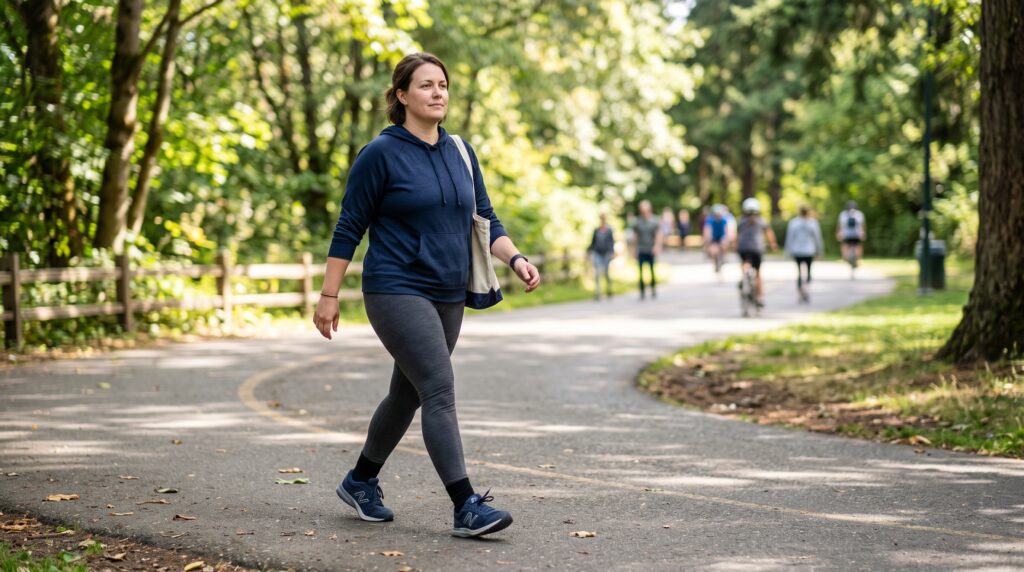
Walking is one of the most fundamental human movements, yet carrying extra body weight significantly impacts how we move, our walking speed, and our overall stability. Understanding the biomechanics behind weight-related gait changes is essential for anyone looking to improve their mobility, reduce discomfort, and maintain long-term musculoskeletal health. Whether you work on your feet all day or simply want to walk more comfortably, recognizing how body weight affects your stride can help you make informed decisions about proper support and footwear.
This comprehensive guide explores the intricate relationship between body weight and walking mechanics, examining how additional pounds influence everything from joint stress to energy expenditure. More importantly, we’ll discuss practical solutions that can help mitigate these effects and improve your walking experience, regardless of your current weight.
The Biomechanics of Walking Under Extra Weight
When you carry extra body weight, your entire musculoskeletal system must work harder to maintain proper gait mechanics. Each step requires your joints, muscles, tendons, and ligaments to absorb and redistribute forces that increase proportionally with body mass. Research indicates that for every pound of body weight, approximately four pounds of pressure is exerted on the knee joints during walking, and this multiplies during activities like climbing stairs or running.
The biomechanical changes associated with extra weight include altered hip and knee flexion angles, increased ground reaction forces, and modified foot positioning during the gait cycle. These adaptations often occur unconsciously as your body attempts to maintain balance and reduce discomfort. However, these compensatory patterns can lead to inefficient movement patterns that further compromise walking speed and stability over time.
Additionally, individuals with higher body mass index typically demonstrate increased lateral trunk sway and wider step width, which represents the body’s natural attempt to create a more stable base of support. While this adaptation helps prevent falls, it also reduces walking efficiency and increases energy expenditure with each step taken.
How Body Weight Affects Walking Speed
Walking speed naturally decreases as body weight increases, and this relationship involves multiple contributing factors. The primary reason is the increased metabolic cost of movement—simply put, it requires more energy to move a heavier body through space. Studies have shown that individuals carrying extra weight often walk 10-20% slower than their normal-weight counterparts over similar distances.
Beyond the energy demands, extra weight affects walking speed through several mechanisms:
- Reduced joint range of motion, particularly in the hips and ankles
- Decreased cardiovascular efficiency leading to earlier fatigue
- Joint discomfort or pain that encourages a more cautious gait
- Altered muscle activation patterns that reduce propulsive force
- Increased fear of falling, which psychologically limits speed
The impact on walking speed becomes particularly noticeable during prolonged standing or walking activities, such as those required by warehouse workers or individuals who spend their days on concrete floors. These environments demand both endurance and sustained mobility, making the weight-related reduction in walking speed more than just an inconvenience—it can affect job performance and overall quality of life.
Stability Challenges and Balance Concerns
Extra weight doesn’t just slow you down; it fundamentally alters your stability and balance control. The center of mass shifts higher and more forward in individuals carrying additional weight, particularly abdominal weight. This repositioning makes maintaining equilibrium more challenging and increases fall risk, especially on uneven surfaces or during direction changes.
Balance control relies on three primary systems: visual input, vestibular function (inner ear), and proprioception (body position awareness). While extra weight doesn’t directly impair the visual or vestibular systems, it significantly affects proprioception by altering sensory feedback from the feet and joints. This reduced proprioceptive acuity makes it harder to detect and correct balance disturbances quickly.
Furthermore, the increased joint loading associated with extra weight can lead to joint instability, particularly in weight-bearing joints like the ankles and knees. This instability creates a vicious cycle where reduced stability leads to cautious movement patterns, which in turn can weaken stabilizing muscles and further compromise balance over time.
Energy Expenditure and Foot Fatigue
The metabolic cost of walking increases substantially with extra body weight. Research demonstrates that energy expenditure during walking can be 20-30% higher in individuals with obesity compared to those at normal weight, even when walking at slower speeds. This increased energy demand leads to quicker fatigue, reduced exercise tolerance, and decreased motivation for physical activity.
Foot fatigue represents one of the most common complaints among individuals carrying extra weight, particularly those who must stand or walk for extended periods at work. The feet bear the entire body’s weight with each step, and the cumulative stress over thousands of daily steps can cause significant discomfort. Common symptoms include:
- Plantar fasciitis and heel pain from excessive strain on the plantar fascia
- Metatarsalgia (forefoot pain) from increased pressure on the ball of the foot
- Flat foot progression as the arch collapses under sustained weight
- General achiness and burning sensations throughout the foot
- Ankle instability and frequent rolling or twisting injuries
These conditions not only cause immediate discomfort but can also create compensatory movement patterns that affect the entire kinetic chain, potentially leading to knee, hip, and lower back problems over time.
The Critical Role of Proper Arch Support
Given the increased forces acting on the feet during weight-bearing activities, proper arch support becomes absolutely essential for individuals carrying extra weight. The foot’s arch functions as a natural shock absorber, distributing forces evenly across the foot structure. However, extra weight can overwhelm this system, causing the arch to collapse or flatten excessively during the stance phase of gait.
For individuals with naturally high arches, the challenge is different but equally significant. High-arched feet tend to be more rigid and less effective at shock absorption, meaning the increased forces from extra weight are transmitted more directly to the joints and skeleton. High arch support insoles help by providing cushioning and promoting more even pressure distribution across the foot.
Conversely, individuals with normal or low arches who carry extra weight often benefit from firm arch support insoles that prevent excessive pronation (inward rolling of the foot). Insoles for overpronation with a deep heel cup help stabilize the heel and maintain proper foot alignment throughout the gait cycle, reducing strain on the plantar fascia and posterior tibial tendon.
Choosing the Right Insoles for Maximum Support
Not all insoles are created equal, and individuals carrying extra weight require heavy duty work insoles specifically designed to withstand increased forces. When selecting insoles for heavy people, several features are essential for optimal support and durability:
- Firm, supportive materials that won’t compress excessively under weight
- Deep heel cups that stabilize the heel and control motion
- Substantial arch support that maintains the foot’s natural alignment
- Shock-absorbing cushioning in high-impact areas like the heel and forefoot
- Moisture-wicking materials to keep feet dry during extended wear
- Durable construction that maintains support over months of daily use
For those who require work boot insoles or spend their days as warehouse workers on hard surfaces, orthotic work insoles provide the combination of support, cushioning, and durability needed to reduce foot fatigue and maintain comfort throughout long shifts. These supportive insoles for work are specifically engineered to handle the demands of industrial environments and prolonged standing.
If you’re looking for professional-grade support designed specifically for demanding work environments and extended periods on your feet, explore these heavy-duty orthotic insoles with firm arch support and deep heel cups that provide the stability and cushioning necessary for all-day comfort, regardless of your body weight or work demands.
Practical Strategies to Improve Walking Mechanics
While proper footwear and insoles for standing all day provide essential foundation support, several complementary strategies can help improve walking speed and stability for individuals carrying extra weight:
- Strengthen core and lower body muscles: Strong glutes, quadriceps, and core muscles help stabilize the pelvis and maintain proper alignment during walking.
- Practice balance exercises: Simple exercises like single-leg stands or tandem walking improve proprioception and balance control.
- Focus on proper walking technique: Maintain upright posture, look forward rather than down, and roll through each step from heel to toe.
- Wear appropriate footwear: Shoes with firm heel counters, adequate toe box space, and removable insoles that can be replaced with insoles for concrete floors provide necessary support.
- Take regular movement breaks: If you work in a standing position, periodic sitting breaks reduce cumulative stress on the feet and legs.
- Consider walking aids if needed: There’s no shame in using a cane or walking stick for additional stability when necessary.
These strategies work synergistically with proper foot support to optimize your gait mechanics and reduce the negative impacts of extra weight on walking performance.
Long-Term Considerations and Health Implications
The effects of extra weight on walking mechanics extend beyond immediate comfort concerns. Over time, altered gait patterns and increased joint loading can accelerate degenerative changes in weight-bearing joints, particularly the knees and hips. Osteoarthritis development is strongly correlated with both excess body weight and abnormal joint mechanics, making proper support and movement patterns essential for long-term joint health.
Additionally, the reduced walking speed and increased energy expenditure associated with extra weight can create a negative feedback loop. As walking becomes more difficult and uncomfortable, physical activity levels often decrease, which can lead to further weight gain and deconditioning. This cycle makes it progressively harder to maintain mobility and independence over time.
Breaking this cycle requires a multifaceted approach that addresses both the biomechanical challenges through proper support and the broader lifestyle factors that influence weight and fitness. Even modest improvements in walking comfort and efficiency can increase daily activity levels, which contributes to better overall health outcomes and quality of life.
Conclusion: Taking Steps Toward Better Mobility
Extra body weight profoundly influences walking speed and stability through multiple interconnected mechanisms, from altered joint mechanics to increased energy demands. Understanding these effects empowers you to take proactive steps to protect your joints, improve your gait, and maintain mobility regardless of your current weight.
The foundation of comfortable, efficient walking for individuals carrying extra weight begins with proper foot support. Insoles for high arches, firm arch support insoles, and heavy duty work insoles provide the structural support necessary to maintain proper alignment, reduce excessive motion, and distribute forces more evenly across the foot. Combined with appropriate footwear, strength training, and attention to walking mechanics, quality insoles can dramatically improve your walking experience and reduce foot fatigue.
Whether you’re a warehouse worker spending hours on concrete floors or simply someone looking to walk more comfortably in daily life, investing in proper foot support is one of the most effective steps you can take to improve your mobility, reduce discomfort, and protect your long-term joint health. Your feet carry you through life—giving them the support they need is an investment in your future mobility and well-being.