
Foot Safety Beyond Construction: Essential Protection for Unexpected Industries
September 10, 2026
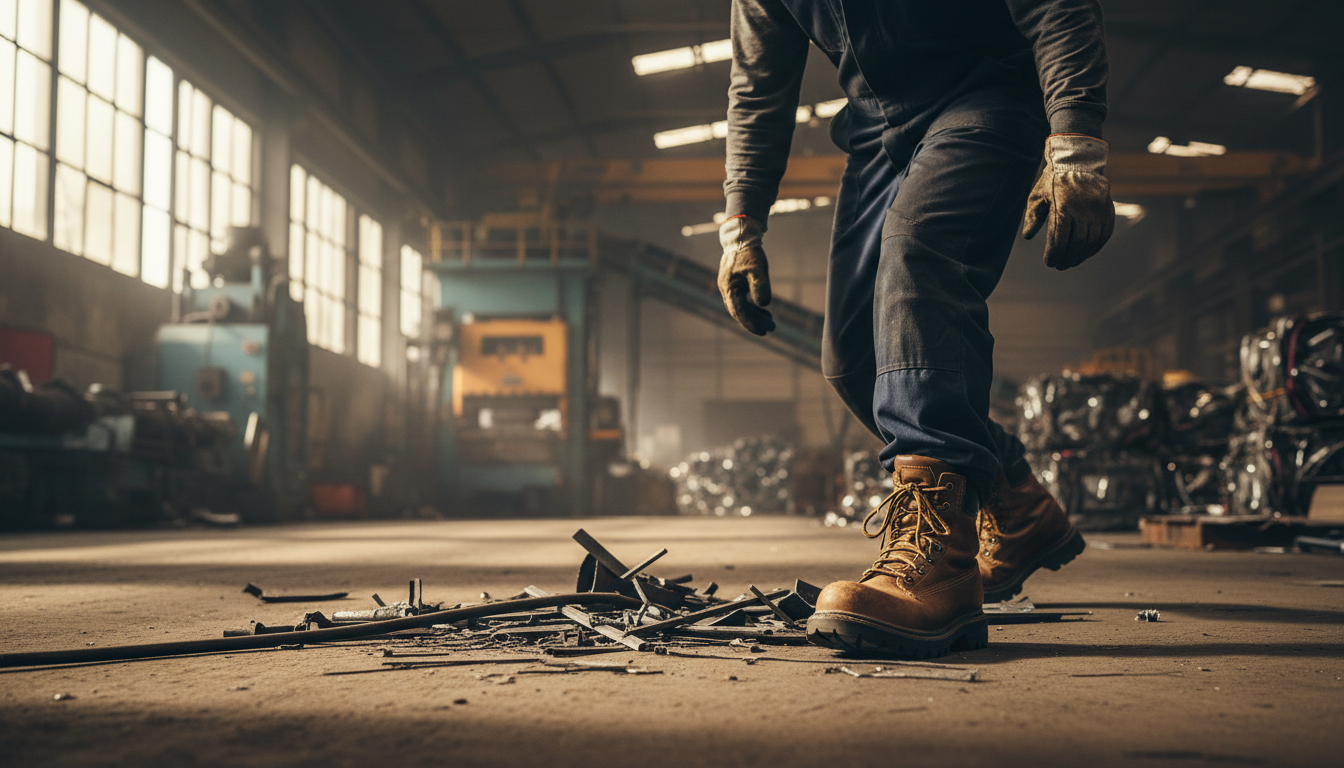
When most people think about workplace foot safety and puncture resistant insoles, construction sites immediately come to mind. Images of hard hats, steel-toed boots, and workers navigating nail-strewn environments dominate our perception of occupational hazards. However, the reality is that numerous industries face similar—and sometimes even greater—risks to foot safety that often go unrecognized until an injury occurs.
The need for protective insoles and proper foot protection extends far beyond construction zones. From healthcare facilities to agricultural fields, from recycling centers to airport tarmacs, workers across diverse sectors encounter sharp objects, penetration hazards, and challenging terrain that can compromise foot safety. Understanding these hidden dangers is the first step toward preventing painful and potentially career-ending injuries.
This comprehensive guide explores the surprising industries where steel plate insoles and puncture-proof protection are not just recommended—they’re essential. Whether you’re an employer seeking to improve workplace safety or a professional looking to protect yourself, recognizing these often-overlooked hazards can make all the difference in maintaining healthy, injury-free feet throughout your career.
Healthcare and Medical Facilities: Hidden Sharps Everywhere
Healthcare workers face constant exposure to sharp instruments, needles, and broken glass or ceramic materials. Emergency room staff, surgical technicians, and laboratory professionals work in environments where discarded needles, scalpel blades, and broken vials create serious puncture risks. A dropped syringe or improperly disposed sharp object can easily penetrate standard footwear.
Housekeeping and environmental services staff in hospitals are particularly vulnerable. These workers handle biohazard waste, clean operating rooms, and manage laundry that may contain concealed sharps. Puncture proof insoles provide an essential layer of defense that complements standard safety protocols, protecting against needlestick injuries through the sole of the shoe.
Dental offices, veterinary clinics, and outpatient surgical centers present similar hazards. The combination of small, sharp instruments in high-stress environments means that objects frequently fall to the floor, creating unexpected puncture risks for anyone in the vicinity.
Waste Management and Recycling Operations
Waste management professionals work in one of the most hazardous environments for foot injuries. Recycling center workers, garbage collectors, and landfill operators constantly encounter broken glass, exposed nails, metal shards, and countless other sharp objects hidden within waste materials. The unpredictable nature of refuse makes every step a potential hazard.
Employees sorting recyclables face particular danger as they manually handle materials that may contain concealed sharps. Broken bottles, torn metal cans with jagged edges, and discarded construction materials regularly pass through these facilities. Steel plate shoe inserts offer critical protection that standard work boots cannot provide alone.
Consider these specific hazards waste management workers face daily:
- Broken glass bottles and containers embedded in compacted waste
- Exposed nails and screws from dismantled furniture and pallets
- Metal shards from crushed appliances and electronics
- Discarded medical sharps from residential waste
- Industrial debris including wire fragments and sharp plastics
- Broken ceramic materials and sharp-edged tiles
Agriculture and Farming: Natural and Mechanical Hazards
Agricultural workers encounter a unique combination of natural and man-made puncture hazards. Thorns, sharp plant stems, broken irrigation equipment, and discarded farm machinery parts create constant risks. Workers in orchards, vineyards, and nurseries navigate terrain littered with pruning debris, wire stakes, and sharp tools.
Livestock operations present additional challenges. Barn environments contain exposed nails in older structures, broken fencing materials, and metal fragments from equipment repair. Ranch hands and dairy workers benefit significantly from protective boot insoles that safeguard against both biological and mechanical hazards.
Harvest season intensifies these risks. Mechanized harvesting equipment can scatter sharp mechanical components, while manual harvesting brings workers into direct contact with thorny plants, sharp stalks, and hidden debris in crop fields. The rural nature of agricultural work often means that medical assistance is far away, making prevention through proper protective equipment absolutely critical.
Transportation and Logistics Industries
Warehouse workers, shipping dock employees, and logistics personnel face underestimated foot safety risks. These facilities handle goods packaged with metal strapping, secured with industrial staples, and often damaged during transit—exposing sharp edges and protruding fasteners. Broken pallets with exposed nails are commonplace in busy distribution centers.
Airport ground crew and cargo handlers work around aircraft maintenance debris, metal shavings, and sharp objects that fall from cargo containers. The fast-paced nature of these operations means workers may not always see hazards before stepping on them. Safety boot insoles provide passive protection that doesn’t require constant vigilance.
Railway maintenance workers and marine port employees encounter similar hazards. Railway yards contain metal fragments from track maintenance, while shipping ports feature sharp metal edges on containers, broken machinery parts, and industrial debris. For these professionals, industrial work insoles are as essential as high-visibility clothing.
Hospitality and Food Service Establishments
Restaurant kitchens and commercial food preparation facilities present surprising puncture risks. Broken dishware, shattered glass, fallen knives, and opened can lids with sharp edges frequently hit kitchen floors during busy service periods. Kitchen staff working quickly under pressure may not notice these hazards before stepping on them.
Hotel maintenance staff and event venue workers regularly encounter broken glass in ballrooms, conference centers, and guest areas. The combination of carpeted surfaces that hide hazards and the need to work quickly makes puncture proof shoe inserts a valuable safety investment for hospitality professionals.
Catering operations involve transporting equipment and supplies in and out of diverse venues. This exposes workers to unfamiliar environments that may contain construction debris, broken fixtures, or outdoor hazards. Proper foot protection becomes even more important when working in unpredictable settings.
Manufacturing and Industrial Settings Beyond Construction
Manufacturing facilities across various industries generate metal shavings, plastic fragments, and sharp production waste. Electronics manufacturing produces sharp circuit board fragments and fine metal wires. Automotive plants feature metal shavings from machining operations and sharp stamped parts.
Textile and garment factories use thousands of needles, pins, and cutting implements that occasionally fall to production floors. Workers in these facilities benefit from the same level of protection as construction workers, yet foot safety in these settings often receives less attention.
The following industries particularly benefit from enhanced foot protection:
- Metal fabrication shops: Metal shavings, sharp cutoffs, and welding debris create constant puncture risks
- Glass manufacturing: Glass fragments of all sizes pose severe penetration hazards
- Plastics production: Sharp trimmed edges and broken molds present unexpected dangers
- Electronics assembly: Small components with sharp leads and broken circuit boards litter work areas
- Automotive repair: Metal fragments, broken tools, and sharp vehicle components accumulate in service bays
Implementing Comprehensive Foot Safety Programs
Recognizing that your industry faces puncture hazards is only the first step. Implementing effective protection requires selecting appropriate safety shoe inserts that meet the specific demands of your work environment. Not all protective insoles offer the same level of protection or comfort for extended wear periods.
Quality steel shank insoles should provide puncture resistance while maintaining flexibility and comfort. Workers who experience foot fatigue or discomfort are less likely to consistently wear protective equipment, compromising safety. The best protection combines puncture resistance with ergonomic design and moisture management.
For professionals seeking comprehensive protection that doesn’t compromise comfort, heavy duty insoles designed specifically for puncture resistance offer the ideal solution. These advanced insoles integrate steel or composite plates that prevent sharp objects from penetrating while providing the cushioning and support needed for all-day wear. To explore professional-grade protection engineered for diverse work environments, discover these high-performance puncture resistant insoles that combine safety with comfort.
Selecting the Right Protection for Your Specific Needs
Different work environments require different approaches to foot protection. Insoles for warehouse workers must accommodate the extended periods of walking and standing common in logistics facilities. Insoles for demolition work need maximum puncture resistance for extreme hazard environments, while healthcare workers may prioritize thinner profiles that fit within professional footwear.
Consider these factors when selecting protective insoles for your specific industry:
- The typical size and sharpness of objects you might encounter
- Whether you primarily stand, walk, or perform varied movements
- The type of footwear your industry requires or permits
- Temperature conditions and moisture exposure in your work environment
- Any existing foot conditions that require additional support
Remember that work boot protection is most effective when it combines quality footwear with appropriate insoles. Even the best work boots have vulnerable sole areas where flexibility is necessary, making supplemental insole protection valuable regardless of your boot quality.
Conclusion: Expanding Our Understanding of Workplace Foot Safety
Foot safety is not exclusive to construction sites. As we’ve explored throughout this article, workers in healthcare, waste management, agriculture, transportation, hospitality, and diverse manufacturing sectors all face significant puncture hazards that demand proper protection. The consequences of inadequate foot protection—painful injuries, lost work time, potential infections, and long-term foot damage—remain the same regardless of industry.
Investing in quality protective insoles represents a small cost compared to the potential consequences of foot injuries. For employers, providing appropriate protection demonstrates commitment to worker safety and can significantly reduce workplace injury rates. For individual workers, taking personal responsibility for foot safety through proper protective equipment is an investment in career longevity and quality of life.
Whether you’re working in an emergency room, sorting recyclables, maintaining railway infrastructure, or managing a busy commercial kitchen, your feet deserve the same level of protection afforded to construction workers. By recognizing the puncture hazards in your specific work environment and selecting appropriate durable work insoles with proven puncture resistance, you’re taking a critical step toward preventing injuries that could sideline your career and impact your long-term health.
Don’t wait until an injury occurs to prioritize foot safety. Evaluate your work environment today, identify the specific hazards you face, and implement comprehensive protection that keeps you safe, comfortable, and productive throughout your entire career. Your feet carry you through every workday—they deserve protection that goes beyond the expected and addresses the real hazards you encounter in your unique professional environment.