
How Strong Foot Muscles and Quality Running Insoles Improve Jumping Ability for Athletic Performance
August 23, 2026
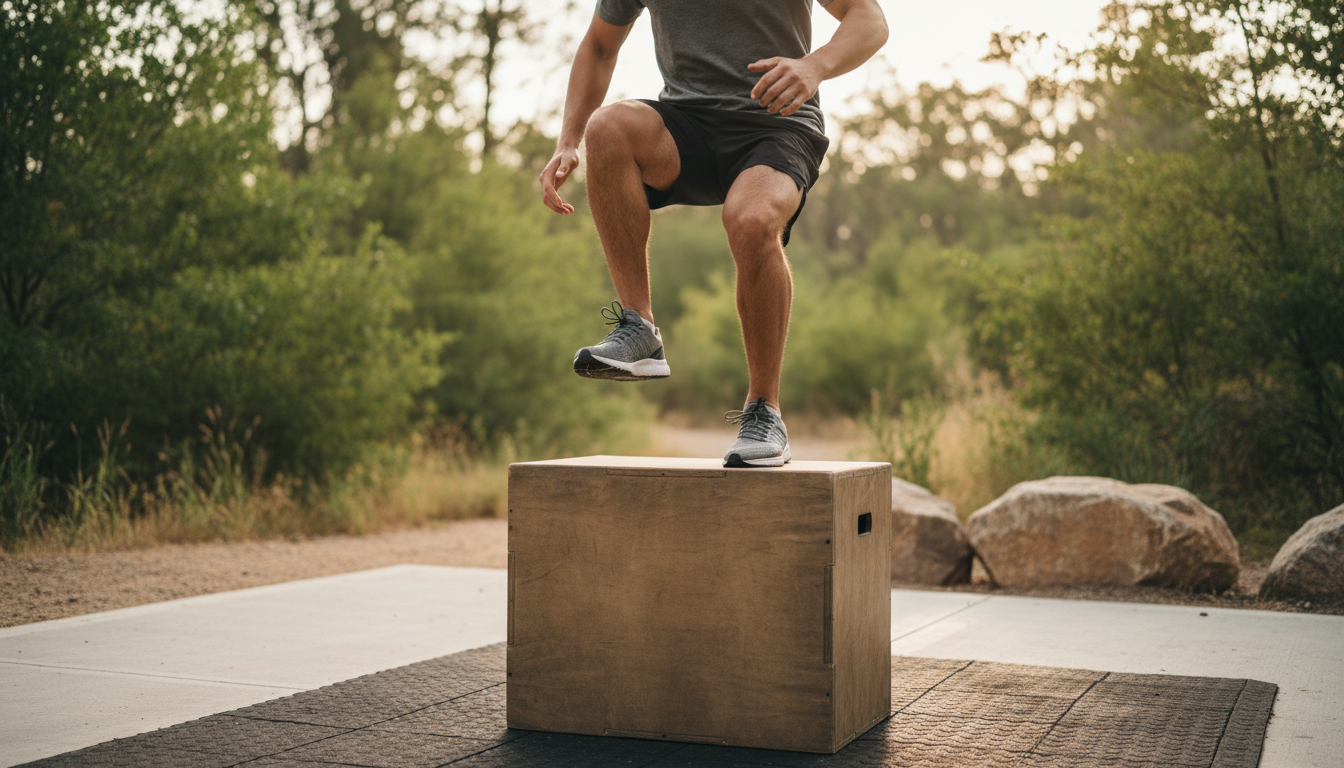
When athletes and fitness enthusiasts think about improving their jumping ability, they typically focus on strengthening their quadriceps, hamstrings, and calves. However, there’s a critical foundation that’s often overlooked: the muscles in your feet. These intricate structures containing 26 bones, 33 joints, and over 100 muscles, tendons, and ligaments play a fundamental role in generating explosive power during jumps, sprints, and dynamic movements. Understanding how foot strength contributes to athletic performance can transform your training approach and unlock your true jumping potential.
The connection between foot muscle strength and jumping ability extends far beyond simple mechanics. Your feet serve as the primary interface between your body and the ground, transmitting forces that can exceed several times your body weight during explosive movements. When combined with proper footwear support like sport insoles and athletic shoe insoles, strong foot muscles create a stable platform that maximizes power transfer and reduces injury risk during high-impact activities.
The Biomechanics of Foot Muscles in Explosive Movements
The foot’s architecture functions as a complex spring system that stores and releases elastic energy during jumping motions. The intrinsic foot muscles—those located entirely within the foot—work in concert with extrinsic muscles that originate in the lower leg to control foot position and stiffness. During the loading phase of a jump, these muscles contract to maintain the foot’s arch structure, preventing collapse and ensuring efficient energy storage in the plantar fascia and other connective tissues.
Research demonstrates that athletes with stronger intrinsic foot muscles exhibit greater arch stiffness during dynamic activities. This increased stiffness translates directly to improved force production and reduced energy loss during the push-off phase of jumping. The foot essentially becomes a more rigid lever, allowing the larger muscles of the leg to transmit their power more effectively to the ground. Quality shock absorbing insoles can complement this natural mechanism by providing additional stability and cushioning during high-impact landings.
The plantar muscles, including the flexor digitorum brevis, abductor hallucis, and quadratus plantae, play particularly important roles in jump performance. These muscles stabilize the metatarsophalangeal joints and help maintain proper toe alignment during push-off. When these muscles are weak, the foot becomes less stable, leading to energy leaks and reduced power output. Athletes serious about improving their vertical jump must address foot strength as a foundational component of their training program.
Key Foot Muscles That Enhance Jumping Power
Understanding which specific foot muscles contribute most significantly to jumping ability helps athletes target their strengthening efforts more effectively. The following muscles deserve special attention in any jump-training program:
- Flexor hallucis brevis: Controls the big toe’s motion and provides critical stability during the final push-off phase of jumping
- Abductor hallucis: Supports the medial longitudinal arch and prevents excessive pronation during landing
- Flexor digitorum brevis: Flexes the lesser toes and contributes to overall forefoot stability
- Quadratus plantae: Assists in toe flexion and helps maintain arch integrity under load
- Lumbricals and interossei: Fine-tune toe position and contribute to precise force application during push-off
- Abductor digiti minimi: Stabilizes the lateral border of the foot during dynamic movements
Each of these muscles works within a coordinated system that responds to ground reaction forces and adjusts foot position in milliseconds. When strengthened through targeted exercises and supported by appropriate insoles for running and jumping activities, they create a more responsive and powerful foundation for athletic performance. The integration of cushioned sport insoles can further enhance comfort during training sessions focused on building foot strength.
Scientific Evidence Linking Foot Strength to Jump Performance
Multiple studies have established clear connections between intrinsic foot muscle strength and athletic performance metrics, including vertical jump height. A landmark 2015 study published in the Journal of Sports Sciences found that athletes with greater toe flexor strength demonstrated significantly higher countermovement jump performance compared to those with weaker foot muscles. The researchers concluded that foot muscle strength should be considered an essential component of lower extremity power development.
Another investigation examined the relationship between arch stiffness and jump height in collegiate basketball players. The findings revealed that players with stiffer foot arches—a characteristic associated with stronger intrinsic foot musculature—achieved greater jump heights and more efficient force production. These athletes also reported fewer foot and ankle injuries over the course of the season, suggesting that foot strength contributes to both performance enhancement and injury prevention.
More recent research has explored how foot muscle training programs can improve athletic performance. Studies implementing 8-12 week foot strengthening protocols have documented improvements in vertical jump height ranging from 3-7%, improvements that can make a significant difference in competitive sports. These gains occur without increases in body weight, making them particularly valuable for athletes in weight-sensitive sports. Pairing these training programs with quality insoles for training can optimize results by ensuring proper foot alignment during exercises.
Practical Exercises to Strengthen Foot Muscles for Better Jumping
Developing stronger foot muscles doesn’t require expensive equipment or complicated training protocols. The following progressive exercise sequence can be implemented by athletes at any level to enhance foot strength and improve jumping performance:
- Toe Yoga: Practice isolating the big toe from the lesser toes, lifting each independently while keeping the others flat on the ground. Perform 3 sets of 10 repetitions daily to improve neuromuscular control.
- Short Foot Exercise: Create a “shortened” foot by drawing the ball of your foot toward your heel without curling your toes. Hold for 5-10 seconds and repeat 15 times. This foundational exercise activates the intrinsic foot muscles.
- Towel Scrunches: Place a towel on the floor and use your toes to gather it toward you. Add resistance by placing a weight on the towel’s far end. Complete 3 sets of 20 repetitions.
- Marble Pickups: Use your toes to pick up marbles or small objects and place them in a container. This exercise enhances both strength and dexterity in the plantar muscles.
- Single-Leg Balance: Stand on one foot on an unstable surface for 30-60 seconds. Progress to performing small jumps while maintaining balance to integrate foot strength with functional movement patterns.
- Toe Walking: Walk on your toes for 30-60 seconds, focusing on maintaining proper arch position. This exercise strengthens both intrinsic and extrinsic foot muscles.
- Calf Raises with Toe Emphasis: Perform calf raises while actively gripping the ground with your toes, ensuring the foot muscles engage throughout the movement.
Consistency is crucial when implementing foot strengthening exercises. Most athletes begin noticing improvements in foot awareness and control within 2-3 weeks, with measurable strength gains appearing after 6-8 weeks of regular practice. These exercises can be performed barefoot or while wearing insoles for gym shoes that provide appropriate support without restricting natural foot motion. For athletes who spend significant time on their feet, combining strengthening exercises with insoles for walking and daily activities maximizes recovery and adaptation.
The Role of Proper Footwear and Support in Maximizing Foot Strength
While strengthening foot muscles is essential, the footwear and insole choices you make significantly impact your ability to develop and utilize that strength effectively. Overly cushioned or rigid shoes can inhibit natural foot function and prevent the muscles from engaging properly during training. Conversely, transitioning too quickly to minimalist footwear without adequate foot strength can lead to injuries and setbacks.
The ideal approach involves gradually building foot strength while using footwear that provides appropriate support for your current strength level and activity demands. High-quality workout shoe insoles bridge the gap between minimal and maximal support, allowing your foot muscles to engage naturally while still providing protection during high-impact activities. This balanced approach enables progressive adaptation without overwhelming the foot structures.
For athletes serious about improving their jumping ability, selecting insoles designed specifically for explosive movements is critical. Features to prioritize include responsive cushioning that returns energy during push-off, arch support that complements your natural foot structure, and materials that maintain their properties under repeated high-impact loading. The right comfortable running insoles can enhance training quality by reducing fatigue and allowing you to maintain proper form throughout extended practice sessions.
When selecting running shoe inserts or sport-specific insoles, consider your individual foot characteristics, including arch height, pronation pattern, and any existing injuries or conditions. Many athletes benefit from insoles for active lifestyle that provide versatile support across multiple activities, from jumping and running to agility drills and weightlifting. To experience the performance benefits of properly engineered athletic support, explore these premium cushioned sport insoles designed for explosive movements and high-impact training.
Integrating Foot Strength Training into Your Jump Program
Maximizing the transfer of foot strength to improved jumping performance requires thoughtful integration of foot exercises into your broader training program. Rather than treating foot strengthening as an isolated activity, incorporate it into your warm-up routines, recovery sessions, and even between sets of primary exercises. This approach ensures consistent stimulus for adaptation while avoiding excessive fatigue that might compromise main training sessions.
A practical weekly structure might include dedicated foot strengthening during warm-ups before jump training sessions, barefoot balance work during recovery days, and progressive loading exercises incorporated into strength training workouts. This multi-faceted approach ensures the foot muscles develop strength, endurance, and neuromuscular coordination necessary for explosive movements. Supporting this training with appropriate everyday sport insoles ensures your feet receive consistent support during both training and daily activities, optimizing recovery and adaptation.
Monitoring progress is essential for maintaining motivation and adjusting training variables appropriately. Track metrics such as single-leg balance time, toe flexor strength using a dynamometer or manual resistance, and of course, vertical jump height measured consistently under standardized conditions. Most athletes implementing comprehensive foot strengthening programs observe measurable improvements in jump performance within 8-12 weeks, with continued gains possible over longer training periods.
Conclusion: Building Athletic Power from the Ground Up
The path to improved jumping ability extends beyond traditional lower body strength training to include the often-neglected muscles of the feet. These intricate structures provide the foundation for all ground-based athletic movements, and their strength directly influences your ability to generate and apply explosive force. By understanding the biomechanics of foot function during jumping, targeting key muscles with specific exercises, and supporting your training with appropriate footwear and support for athletic shoes, you can unlock significant performance improvements.
The scientific evidence clearly demonstrates that stronger foot muscles contribute to higher jumps, more efficient movement patterns, and reduced injury risk. Implementing a progressive foot strengthening program doesn’t require extensive time or equipment—just consistency and attention to proper technique. When combined with quality insoles for running, jumping, and general athletic activities, strong foot muscles create a powerful foundation for athletic excellence.
Whether you’re a competitive athlete seeking every possible advantage or a fitness enthusiast looking to enhance your workout performance, investing in foot strength development delivers measurable returns. Start incorporating foot-specific exercises into your training routine today, support your efforts with properly designed athletic insoles, and experience the difference that a strong foundation makes in your jumping ability and overall athletic performance. Your feet are the ultimate connection point between your body and the ground—make sure they’re strong enough to transmit all the power your training has built.