
How to Inspect Your Work Boots for Hidden Safety Risks: A Complete Guide to Boot Maintenance and Protection
August 13, 2026
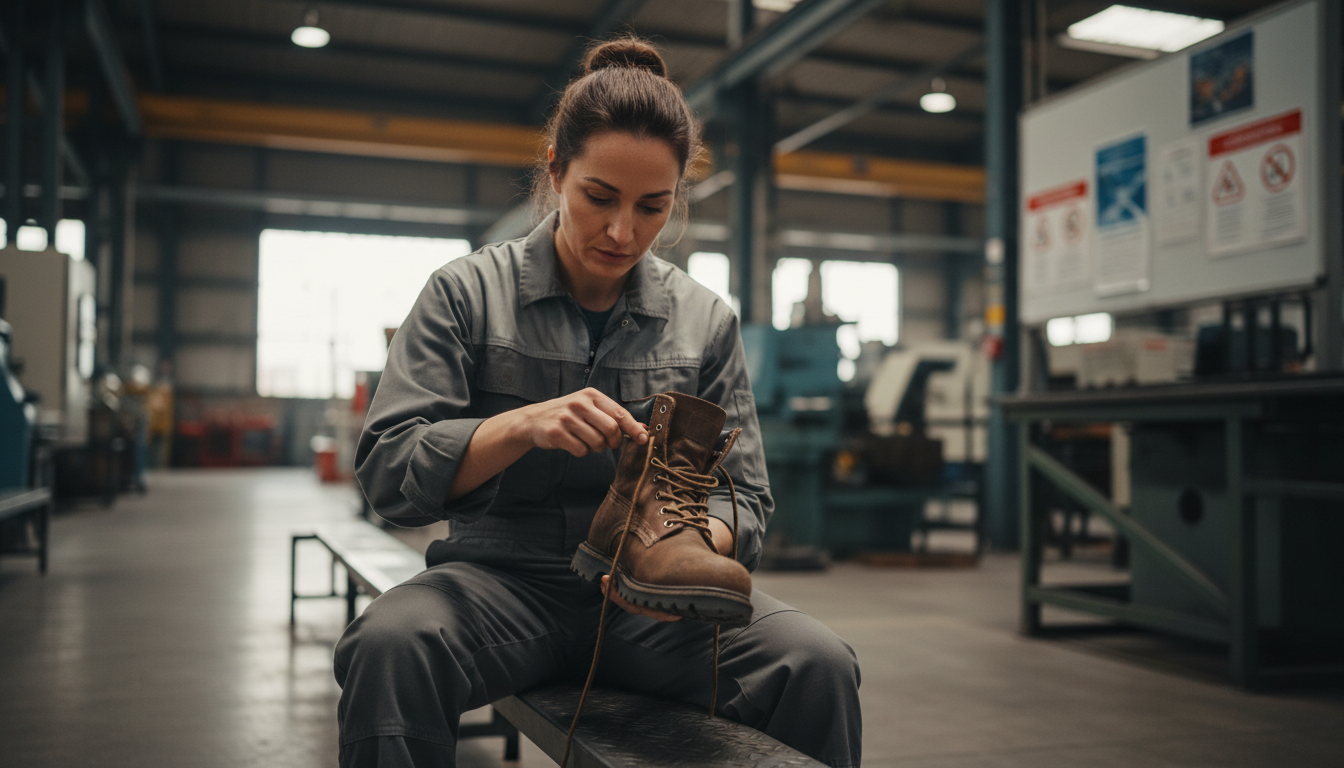
Your work boots are your first line of defense against workplace injuries, yet they’re often the most overlooked piece of safety equipment. While you might regularly check your hard hat or safety glasses, your boots endure constant stress from sharp objects, heavy loads, and hazardous materials. A single compromised component can transform your protective footwear into a liability, putting you at risk for puncture wounds, slips, electrical hazards, and musculoskeletal injuries.
Regular boot inspections aren’t just about extending the life of your footwear—they’re about protecting your livelihood. Studies show that foot and ankle injuries account for a significant percentage of workplace accidents, many of which could have been prevented through proper equipment maintenance. Whether you work in construction, warehousing, demolition, or any industrial environment, understanding how to inspect your boots for hidden safety risks is essential for staying safe on the job.
This comprehensive guide will walk you through the critical inspection points every worker should know, from examining puncture resistant insoles to checking structural integrity, so you can identify potential hazards before they lead to serious injuries.
Why Regular Work Boot Inspections Are Critical for Workplace Safety
Most workers replace their boots only when they become uncomfortable or visibly worn, but by that time, critical safety features may have already failed. Your boots face daily challenges that gradually compromise their protective capabilities. Sharp nails can penetrate weakened soles, worn treads increase slip risks, and degraded materials can expose you to chemical hazards or electrical conductivity.
The Occupational Safety and Health Administration (OSHA) requires employers to ensure that personal protective equipment, including safety footwear, is maintained in a sanitary and reliable condition. For workers in construction, demolition, and industrial settings, this means regular inspections should be as routine as clocking in. A systematic approach to boot maintenance helps you catch problems early, potentially saving you from painful injuries and costly medical bills.
Beyond compliance and safety, regular inspections provide economic benefits. Identifying minor issues early allows for repairs or targeted upgrades—such as replacing protective insoles or steel plate shoe inserts—rather than purchasing entirely new boots. This proactive approach extends the lifespan of quality footwear while maintaining optimal protection.
Inspecting the Outsole: Your First Defense Against Punctures and Slips
The outsole is where your boot meets the ground, making it the most vulnerable component to wear and damage. Begin your inspection by examining the tread pattern. Worn treads significantly reduce traction, increasing your risk of slips and falls on wet, oily, or uneven surfaces. If the tread depth has diminished to the point where patterns are barely visible, your boots have lost their grip effectiveness.
Next, check for puncture vulnerabilities. Look for embedded debris like nails, screws, metal shavings, or glass fragments that may have penetrated partway through the sole. Even if these objects haven’t reached your foot yet, they create weak points where future punctures are more likely. Run your hand carefully across the sole’s surface to feel for irregularities, cuts, or thin spots that might not be immediately visible.
Pay special attention to the heel and ball areas, which bear the most weight and pressure. Cracking, splitting, or separation between the outsole and midsole in these high-stress zones indicates structural failure. For workers in demolition or construction environments where sharp objects are common hazards, compromised outsoles mean it’s time to consider reinforcement with puncture proof insoles or complete boot replacement.
Examining the Midsole and Shank: Hidden Structural Components
The midsole and shank provide crucial structural support and protection, yet they’re often invisible to casual inspection. The shank—typically made of steel, composite materials, or fiberglass—runs through the arch area and provides stability while protecting against punctures from below. While you can’t see the shank directly, you can assess its integrity through functional testing.
Perform a flex test by holding the boot at both ends and trying to bend it. A properly functioning shank should provide significant resistance to bending, maintaining the boot’s structural integrity. If the boot flexes too easily or feels unusually soft in the arch area, the shank may be broken or compromised. This is particularly concerning for workers who regularly encounter sharp debris, as a failed shank leaves you vulnerable to puncture injuries.
The midsole, positioned between the outsole and insole, provides cushioning and additional protection. Check for compression by pressing firmly on various areas of the boot. If sections feel significantly softer than others or have permanently compressed flat, the midsole has degraded and no longer provides adequate protection or shock absorption. This wear pattern is common in construction boot insoles and surrounding materials after extended use on hard surfaces.
Assessing Internal Protection: Insoles and Puncture Resistance
The interior of your boot deserves as much attention as the exterior. Remove the insoles and inspect them separately. Look for signs of deterioration including:
- Compression or flattening that reduces cushioning effectiveness
- Cracks, tears, or holes that compromise protective barriers
- Moisture damage, mold, or persistent odors indicating bacterial growth
- Curling edges or loss of shape that causes discomfort or pressure points
- Worn areas that no longer provide arch support or heel cushioning
For workers in high-risk environments, standard insoles may not provide adequate protection against puncture hazards. This is where upgrading to specialized puncture proof shoe inserts becomes essential. These advanced insoles incorporate steel plate insoles or composite materials that create an impenetrable barrier against nails, sharp metal, glass, and other jobsite hazards.
If your current insoles show significant wear or your boots lack proper puncture protection, consider investing in quality steel shank insoles designed specifically for industrial work. These protective boot insoles not only guard against punctures but also provide superior arch support and comfort during long shifts. For workers in construction, warehousing, or demolition, heavy duty puncture resistant insoles offer an affordable way to significantly upgrade your boot’s protective capabilities without replacing the entire boot.
Checking the Upper Materials: Leather, Seams, and Protective Features
The upper portion of your work boot protects against impacts, abrasions, and environmental hazards. Inspect the leather or synthetic materials for cuts, gouges, or areas where the material has thinned significantly. Deep scratches or cuts compromise the boot’s ability to protect against sharp objects and may allow moisture, chemicals, or contaminants to penetrate.
Examine all seams and stitching carefully. Pull gently on seams to check for separation or loose threads. Failed stitching in critical areas can lead to rapid deterioration and complete boot failure. Pay particular attention to the connection between the upper and sole, as separation in this area renders the boot unsafe for continued use.
For boots with safety toes (steel, composite, or aluminum), tap the toe area and listen for unusual sounds that might indicate the protective cap has separated from the surrounding material. Check for dents or deformations in the toe box, which could indicate that the safety toe has been compromised by impact and may not provide adequate protection in future incidents.
Testing Waterproofing and Chemical Resistance
Many work environments require boots with waterproofing or chemical resistance properties. These protective features degrade over time, even without visible damage. Test waterproofing by applying water to various areas of the boot’s upper and observing whether it beads up and rolls off or soaks into the material.
If water absorption has increased, the waterproofing treatment has worn away. While you can sometimes restore waterproofing with specialized products, extensive water damage to internal components may have already occurred. For workers exposed to chemicals, check manufacturer guidelines regarding the expected lifespan of chemical-resistant properties, as these protections diminish with exposure even when the boot appears intact.
Inspect the tongue and collar areas for deterioration, as these zones often experience significant moisture exposure from sweat and environmental conditions. Cracking, stiffening, or breakdown of these materials can allow contaminants to enter the boot and create discomfort that affects your work performance and safety awareness.
Creating a Regular Inspection Schedule for Maximum Protection
Effective boot maintenance requires consistency. Establish a regular inspection routine based on your work environment and the intensity of boot use. For workers in high-hazard industries like demolition or construction, weekly inspections are recommended. Those in less intensive environments might inspect monthly, but never let more than a month pass without a thorough check.
Create a simple inspection checklist that covers all critical areas:
- Examine outsole for tread wear, punctures, and embedded debris
- Test structural integrity through flex and compression tests
- Inspect interior components including safety boot insoles and liners
- Check upper materials for cuts, abrasions, and seam integrity
- Assess protective features like safety toes and waterproofing
- Verify that laces, hardware, and closures function properly
- Document any issues and determine if repair, upgrade, or replacement is needed
Keep records of your inspections, noting dates and any issues identified. This documentation helps you track wear patterns and anticipate when replacement or upgrades will be necessary. Many workers find that replacing high-wear components like work boot insoles with premium industrial work insoles extends boot life significantly while maintaining optimal protection.
When to Repair, Upgrade, or Replace Your Work Boots
Not every issue requires complete boot replacement. Minor problems like worn laces, loose stitching in non-critical areas, or degraded insoles can often be addressed through repairs or upgrades. Replacing standard insoles with insoles for construction workers or insoles for warehouse workers specifically designed for your work environment can dramatically improve both safety and comfort.
Consider complete boot replacement when you encounter:
- Separation between the sole and upper that cannot be reliably repaired
- Compromised safety toes that have been impacted or deformed
- Extensive cracking, tearing, or material breakdown in the upper
- Failed structural components like broken shanks that cannot be replaced
- Multiple simultaneous issues that make repair cost-prohibitive
For boots in good overall condition but lacking adequate puncture protection, upgrading to quality steel plate shoe inserts or insoles for jobsite boots provides an excellent middle-ground solution. These specialized inserts offer professional-grade protection at a fraction of the cost of new boots while addressing one of the most common workplace injury risks.
Conclusion: Protecting Your Foundation for Workplace Safety
Your work boots are more than just footwear—they’re essential safety equipment that protects you from numerous workplace hazards every single day. Regular inspections help you identify hidden risks before they lead to painful injuries, costly medical treatments, or time away from work. By systematically examining your boots’ outsoles, structural components, internal protection, and upper materials, you take control of your safety rather than leaving it to chance.
The few minutes spent conducting thorough boot inspections pale in comparison to the consequences of boot failure on the job. Whether you work in construction, warehousing, demolition, or any industrial setting, making boot inspection a regular habit demonstrates professionalism and commitment to safety. Remember that even quality boots require maintenance, and components like insoles often need replacement long before the boot itself wears out.
Don’t wait for discomfort or visible damage to take action. Implement a regular inspection schedule today, address issues promptly, and consider upgrading to durable work insoles with enhanced puncture protection if your current setup doesn’t provide adequate defense against the hazards you face. Your feet carry you through every workday—give them the protection they deserve through diligent boot maintenance and quality work boot protection components. By staying proactive about boot safety, you ensure that your foundation remains solid, allowing you to focus on the job at hand with confidence and security.