
Essential Foot Care Tips for Manufacturing Employees: Supportive Work Insoles and Comfort Strategies
August 12, 2026
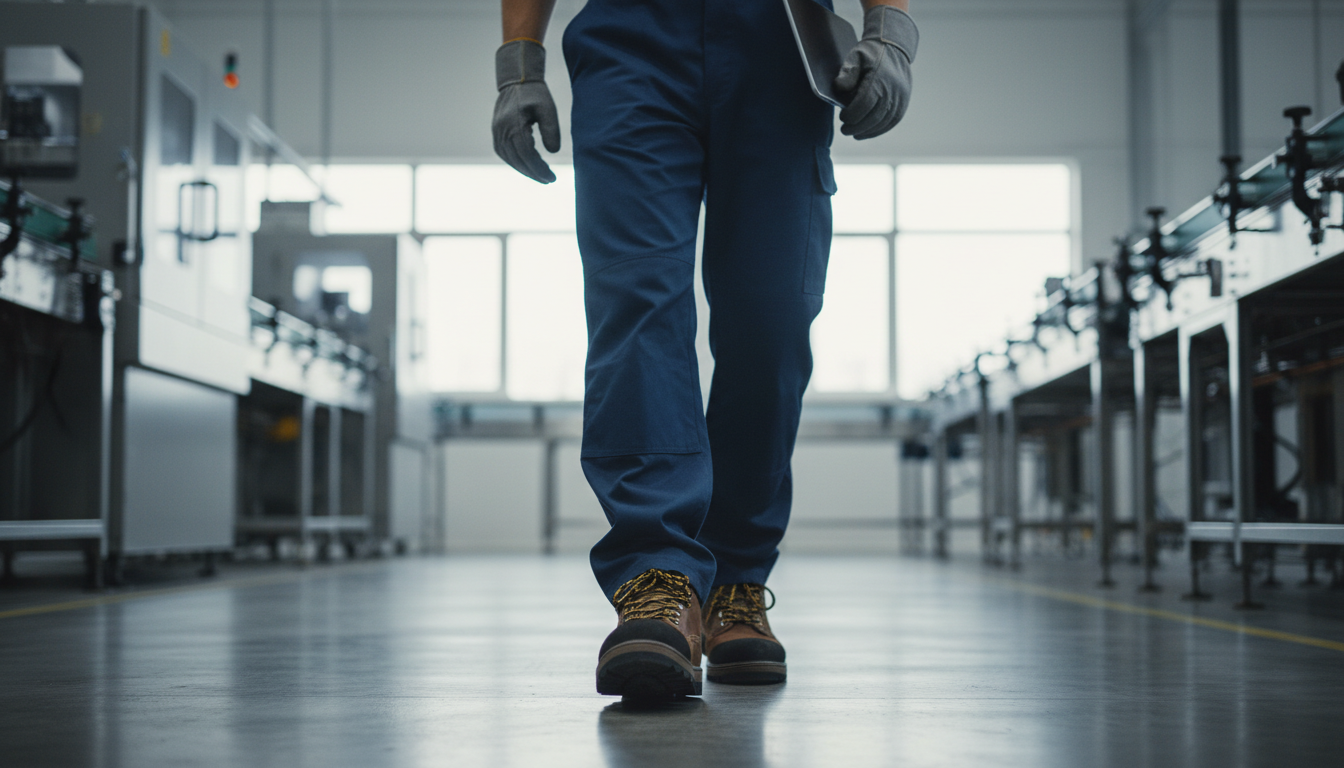
Manufacturing employees face unique challenges when it comes to foot health. Standing for extended periods on hard concrete floors, walking miles throughout warehouse facilities, and wearing safety footwear for long shifts can take a serious toll on your feet, legs, and overall wellbeing. If you work in a factory, warehouse, or manufacturing environment, understanding proper foot care isn’t just about comfort—it’s essential for your long-term health and job performance.
The reality is that foot pain doesn’t stay confined to your feet. Poor foot health can lead to knee problems, hip misalignment, lower back pain, and chronic fatigue that affects every aspect of your life. The good news is that with the right strategies, including investing in quality work boot insoles and following evidence-based foot care practices, you can significantly reduce discomfort and protect your body from the demanding conditions of manufacturing work.
This comprehensive guide provides practical, actionable advice specifically designed for manufacturing employees who spend their days on concrete floors and need reliable solutions for foot stress and fatigue.
Understanding the Impact of Manufacturing Work on Your Feet
Before diving into solutions, it’s important to understand exactly what your feet endure during a typical manufacturing shift. The average warehouse worker walks between 7 to 15 miles per day, while factory workers who remain in stationary positions face constant pressure on the same areas of their feet for 8 to 12 hours straight.
Concrete floors, which are standard in most manufacturing facilities, offer virtually no shock absorption. Every step sends impact forces directly through your feet, ankles, knees, and spine. Over time, this repetitive stress can lead to conditions like plantar fasciitis, metatarsalgia, heel spurs, and chronic inflammation.
Additionally, many manufacturing environments require safety footwear that, while protective, often lacks adequate cushioning and arch support. This combination of hard surfaces, long hours, and suboptimal footwear creates the perfect storm for foot problems. Recognizing these challenges is the first step toward addressing them effectively.
The Critical Role of Quality Work Boot Insoles
One of the most impactful changes you can make for your foot health is upgrading to high-quality insoles for standing all day. Standard insoles that come with work boots are typically minimal, offering little more than a thin layer between your foot and the boot’s interior. They’re designed for cost-efficiency, not comfort or support.
Premium work shoe insoles are engineered specifically to address the demands of industrial environments. They provide crucial benefits that can transform your workday experience:
- Arch support: Proper arch support helps distribute your body weight evenly across your feet, reducing pressure on specific pain points and preventing arch collapse during long shifts.
- Shock absorption: Quality cushioned work insoles absorb impact forces that would otherwise travel through your skeletal system, protecting your joints and reducing fatigue.
- Pressure distribution: Advanced insole designs spread pressure across the entire foot surface rather than concentrating it on the heel and ball of the foot.
- Moisture management: Good insoles for factory workers feature breathable materials that wick away sweat, preventing blisters and bacterial growth.
- Stability and alignment: Supportive work insoles help maintain proper foot positioning, which promotes better posture and reduces strain on your entire body.
For manufacturing employees seeking proven relief from foot fatigue and pain, explore these highly-rated work comfort insoles designed specifically for long shifts on concrete floors. These specialized inserts have helped thousands of warehouse workers, factory employees, and other professionals who spend their days standing and walking on hard surfaces.
Choosing the Right Insoles for Concrete Floors and Long Shifts
Not all comfortable work insoles are created equal, and selecting the right pair requires understanding your specific needs. Manufacturing employees should look for insoles that address the particular challenges of industrial environments.
When shopping for insoles for concrete floors, prioritize products with substantial cushioning in the heel and forefoot areas. These are the regions that absorb the most impact when walking on hard surfaces. Memory foam, gel, and EVA foam are all effective materials, with each offering different benefits in terms of responsiveness and durability.
Arch support is equally critical, but the level you need depends on your foot type. Those with flat feet require more structured support, while people with high arches benefit from cushioning that fills the arch gap. Many quality insoles for warehouse workers offer semi-custom or heat-moldable options that adapt to your unique foot shape.
Consider these essential features when evaluating everyday work insoles:
- Thickness and fit: Ensure the insoles fit properly in your work boots without making them too tight, which can restrict circulation and cause discomfort.
- Durability: Manufacturing work is demanding, so choose insoles made from materials that can withstand daily wear and maintain their supportive properties over time.
- Antimicrobial properties: Look for insoles with antimicrobial treatments to prevent odor and bacterial growth during long shifts.
- Heel cup depth: A deep heel cup provides stability and helps with proper alignment, reducing the risk of ankle rolling and improving balance.
- Flexibility: While support is important, work boot comfort inserts should also allow natural foot movement to prevent muscle weakening.
Daily Foot Care Practices for Manufacturing Workers
While investing in quality comfortable shoe inserts is foundational, comprehensive foot care requires a multi-faceted approach. Incorporating these daily practices into your routine can significantly enhance foot health and comfort.
Start each workday by inspecting your feet for any signs of irritation, blisters, or developing problems. Early detection allows you to address issues before they become serious. Apply foot powder or antiperspirant to reduce moisture, which helps prevent blisters and fungal infections that thrive in the warm, enclosed environment of work boots.
During your shifts, take advantage of breaks to give your feet relief. Even a few minutes of sitting down, elevating your feet, or doing simple stretches can reduce accumulated fatigue. Remove your boots if possible to allow air circulation and temporary pressure relief.
Proper sock selection is often overlooked but plays a vital role in foot comfort. Choose moisture-wicking socks made from synthetic blends or merino wool rather than cotton, which retains moisture. Compression socks can also benefit manufacturing employees by improving circulation and reducing swelling during insoles for long shifts.
Stretching and Strengthening Exercises for Industrial Workers
Maintaining foot flexibility and strength is essential for workers who spend hours on their feet. Simple exercises performed before work, during breaks, and after your shift can prevent many common foot problems and enhance the benefits of your supportive work insoles.
Calf stretches are particularly important for manufacturing employees. Tight calf muscles pull on the Achilles tendon and plantar fascia, contributing to heel pain and arch problems. Stand facing a wall with one foot forward and one back, keeping the back leg straight and heel down as you lean forward. Hold for 30 seconds and repeat on both sides.
Plantar fascia stretches directly target the tissue on the bottom of your foot. While seated, pull your toes back toward your shin until you feel a stretch along the arch. This exercise is especially beneficial first thing in the morning and after long periods of standing.
Toe strengthening exercises, such as picking up small objects with your toes or doing “towel scrunches” (gripping and pulling a towel with your toes), help build the intrinsic muscles of the foot. Strong foot muscles improve stability and reduce the workload on your ligaments and tendons.
Proper Footwear Selection and Boot Maintenance
Even the best insoles for nurses, warehouse workers, or factory employees can only do so much if your work boots themselves are inadequate. Selecting appropriate safety footwear is a crucial component of comprehensive foot care.
When choosing work boots, look beyond just the safety features. Ensure adequate toe box space—your toes should be able to wiggle freely without restriction. A cramped toe box can lead to bunions, hammertoes, and nerve compression issues. The boot should feel comfortable immediately; don’t expect a “break-in” period to solve fundamental fit problems.
Replace your work boots before they become completely worn out. The structural support degrades over time, even if the exterior still looks acceptable. Most safety boots should be replaced every 6 to 12 months depending on usage intensity and working conditions.
Proper boot maintenance extends their lifespan and maintains their protective and comfort features. Clean your boots regularly to remove debris and chemicals. Allow them to dry completely between shifts—using boot dryers or newspaper stuffing can help. Alternating between two pairs of boots gives each pair time to fully dry and decompress, which preserves their cushioning properties.
Recognizing When to Seek Professional Help
While preventive measures and quality insoles for daily work resolve most foot discomfort, some situations require professional medical evaluation. Manufacturing employees should be alert to warning signs that indicate more serious conditions developing.
Persistent pain that doesn’t improve with rest, insole upgrades, or over-the-counter treatments may indicate structural problems requiring professional intervention. Conditions like severe plantar fasciitis, stress fractures, or tendonitis often need medical treatment including physical therapy, custom orthotics, or other interventions.
Sudden, severe pain or pain accompanied by swelling, redness, warmth, or inability to bear weight should be evaluated promptly. These symptoms could indicate injuries or infections that require immediate attention. Similarly, numbness, tingling, or burning sensations may suggest nerve compression issues that shouldn’t be ignored.
A podiatrist specializing in sports medicine or occupational foot health can provide comprehensive evaluation and treatment options tailored to the demands of manufacturing work. Many workplace insurance plans cover such consultations, especially when foot problems are clearly work-related.
Conclusion: Taking Control of Your Foot Health
Foot health in manufacturing environments isn’t a luxury—it’s a necessity for maintaining your quality of life both on and off the job. The cumulative effects of standing on concrete floors, walking miles each shift, and wearing heavy safety boots can be significant, but they don’t have to be inevitable.
By implementing the strategies outlined in this guide—investing in quality work boot insoles, following daily foot care practices, performing regular stretches, choosing appropriate footwear, and recognizing when professional help is needed—you can dramatically reduce foot stress and prevent chronic problems from developing.
Remember that small changes compound over time. The discomfort you feel at the end of your shift today can become tomorrow’s chronic condition if left unaddressed. Conversely, the proactive steps you take now will pay dividends in sustained comfort, reduced pain, and better overall health throughout your manufacturing career.
Your feet carry you through thousands of steps each workday. They deserve the support, protection, and care that enable you to perform your job effectively while maintaining your long-term wellbeing. Don’t wait until pain becomes unbearable—start prioritizing your foot health today and experience the difference proper care can make in your daily life.