
How Frequent Stair Climbing Affects Your Feet and Ankles: Essential Guide for Workers
August 5, 2026
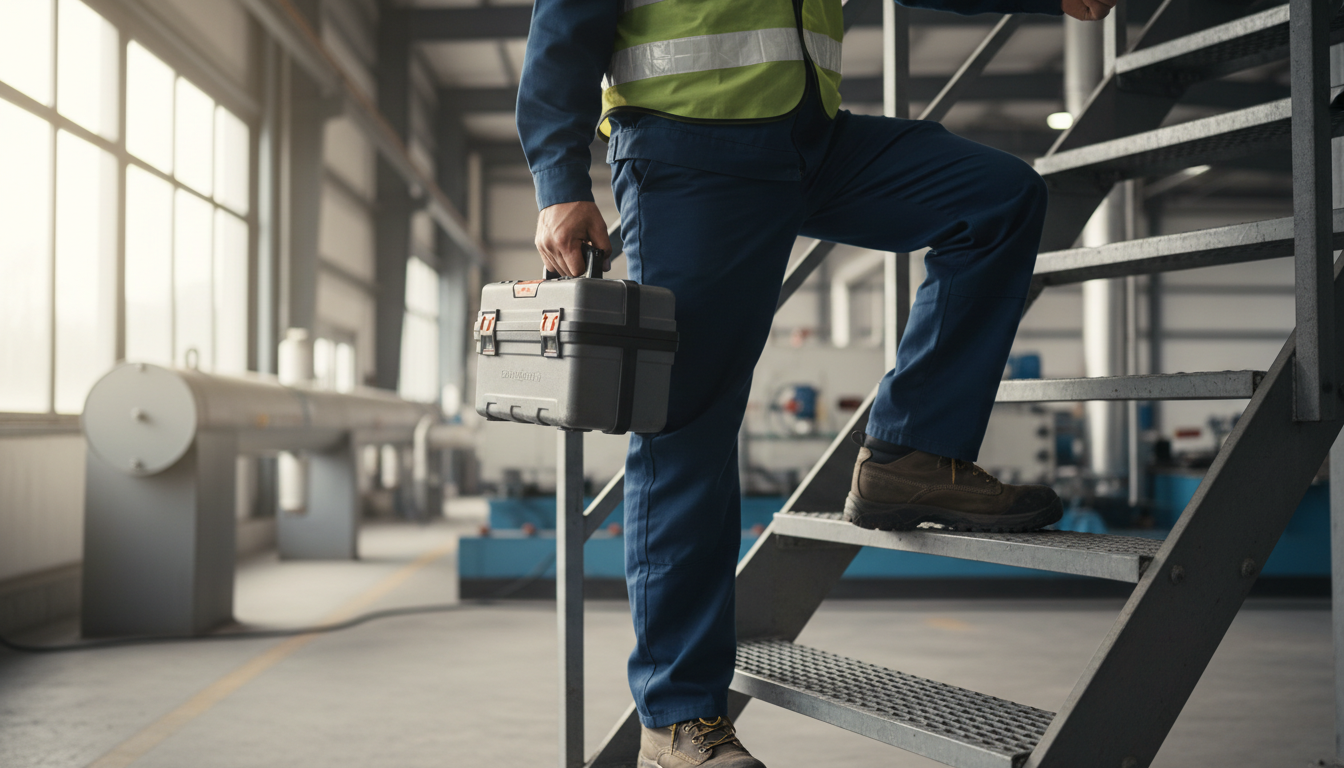
If your job requires you to climb stairs repeatedly throughout the day, you’re placing significant stress on your feet, ankles, and lower legs. Whether you’re a warehouse worker navigating multi-level facilities, a nurse rushing between hospital floors, or a construction professional ascending scaffolding, understanding how stair climbing impacts your body is crucial for long-term foot health. This comprehensive guide explores the biomechanics of stair climbing and provides practical solutions to protect your feet from chronic pain and injury.
Stair climbing is one of the most demanding activities your feet and ankles can endure during a workday. Unlike walking on flat surfaces, each step upward requires your ankle to flex through a greater range of motion while supporting significantly more body weight. This repetitive stress can lead to various foot conditions, from arch pain to ankle instability, especially when combined with standing all day on concrete floors or wearing inadequate footwear.
The Biomechanics of Stair Climbing and Foot Stress
When you climb stairs, your body mechanics change dramatically compared to level walking. Each upward step requires your lead foot to bear approximately 1.5 to 2 times your body weight as you push off. Your ankle joint must dorsiflex (bend upward) significantly more than during regular walking, placing intense pressure on your plantar fascia, Achilles tendon, and arch structures.
The repetitive nature of stair climbing throughout a workday means these forces compound over time. Your arches act as shock absorbers, but without proper arch support for work shoes, they can become strained and fatigued. The calf muscles work overtime to propel you upward, often leading to tightness that pulls on the Achilles tendon and creates additional stress at the heel attachment point.
Descending stairs presents its own challenges. The impact forces when stepping down can exceed twice your body weight, with your foot absorbing shock in a less stable position. This downward pressure particularly affects the forefoot and toes, while also challenging your ankle’s ability to maintain stability. For workers who climb and descend stairs dozens or even hundreds of times daily, these cumulative forces can lead to serious overuse injuries.
Common Foot and Ankle Problems from Frequent Stair Climbing
Workers who regularly climb stairs often develop predictable patterns of foot and ankle discomfort. Recognizing these issues early allows you to take preventive action before minor aches become chronic conditions requiring medical intervention.
Plantar fasciitis tops the list of stair-related foot problems. The plantar fascia, a thick band of tissue running along the bottom of your foot, experiences repeated stretching during the ankle flexion required for stair climbing. Without adequate support from work boot insoles, this tissue develops microscopic tears that cause the characteristic heel pain, especially noticeable during your first steps in the morning.
- Achilles tendinitis from repetitive calf muscle engagement and heel cord stress
- Posterior tibial tendon dysfunction affecting the arch support mechanism
- Ankle instability and chronic sprains from repetitive stress on ligaments
- Metatarsalgia or forefoot pain from excessive pressure on the ball of the foot
- Heel fat pad atrophy from constant impact absorption
- Peroneal tendinitis affecting the outside of the ankle
Many warehouse workers and nurses also experience what’s commonly called “stair climber’s ankle”—a combination of anterior ankle impingement and flexor tendon irritation. This condition develops when the ankle repeatedly bends to its maximum range, pinching soft tissues at the front of the joint. The pain typically worsens throughout the day and can significantly impact your ability to perform job duties.
How Medium Arch Support Prevents Stair-Related Foot Fatigue
The arch of your foot functions as a critical shock-absorbing spring during stair climbing. When you push off to climb upward, your arch must remain stable enough to provide a rigid lever for propulsion, yet flexible enough to absorb impact forces. This delicate balance requires proper support, especially for workers spending hours navigating stairs.
Medium arch support insoles provide the ideal balance for most workers who climb stairs frequently. Unlike high-arch insoles that can feel restrictive during the dynamic movements of stair climbing, medium support allows natural foot motion while preventing excessive arch collapse. This support becomes particularly important during the push-off phase of stair climbing, when your arch experiences maximum load.
Quality orthotic insoles for work redistribute pressure away from vulnerable areas like the heel and ball of the foot. By supporting the arch properly, these insoles maintain proper foot alignment throughout the entire stair-climbing motion. This alignment reduces strain on the plantar fascia, minimizes excessive pronation that can lead to ankle instability, and helps your foot function as an efficient lever during each step.
Essential Features of Insoles for Stair-Climbing Workers
Not all insoles are created equal when it comes to protecting your feet during frequent stair climbing. The unique demands of ascending and descending stairs require specific features that address the biomechanical challenges discussed earlier.
- Deep heel cup design: A contoured heel cup that’s at least 15mm deep cradles your heel, maintaining proper alignment and preventing the side-to-side motion that can lead to ankle sprains during stair navigation.
- Structured arch support: Semi-rigid arch support that maintains foot structure without restricting natural motion provides the foundation for efficient stair climbing.
- Shock-absorbing materials: Multiple layers of cushioning materials absorb the repetitive impact forces experienced during stair descent, protecting your heel fat pad and joints.
- Forefoot cushioning: Enhanced padding under the ball of the foot addresses the increased pressure experienced during the push-off phase of stair climbing.
- Heel lift design: A slight elevation at the heel reduces strain on the Achilles tendon and calf muscles, which work intensively during stair climbing.
- Moisture-wicking top layer: For workers climbing stairs throughout the day, breathable materials prevent moisture buildup that can cause blisters and discomfort.
For professionals seeking comprehensive foot protection during stair-intensive work, comfortable work boot insoles with these features make a significant difference in daily comfort and long-term foot health. If you’re ready to invest in proper foot support, explore these premium orthotic insoles designed specifically for demanding work environments where stair climbing and prolonged standing are daily realities.
Choosing the Right Insoles for Your Work Environment
Different work environments present unique challenges when combined with frequent stair climbing. Understanding your specific situation helps you select the most appropriate insoles for work shoes that address both stair-related stress and other occupational demands.
Warehouse workers typically face a combination of stair climbing, walking on concrete, and occasional heavy lifting. This environment demands insoles for concrete floors with maximum shock absorption and durability. Look for thicker cushioning layers and reinforced arch support that can withstand both the impact of hard surfaces and the dynamic movements of stair navigation. The best insoles for warehouse workers feature industrial-grade materials that maintain their supportive properties despite daily wear.
Healthcare professionals, particularly nurses, need insoles that excel at both stair climbing and prolonged standing during patient care. The best insoles for nurses combine responsive cushioning with antimicrobial properties, since healthcare workers often face 12-hour shifts in demanding conditions. Priority features include lightweight construction that won’t add fatigue, slim profiles that fit in professional footwear, and insoles with heel support that remain comfortable during both stair climbing and stationary tasks.
Construction and maintenance workers who navigate stairs while carrying tools or equipment require supportive work insoles with enhanced stability features. These workers benefit from firmer arch support and reinforced heel counters that maintain foot position even when carrying additional weight up and down stairs.
Complementary Strategies to Protect Your Feet During Stair Climbing
While quality everyday orthotic insoles form the foundation of foot protection, combining them with other preventive strategies maximizes your comfort and reduces injury risk during stair-intensive work.
Proper footwear selection works hand-in-hand with insole support. Choose work shoes or boots with adequate ankle support, firm heel counters, and sufficient room in the toe box to accommodate quality insoles. The shoe’s midsole should be firm enough to work synergistically with your insoles rather than collapsing under your weight. For insoles for walking all day and climbing stairs, ensure your footwear has been recently evaluated—worn-out shoes compromise even the best insoles.
Implement a stretching routine focused on your calves, Achilles tendons, and plantar fascia. Before starting your shift, spend five minutes performing calf stretches against a wall and rolling your foot over a tennis ball. These simple exercises prepare your tissues for the demands of stair climbing and improve flexibility that reduces strain. Mid-shift stretching breaks provide additional benefit, especially if you can briefly remove your work boots to massage your arches.
Pay attention to your stair-climbing technique. When ascending, place your entire foot on each step rather than just your forefoot—this distributes forces more evenly and reduces calf strain. When descending, control your pace to minimize impact forces. If your workplace permits, using handrails reduces the load on your feet and ankles by distributing some body weight through your arms.
Recognizing When to Seek Professional Help
Even with the best insoles for standing all day and proper preventive care, some workers develop foot or ankle problems that require professional intervention. Recognizing warning signs early prevents minor issues from becoming chronic conditions that could impact your career.
Seek evaluation from a podiatrist or orthopedic specialist if you experience persistent pain that doesn’t improve with rest, particularly heel pain that’s worst with your first steps in the morning or sharp pain along the inside of your ankle. Swelling that doesn’t resolve overnight, numbness or tingling in your feet, or visible changes to your arch height all warrant professional assessment.
Similarly, if you’ve already invested in quality insoles for foot fatigue and implemented proper stretching routines but still experience significant discomfort during or after work, professional gait analysis can identify biomechanical issues requiring custom orthotics or physical therapy. Early intervention typically yields better outcomes than waiting until symptoms become severe.
Conclusion: Protecting Your Feet for Long-Term Career Success
Frequent stair climbing places extraordinary demands on your feet and ankles, but understanding these biomechanical stresses empowers you to take protective action. The cumulative forces experienced during thousands of steps up and down stairs throughout your career can lead to serious conditions like plantar fasciitis, Achilles tendinitis, and chronic ankle instability—but these outcomes aren’t inevitable.
Investing in proper foot support represents one of the most important decisions you can make for your occupational health. Quality insoles specifically designed for the demands of stair climbing and prolonged standing provide the foundation for comfortable, pain-free workdays. Combined with appropriate footwear, regular stretching, and proper climbing technique, supportive insoles protect your feet from the repetitive stress that affects so many workers in stair-intensive occupations.
Whether you’re a warehouse professional navigating multi-level facilities, a nurse rushing between hospital floors, or any worker who climbs stairs throughout the day, prioritizing foot health today prevents chronic problems tomorrow. Your feet carry you through every shift, every stair, and every challenge your job presents—they deserve the comprehensive support that allows you to perform your best while protecting your long-term mobility and comfort.