
Why Walking Barefoot at Home Isn’t Always the Best Choice: When You Need Memory Foam Insoles for Comfort
August 1, 2026
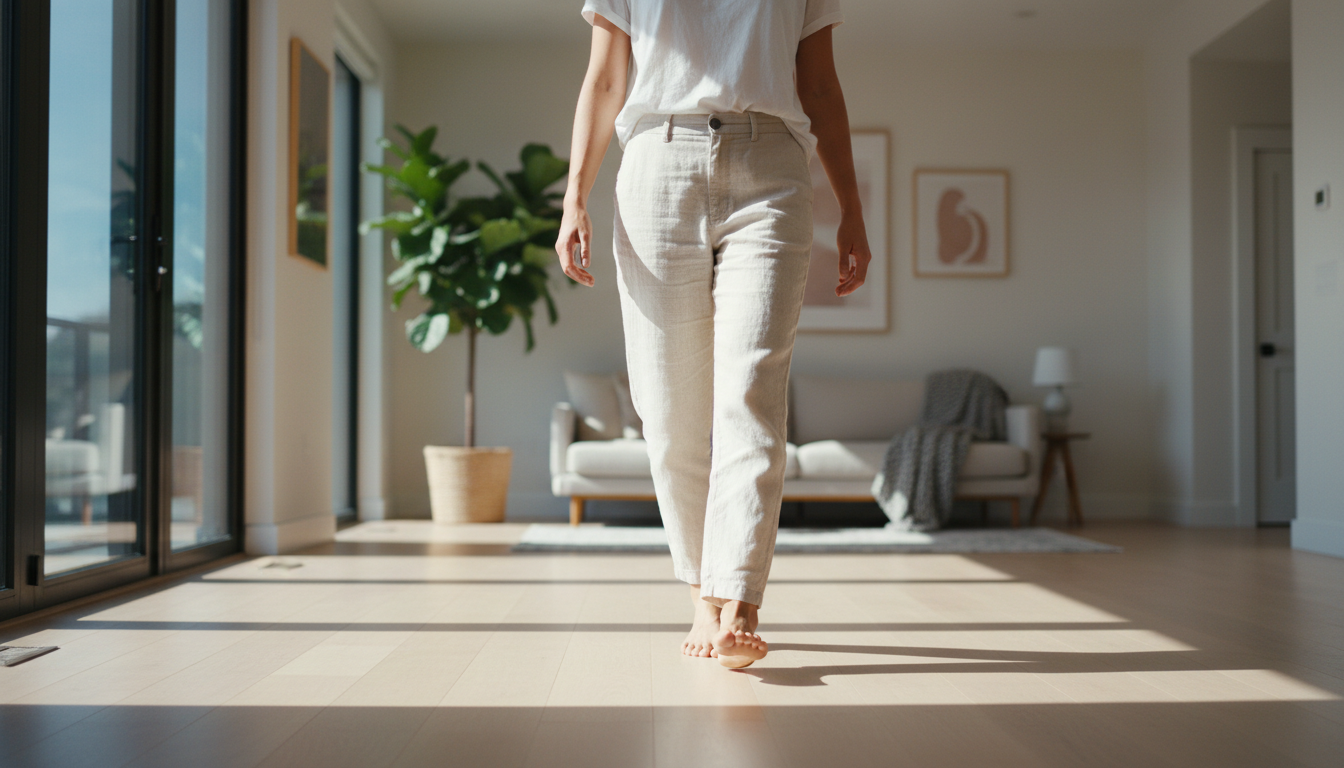
Walking barefoot at home has become increasingly popular, with many people believing it’s the most natural and healthy way to move around their living spaces. While there are certainly benefits to going barefoot occasionally, this practice isn’t ideal for everyone—especially if you spend significant time standing or walking on hard surfaces throughout your day. Understanding when barefoot walking helps and when additional cushioning becomes essential can make a substantial difference in your overall comfort and foot health.
The truth is that our modern homes, with their hardwood, tile, and concrete floors, aren’t exactly the soft, natural surfaces our ancestors walked on. This disconnect between our evolutionary design and contemporary living environments means that memory foam insoles and proper foot support have become more important than ever for maintaining comfort during everyday activities at home.
The Benefits of Barefoot Walking: When It Makes Sense
Before discussing why barefoot walking isn’t always optimal, it’s important to acknowledge the legitimate benefits. Walking barefoot can strengthen the small muscles in your feet and ankles, improve balance and proprioception, and allow your feet to move more naturally. For short periods on soft surfaces like carpet or grass, going barefoot can be perfectly healthy.
However, these benefits diminish significantly when you’re spending hours on hard flooring or when you have existing foot conditions. The key is recognizing when barefoot walking transitions from beneficial to potentially harmful, and understanding what alternatives like comfortable insoles can offer during those times.
The Hidden Risks of Prolonged Barefoot Walking at Home
Many people don’t realize that walking barefoot on hard surfaces for extended periods can lead to several foot problems. Without adequate cushioning, the repetitive impact of each step sends shock waves through your feet, ankles, knees, and even your lower back. This is particularly problematic for individuals who cook, clean, or work from home standing at a desk.
Common issues that can develop from excessive barefoot walking include:
- Plantar fasciitis, characterized by heel pain and stiffness
- Heel spurs caused by calcium deposits from repeated stress
- Metatarsalgia, or pain in the ball of the foot
- Achilles tendinitis from lack of proper heel support
- General foot fatigue that affects your entire body’s alignment
- Aggravation of existing conditions like flat feet or high arches
These conditions develop gradually, which is why many people don’t connect their foot pain to their barefoot habits at home. By the time symptoms become noticeable, the damage has already begun. This is where insoles for standing and proper indoor footwear become crucial preventive measures.
Who Should Avoid Walking Barefoot at Home
Certain individuals are at higher risk for developing foot problems from barefoot walking and should consider using soft insoles in their indoor footwear. If you fall into any of these categories, additional cushioning isn’t just a luxury—it’s a necessity for maintaining foot health.
- People with plantar fasciitis or heel pain: These conditions require consistent arch support and cushioning to heal properly. Going barefoot can worsen symptoms and prolong recovery time significantly.
- Individuals with diabetes: Diabetes can cause neuropathy, reducing sensation in the feet. Protective footwear with cushioned insoles helps prevent injuries that might go unnoticed.
- Those with flat feet or high arches: These structural variations require specific support that barefoot walking cannot provide, making insoles for everyday shoes essential for comfort.
- Anyone who stands or walks for long periods at home: Whether you’re cooking, cleaning, or working, prolonged standing demands proper cushioning to reduce fatigue and prevent injury.
- Older adults: As we age, the natural fat pads in our feet thin out, reducing our body’s built-in cushioning. Memory foam shoe inserts can compensate for this loss.
- People recovering from foot or leg injuries: Proper support during recovery is critical, and barefoot walking can compromise healing and rehabilitation efforts.
The Solution: Strategic Use of Memory Foam Insoles and Supportive Footwear
The solution isn’t necessarily to wear rigid, restrictive shoes all day at home. Instead, finding the right balance between freedom and support is key. Investing in comfortable house shoes or slippers equipped with foam shoe inserts can provide the cushioning you need while still allowing natural foot movement.
Quality memory foam shoe inserts offer several advantages that make them ideal for home use. They conform to your unique foot shape, distributing pressure evenly across the entire foot surface. This customized support reduces stress on specific pressure points while providing the shock absorption your feet need on hard flooring.
When selecting insoles for walking around your home, look for options that offer adequate arch support, heel cushioning, and breathable materials. The best everyday insoles should be thin enough to fit comfortably in various types of footwear while still providing substantial cushioning and support.
Features to Look for in Quality Comfort Shoe Inserts
Not all insoles are created equal, and choosing the right soft shoe inserts requires understanding what features contribute to all-day comfort. Whether you’re looking for insoles for everyday shoes or specialized options for specific conditions, these characteristics are essential.
First, consider the material. Memory foam is an excellent choice because it responds to body heat and pressure, molding to your foot’s contours for personalized support. Look for lightweight insoles that won’t add unnecessary bulk to your footwear but still provide substantial cushioning where you need it most.
Arch support is another critical feature. Proper arch support helps maintain your foot’s natural alignment, reducing strain on ligaments and muscles. Even if you don’t have diagnosed arch issues, preventive support from shoe inserts for comfort can help you avoid developing problems in the future.
Moisture-wicking properties are also important, especially if you’ll be wearing your insoles for extended periods. Breathable materials help keep your feet dry and comfortable, preventing odor and bacterial growth that can occur in warm, moist environments.
Making the Transition: How to Start Using Comfortable Insoles at Home
If you’ve been walking barefoot at home for years, transitioning to supportive footwear with all day comfort insoles should be gradual. Start by wearing your cushioned indoor shoes for a few hours each day, particularly during activities that involve prolonged standing or walking. Gradually increase the duration as your feet adjust to the additional support.
Choose indoor footwear specifically designed for home use—options like supportive slippers or house shoes that can accommodate cushioned insoles work perfectly. Make sure they fit properly, with enough room in the toe box and secure support around the heel. For optimal results, consider exploring high-quality memory foam insoles designed for all-day comfort at this comprehensive collection of comfortable memory foam shoe inserts that provide the perfect balance of support and cushioning for home use.
Pay attention to how your feet feel throughout this transition period. You should notice reduced fatigue, less pain at the end of the day, and improved overall comfort. If you experience any discomfort, reassess your insole choice or footwear fit to ensure you’re getting the right support for your specific needs.
Creating a Balanced Approach to Foot Health at Home
The goal isn’t to eliminate barefoot walking entirely but to use it strategically. Consider going barefoot when you’re relaxing on soft surfaces like your bed or sofa, or for brief periods on carpet. However, when you’re active—cooking meals, doing household chores, or working at a standing desk—wearing supportive footwear with comfortable insoles protects your feet from cumulative stress.
This balanced approach gives you the benefits of occasional barefoot time while protecting your feet during activities that place them at risk. Think of it as preventive care—investing in proper support now can help you avoid painful conditions that might require extensive treatment later.
Additionally, complement your use of soft insoles with regular foot stretches and exercises. Simple activities like toe spreads, calf stretches, and rolling a tennis ball under your arch can improve flexibility and strength, working synergistically with the support provided by your insoles.
Conclusion: Your Feet Deserve Better Than Hard Floors
While the idea of walking barefoot at home seems natural and appealing, the reality of modern flooring and our daily activities often requires additional support for optimal foot health. Understanding when barefoot walking serves you well and when you need the cushioning of memory foam insoles is essential for preventing pain and maintaining comfort throughout your day.
The key takeaway is that foot care shouldn’t be an all-or-nothing proposition. By strategically using insoles for walking and standing during active periods at home, you protect your feet from unnecessary stress while still enjoying the freedom of comfortable indoor footwear. Whether you’re dealing with existing foot conditions or simply want to prevent future problems, investing in quality shoe inserts for comfort is one of the simplest and most effective steps you can take.
Your feet carry you through every day, supporting your entire body’s weight with each step. They deserve the cushioning and support that all day comfort insoles can provide, especially on the unforgiving hard surfaces found in most modern homes. Make the choice today to prioritize your foot health—your body will thank you for years to come.