
How Different Workplace Floors Affect Your Feet: The Complete Guide to Comfort and Support
July 26, 2026
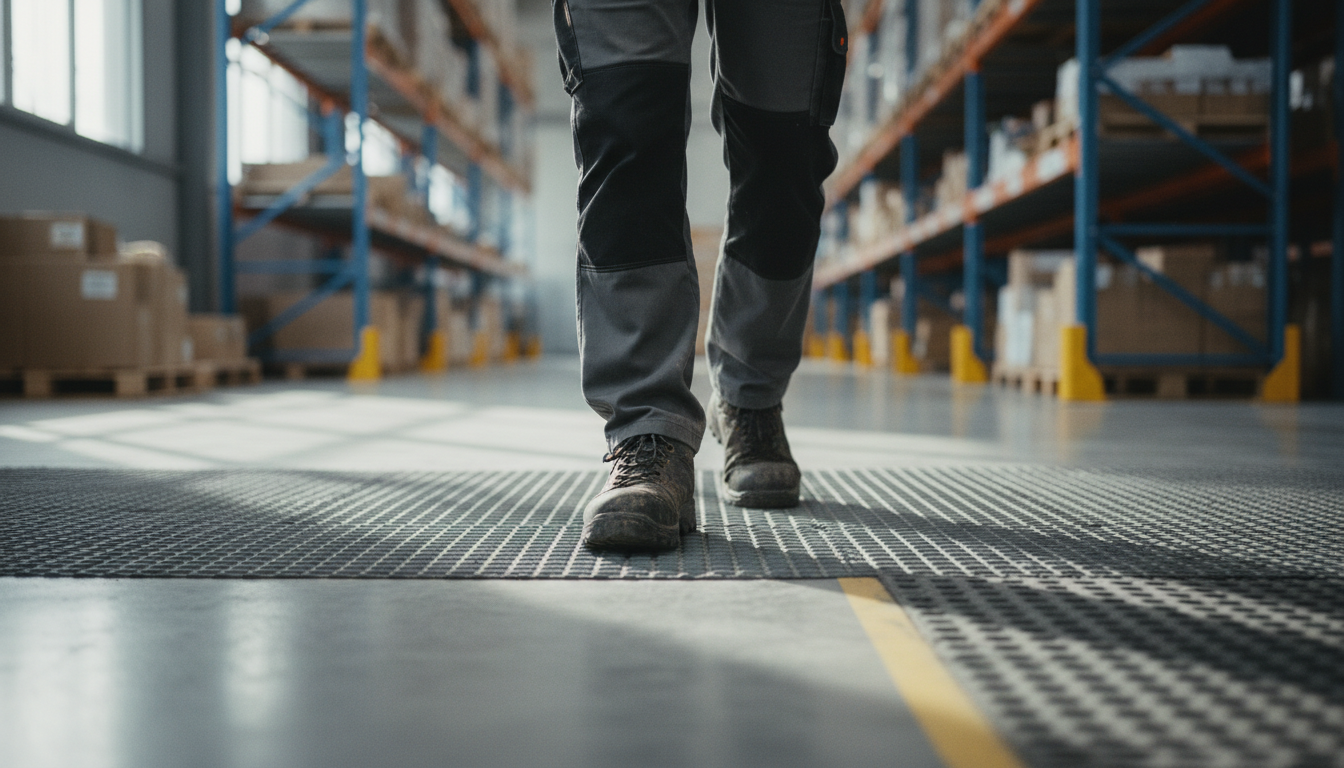
If you’ve ever finished a long shift with aching feet, swollen ankles, or throbbing pain in your heels, you’re not alone. Millions of workers across various industries experience foot fatigue and discomfort daily, and one of the most overlooked culprits is the flooring beneath their feet. The type of surface you stand on for hours each day has a profound impact on your comfort, health, and overall well-being.
Understanding how different workplace floors affect your feet is essential for anyone who spends long hours standing or walking at work. Whether you’re a nurse navigating hospital corridors, a warehouse worker managing inventory, or a factory employee operating machinery, the ground beneath you plays a critical role in how your body feels at the end of the day. In this comprehensive guide, we’ll explore the long-term impact of concrete, tile, steel, wood, and rubber flooring on foot comfort and fatigue, and provide practical solutions to protect your feet.
The Science Behind Flooring and Foot Fatigue
When you stand or walk on hard surfaces for extended periods, your feet absorb significant impact with every step. The human foot contains 26 bones, 33 joints, and more than 100 muscles, tendons, and ligaments—all working together to support your entire body weight. On unforgiving surfaces, this natural shock absorption system becomes overwhelmed, leading to fatigue, pain, and potential long-term damage.
Hard flooring offers minimal cushioning or energy return, forcing your feet, ankles, knees, and lower back to compensate for the lack of surface compliance. This constant strain can result in conditions such as plantar fasciitis, metatarsalgia, heel spurs, and chronic lower back pain. The severity of these issues often depends on the specific flooring material in your workplace.
Research has consistently shown that workers standing on hard surfaces experience higher rates of musculoskeletal disorders compared to those on more forgiving floors. Understanding these differences empowers you to take proactive measures to protect your foot health, including choosing the right work boot insoles or comfortable work insoles designed for your specific environment.
Concrete Floors: The Toughest Challenge for Your Feet
Concrete is perhaps the most common and most punishing flooring material found in workplaces. Warehouses, factories, retail stores, and countless other facilities rely on concrete for its durability and low maintenance. However, what makes concrete ideal for buildings makes it terrible for feet.
Standing on concrete floors for extended periods creates several problems. The completely rigid surface provides zero shock absorption, meaning every step sends the full impact force directly through your feet and up into your legs and spine. Workers on concrete commonly report foot pain, leg fatigue, and lower back discomfort, especially those without proper footwear or insoles for concrete floors.
Long-term exposure to concrete flooring can lead to serious health consequences:
- Chronic plantar fasciitis from constant heel strike impact
- Metatarsal pain and stress fractures in the ball of the foot
- Accelerated joint deterioration in ankles, knees, and hips
- Varicose veins from reduced circulation due to muscle fatigue
- Persistent lower back pain from postural compensation
If you work on concrete, investing in high-quality insoles for standing all day is not a luxury—it’s a necessity. The right insoles can provide the cushioning and support that concrete simply cannot offer.
Tile Flooring: Hard and Slippery
Tile floors are prevalent in healthcare facilities, commercial kitchens, laboratories, and food processing plants. While tile offers easy cleaning and sanitation benefits, it shares many of concrete’s negative characteristics when it comes to foot comfort.
Ceramic and porcelain tiles are extremely hard, providing minimal give or cushioning. Insoles for nurses are particularly important, as healthcare workers spend 12-hour shifts or longer navigating tile hospital corridors. The rigid surface combined with the constant walking creates a perfect storm for foot fatigue and injury.
Additionally, tile can become slippery when wet, adding a safety dimension to the comfort issue. Workers must remain constantly vigilant about their footing, which creates mental fatigue alongside physical strain. The glossy finish on many tiles also creates glare, potentially contributing to eye strain and headaches during long shifts.
Steel and Metal Flooring: Industrial Strength, Maximum Impact
Steel platforms, metal grating, and perforated metal floors are common in industrial settings, manufacturing plants, oil refineries, and transportation facilities. These surfaces present unique challenges that go beyond simple hardness.
Metal flooring conducts temperature extremes, meaning your feet can become uncomfortably cold in winter or hot in summer. The rigid nature of steel makes it even less forgiving than concrete, offering absolutely no cushioning properties. Workers on steel surfaces frequently experience rapid onset of foot fatigue, often within the first few hours of a shift.
The textured or perforated nature of many metal floors can also create pressure points on the soles of your feet, leading to localized pain and discomfort. Insoles for factory workers need to address both the hardness of the surface and these uneven pressure distributions. Quality cushioned work insoles with appropriate thickness can help buffer your feet from the unforgiving metal beneath.
Wood Flooring: A Moderate Middle Ground
Wooden floors offer a slightly more forgiving surface than concrete, tile, or steel, though they still present challenges for workers standing for long periods. Found in restaurants, retail shops, offices, and some light industrial settings, wood provides modest shock absorption due to its organic composition and slight flexibility.
The key advantage of wood is its ability to provide minimal energy return, which means it absorbs a small fraction of the impact from walking and standing. However, this benefit is relatively minor, and workers on wood floors still experience significant fatigue compared to cushioned surfaces.
The condition of wooden floors matters tremendously. Well-maintained wood with proper subflooring offers better comfort than worn, thin wood laid directly over concrete. Regardless of condition, work shoe insoles remain important for anyone spending full shifts on wood flooring.
Rubber and Cushioned Flooring: The Gold Standard for Comfort
Rubber flooring, foam mats, and other cushioned surfaces represent the most foot-friendly option for workplaces. These materials compress slightly under weight, absorbing shock and reducing the impact on your feet, joints, and spine. Facilities that prioritize worker comfort and health often install rubber flooring in areas where employees stand for extended periods.
The benefits of rubber and cushioned flooring include:
- Shock absorption that significantly reduces impact forces on feet and joints
- Improved circulation from subtle muscle engagement needed to balance on the softer surface
- Reduced fatigue allowing workers to maintain productivity throughout their shifts
- Lower injury rates including fewer slips, falls, and musculoskeletal disorders
- Temperature insulation keeping feet comfortable in various environmental conditions
While rubber flooring isn’t feasible in all work environments due to cleaning requirements, chemical exposure, or heavy equipment needs, anti-fatigue mats can provide similar benefits in stationary work positions. However, for workers who move throughout their workspace, the flooring itself determines their comfort level.
Protecting Your Feet Regardless of Floor Type
Since most workers cannot change their workplace flooring, the solution lies in proper footwear and, most importantly, high-quality insoles. The right supportive work insoles can transform even the hardest concrete floor into a more manageable surface for your feet.
When selecting insoles for long shifts, consider these essential features:
- Arch support to maintain proper foot alignment and reduce strain
- Heel cushioning to absorb impact from the hardest-hitting part of your stride
- Metatarsal padding to protect the ball of your foot from pressure
- Moisture-wicking materials to keep feet dry and prevent blisters
- Appropriate thickness to provide cushioning without compromising shoe fit
Quality everyday work insoles designed specifically for standing professions make a measurable difference in comfort and health. If you’re a warehouse worker, nurse, factory employee, or anyone else who spends hours on hard surfaces, specialized insoles aren’t optional—they’re essential equipment for protecting your long-term health.
To experience the difference that professional-grade insoles can make in your daily comfort, explore these highly-rated work comfort insoles designed specifically for workers facing the toughest flooring conditions. With advanced cushioning technology and ergonomic support, the right insoles transform your work boots or shoes into a protective barrier between your feet and punishing floors.
Additional Steps for Foot Health at Work
Beyond investing in comfortable shoe inserts or work boot comfort inserts, consider these additional strategies to protect your feet:
Take regular breaks to sit down and elevate your feet when possible, even for just a few minutes. This reduces swelling and improves circulation. Perform simple stretching exercises for your feet, calves, and ankles throughout the day to prevent stiffness and maintain flexibility. Stay properly hydrated, as dehydration can exacerbate muscle fatigue and cramping.
Wear compression socks if appropriate for your work environment, as they promote healthy circulation during long periods of standing. Rotate between two pairs of work shoes to allow each pair to fully dry and decompress between uses, which extends both shoe and insole life while maintaining optimal support.
Pay attention to your body’s signals. Persistent foot pain isn’t something to ignore or “push through.” Early intervention with proper footwear, quality insoles, and medical consultation when necessary prevents minor discomfort from becoming chronic conditions that could impact your career and quality of life.
Conclusion: Your Feet Deserve Better
The flooring you work on every day significantly impacts your foot health, comfort, and overall well-being. From unforgiving concrete and tile to slightly more forgiving wood and ideally cushioned rubber, each surface presents unique challenges for workers who stand for extended periods. Understanding these differences empowers you to make informed decisions about protecting your feet.
While you may not control what flooring your employer installs, you absolutely control what you put inside your work boots or shoes. High-quality insoles for warehouse workers, nurses, factory employees, and all professionals on their feet represent one of the most cost-effective health investments you can make. The right insoles reduce fatigue, prevent injury, and allow you to finish your shift feeling significantly better than you would otherwise.
Don’t wait until foot pain becomes unbearable or chronic conditions develop. Take proactive steps today to protect your feet from the cumulative damage of hard workplace flooring. Your feet carry you through every workday—they deserve the support, cushioning, and care that quality insoles provide. Invest in your comfort, invest in your health, and experience the remarkable difference that proper foot support makes in your daily life.